
Your bed was cranking last run.
Now it’s running tired.
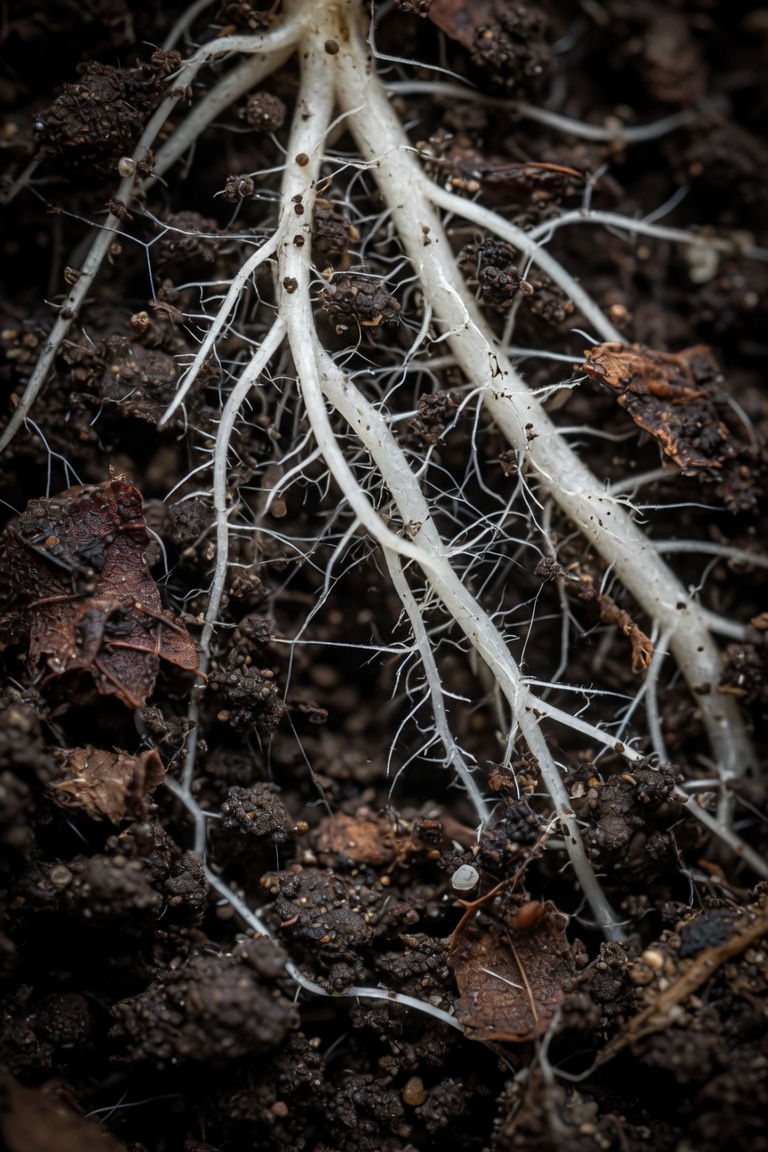
A living soil bed is only as good as the life in it. Feed the biology and it feeds the plant. Bloom is built from the same kelp, fish, humic and sea mineral inputs you’d reach for anyway, just bottled the same way every time.
 Pale plants, a bed gone quiet
Why a good bed goes flat.
Soil life needs carbon to keep cycling nutrients. A bed that’s been cropped hard without topping up slows right down.
Each harvest leaves with trace elements in it. Unless something puts them back, the bed gets thinner run after run.
Compost teas and ferments are great, but no two batches are the same. Some weeks the bed gets a feast, some weeks not much.
What the bed needs, and why.
Keep your program. These go in the water you already give, once a week, and only the ones you need.

Get roots and biology moving.
A fresh transplant has to push roots out into the bed before it can feed itself. Kelp and fish give the roots and the microbes around them something to work with straight away.
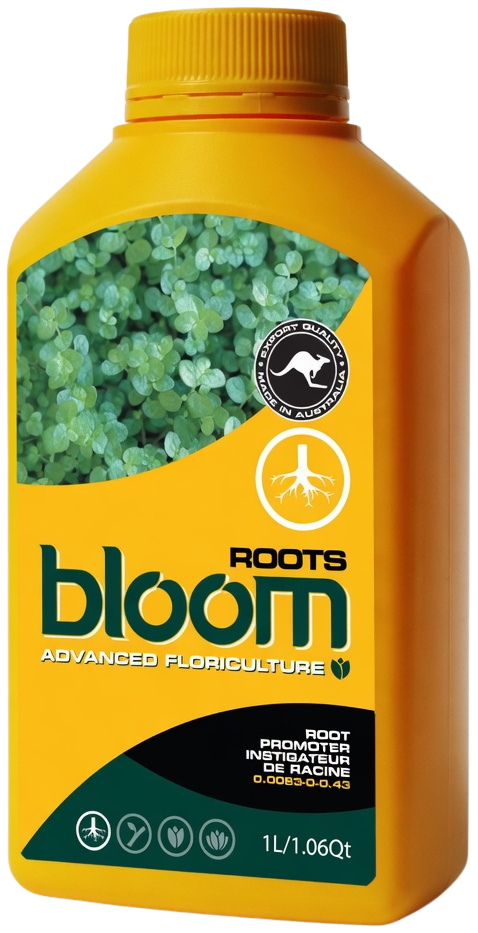
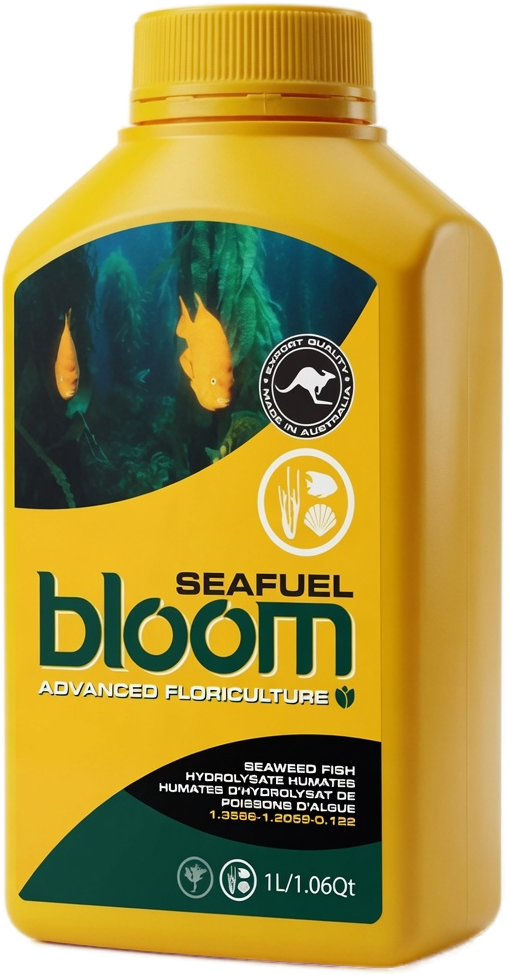
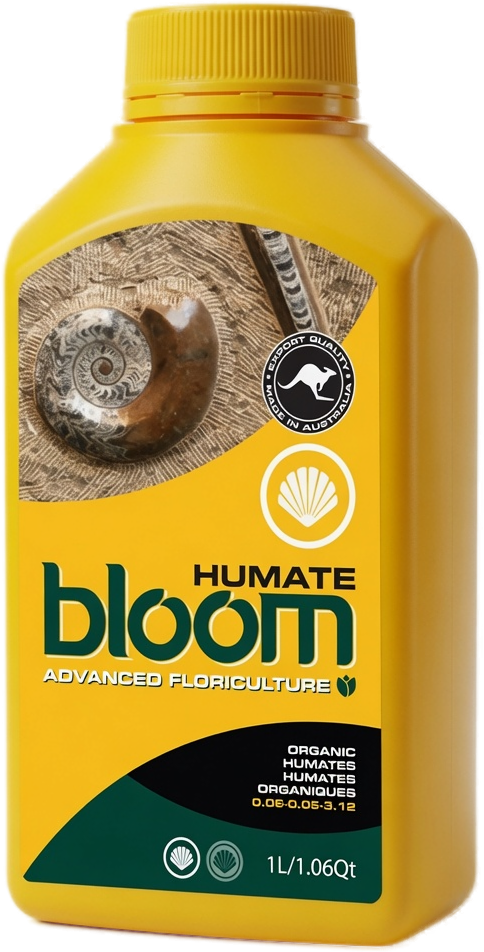
Hydro rate, per litre, weekly: Roots 1 ml/L the first week then 0.5, Seafuel 1, Humate 2.5. Full soil chart →

Feed the tea, feed the bed.
Veg is when the bed’s biology does the heavy lifting. Simple carbohydrates and sea minerals give the microbes what they need to multiply, the same reason growers add molasses to a tea.
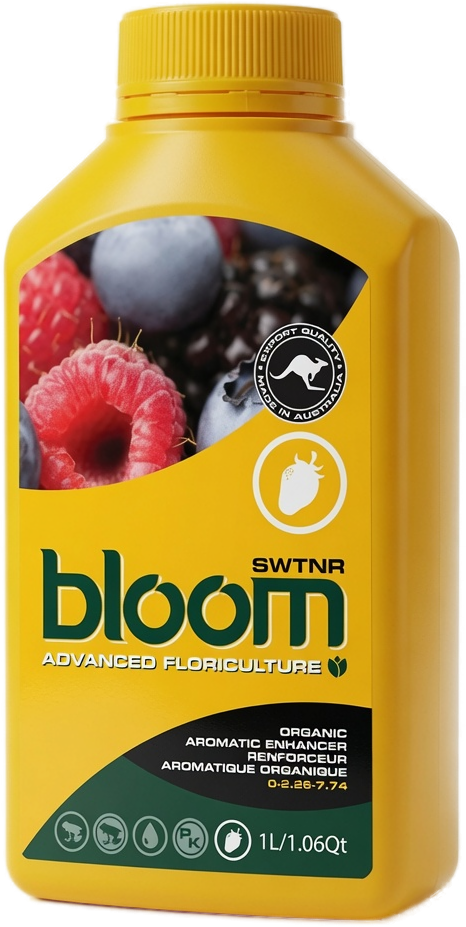
Hydro rate, per litre, weekly: SWTNR 1 ml/L, Seafuel 1. Full soil chart →

Keep the finish organic too.
Flower is when the plant asks the most of the bed. Kelp, molasses and boron through the back half keep things fed without stepping outside a living soil program.
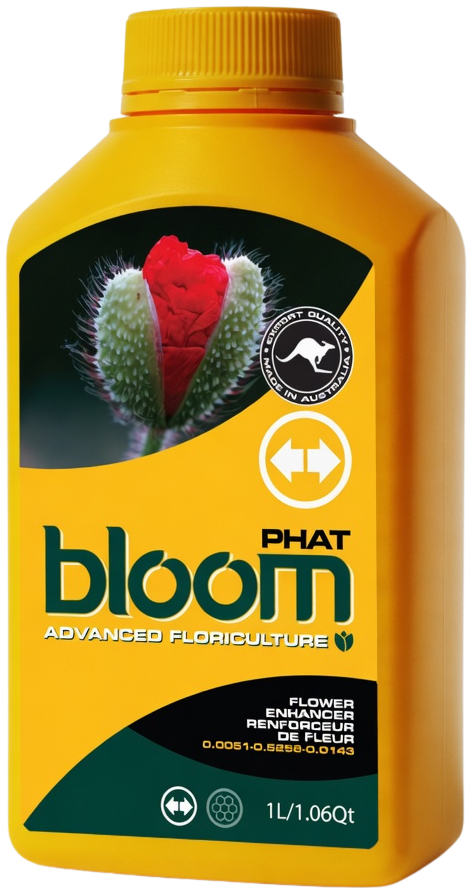
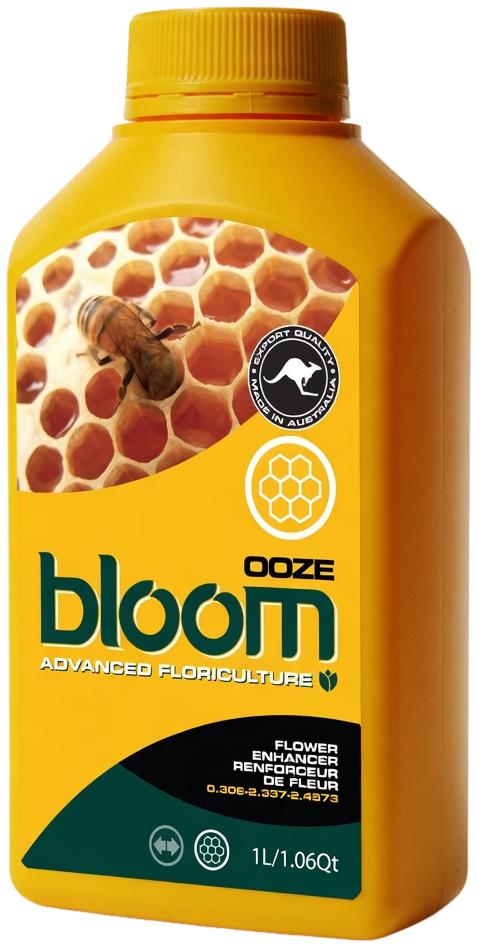
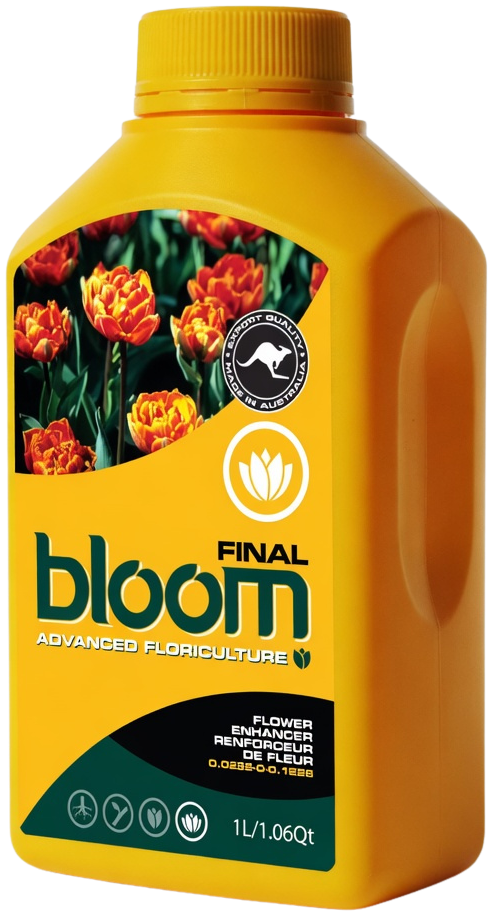
Hydro rate, per litre, weekly: Phat 2.5 ml/L weeks 3–4, Ooze 2.5 ml/L from week 5, Final 1 ml/L the last 2 weeks. Full soil chart →
Put back what the harvest took.
Reusing a bed is the whole point of living soil. Topping up trace minerals and humic acid between runs keeps it from getting thinner every cycle.

Hydro rate, per litre, weekly: Humate 2.5 ml/L, Sea Minerals 0.13. Full soil chart →
Bloom in living soil.

“Living soil. Full Bloom line. Making monsters.”@thehouseitsgreen · Ooze + Final
Growers’ own photos and words, individual results vary. Every grower review →
Is it the feed, or the bed?
Most living soil problems are water, air or pH. Check these before adding anything.
A bed that’s been cropped hard and needs re-amending. A bottle on top helps, but it won’t replace a proper top-dress.
Overwatering. Soggy soil has no air, and the biology stalls. Let the top inch dry before the next water.
A hot mix still breaking down or pH swinging. Give the bed time to settle before chasing it with more inputs.
Dosed for your bed.
Living soil questions.
Will this throw off my soil biology?
No. Every input is food-based: kelp, fish, humic acid, sea minerals and carbohydrates. It’s the same kind of stuff your soil life already breaks down.
Why not just brew my own tea?
Keep brewing. Bloom isn’t a replacement for your tea, it’s a consistency layer. SWTNR and Seafuel go straight into a tea you already make.
What kelp is in it?
Mostly Durvillaea potatorum, Southern bull kelp from the cold, high-surf coasts of south-east Australia. Some bottles also carry Ascophyllum, Laminaria or Lessonia. The science page breaks it down bottle by bottle.
Not sure it fits your grow? Talk to Nate.
Tell us what’s in your bed and how you water, and we’ll point you to the one or two bottles worth adding.