
Is there anything alive in the bottle?
Bloom doesn’t sell bugs in a bottle. We feed the biology already living in your soil, coco or tea. Food that doesn’t die on the shelf.
We feed microbes. We don’t bottle them.
In the US, a product can only say it contains live microbes if the label names every one by genus and species, with a guaranteed count. None of the Bloom labels do that, so we don’t make the claim.
What every organic Bloom product does carry is food for soil life: kelp, fish, molasses, humic carbon and sea minerals.
Why food beats bugs in a bottle
Nothing to die on the shelf
Live cultures lose numbers sitting in a hot warehouse or the back of a truck. Food stays food.
Works with your biology
Living soil, compost tea, worm castings or the inoculant you already trust. Bloom feeds whatever’s there.
Cents per gallon
At 1 ml/L, Seafuel works out to around 13¢ a gallon off a 1L bottle, and less on the big drums.
What each one feeds them
Pick one or two on top of whatever base you run. Taken straight from the ingredient lists on our labels. Tap any bottle to see it.
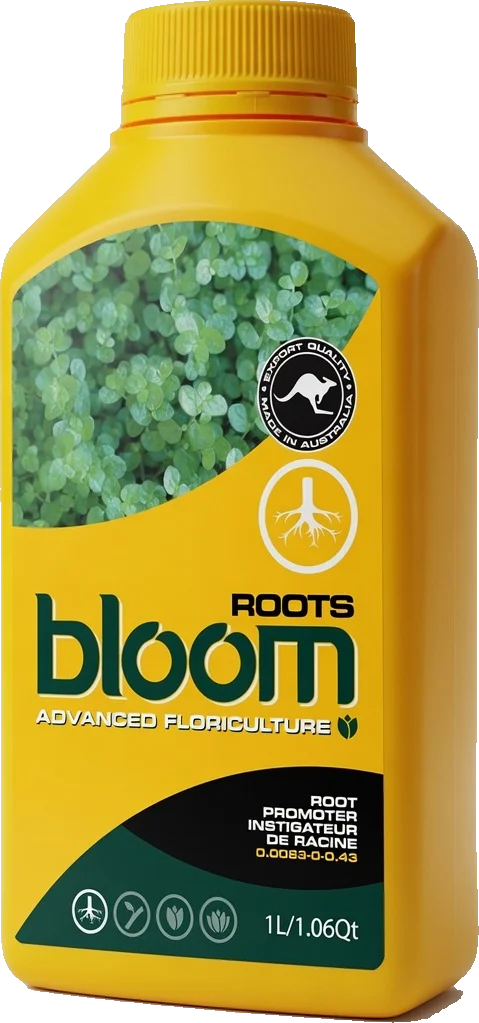 Roots
Southern bull kelp + humic acid
View Roots →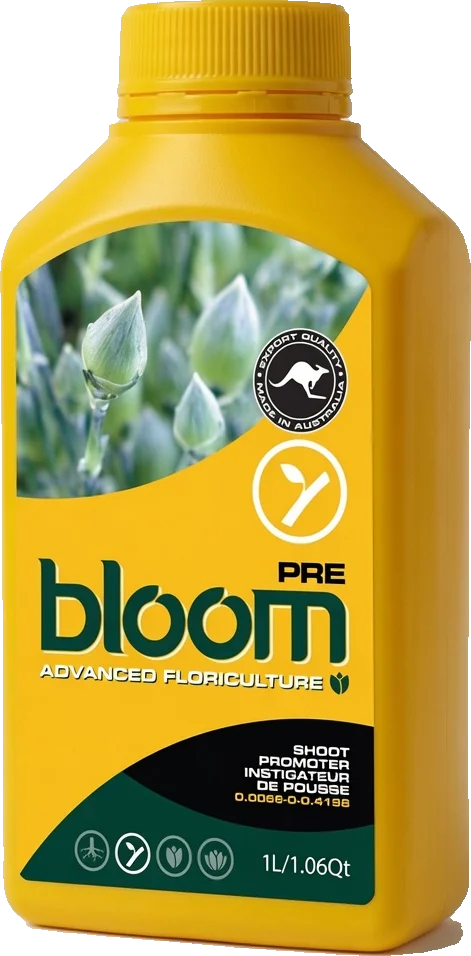 Pre
Two cold-water kelps + humic acid
View Pre →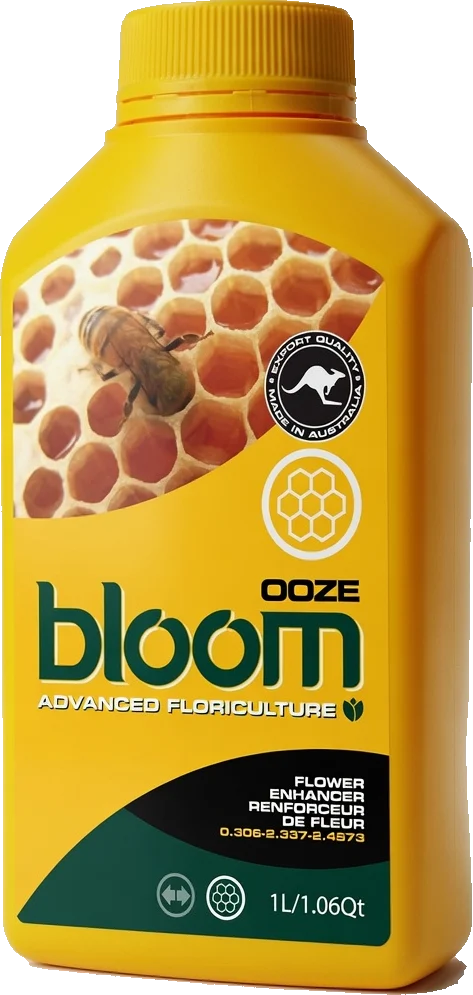 Ooze
Molasses sugars + red & brown seaweed + humic acid
View Ooze →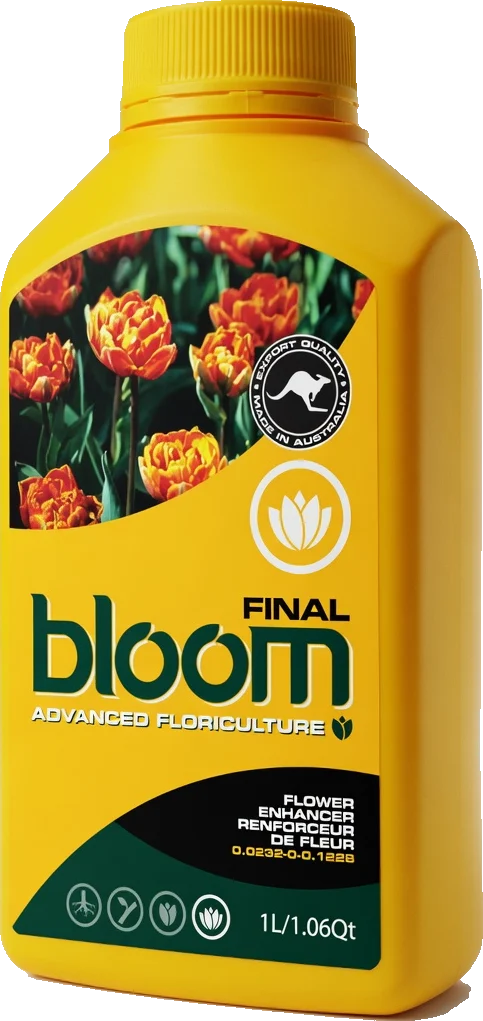 Final
Two kelps + alfalfa extract + humic acid
View Final →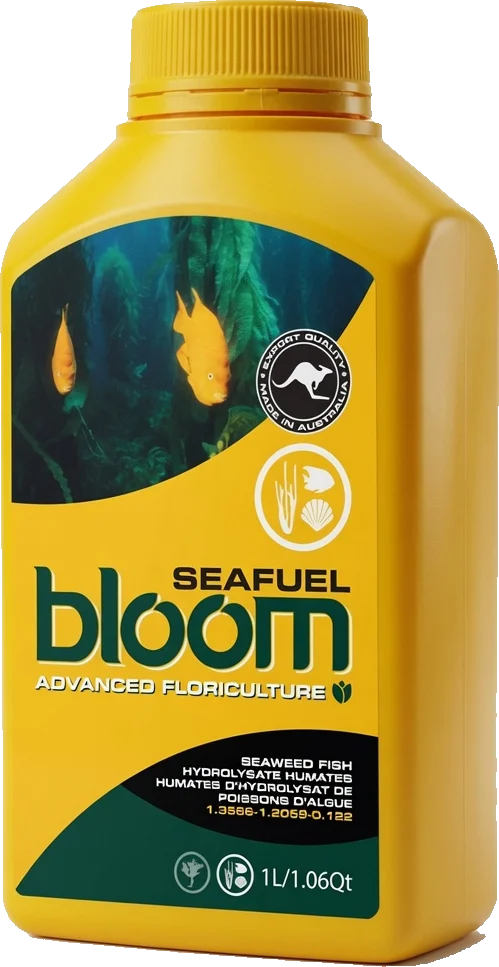
Seafuel
Hydrolysed Southern Bluefin Tuna + Southern bull kelp + humic acid. Fish proteins and oils that soil life breaks down fast.
View Seafuel →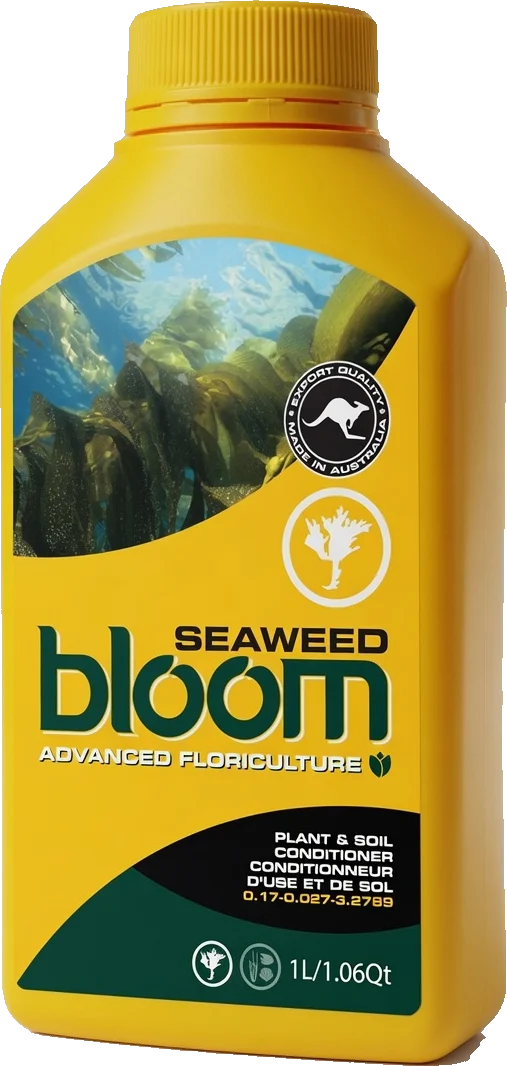 Seaweed
Southern bull kelp extract
View Seaweed →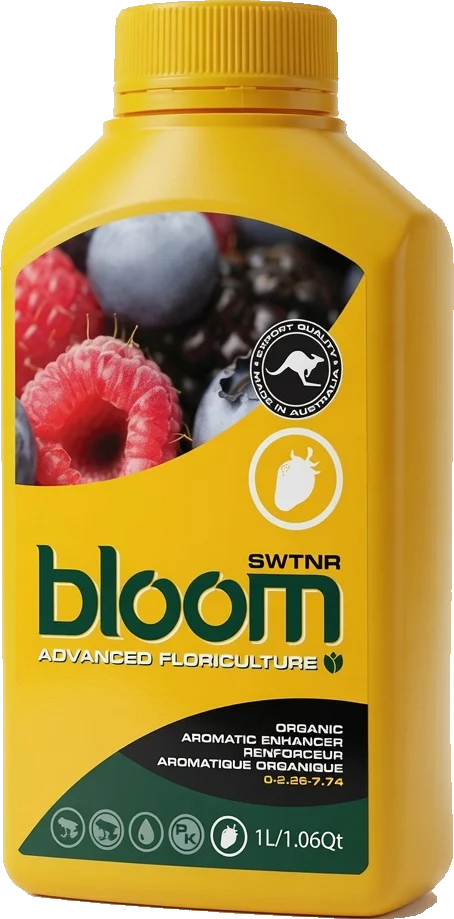 SWTNR
Malted barley extract + seawater extract + red seaweed
View SWTNR →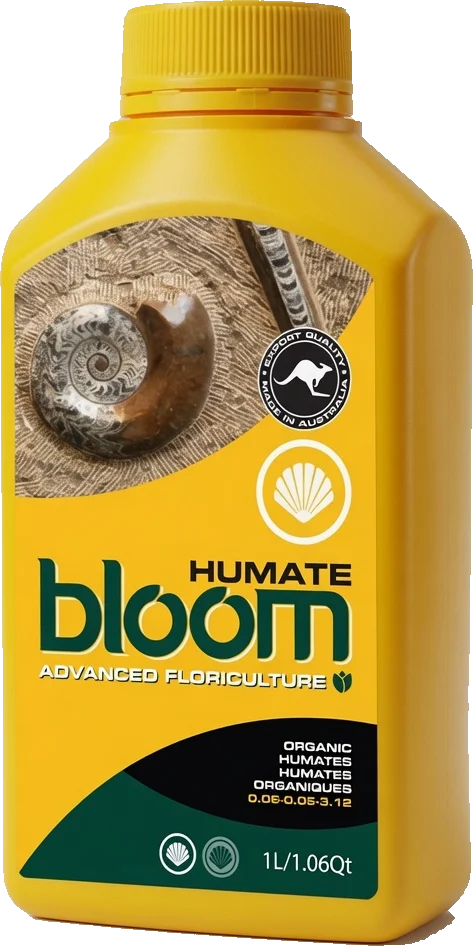 Humate
10% humic acid from leonardite
View Humate →Feed the kelp, count the bacteria
Researchers grew tomatoes with a seaweed extract made from Southern bull kelp, the same kelp in Seafuel, Roots and Seaweed, blended with North Atlantic kelp. The soil around the roots ended up with more bacteria, more available nitrogen, and more of the bacterial families linked to healthy soil.
Source: Journal of Applied Phycology (2021), Durvillaea potatorum + Ascophyllum nodosum extract in tomato.
Questions growers ask
I heard Seafuel has live microbes in it. Does it?
Some older Bloom sheets described the tuna as “cold-composted”. The current label lists hydrolysed Southern Bluefin Tuna, which is broken down with enzymes, not composted, and the label lists no microbes. So the right way to say it: Seafuel is one of the richest microbe foods in the range.
Can I mix Bloom with my inoculant or compost tea?
That’s exactly where it fits. SWTNR and Seafuel together are our Compost Tea Powerhouse combo: sugars plus fish and kelp for the brew.
I run clean hydro. Is any of this useful?
Yes. The kelp, fish and minerals still feed the plant directly. The biology benefit is extra, and it shows up wherever there’s life in the system: coco, soil, or a tank running beneficials.
Do I need the whole line?
No. Pick one or two on top of the base you already use, even just for a few weeks, and see what your plants tell you.
How do microbes compare with rooting gels and kelp?
They do different jobs. We broke down rooting hormones, kelp, humic and microbe products side by side, with rates and cost per gallon: What’s really in your rooting bottle →