
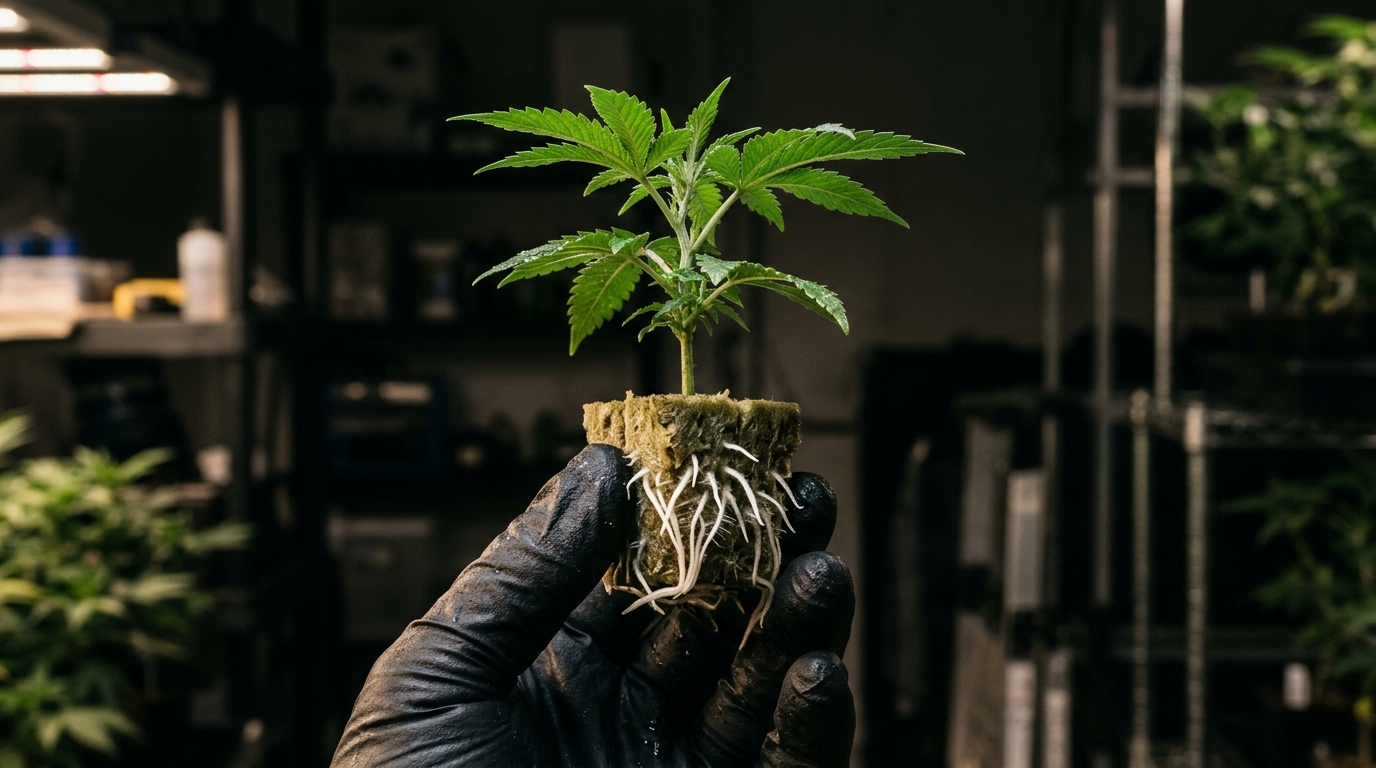
 Representative imagery
What’s really in your rooting bottle?
Gels, powders, kelp, microbes, willow water. They all say roots on the label, but they work five completely different ways. Here’s what each one is, where it comes from, and what it costs you per gallon.
Same promise. Different engine.
Tap each one to see how it works, where it’s sourced from and how strong the research is.
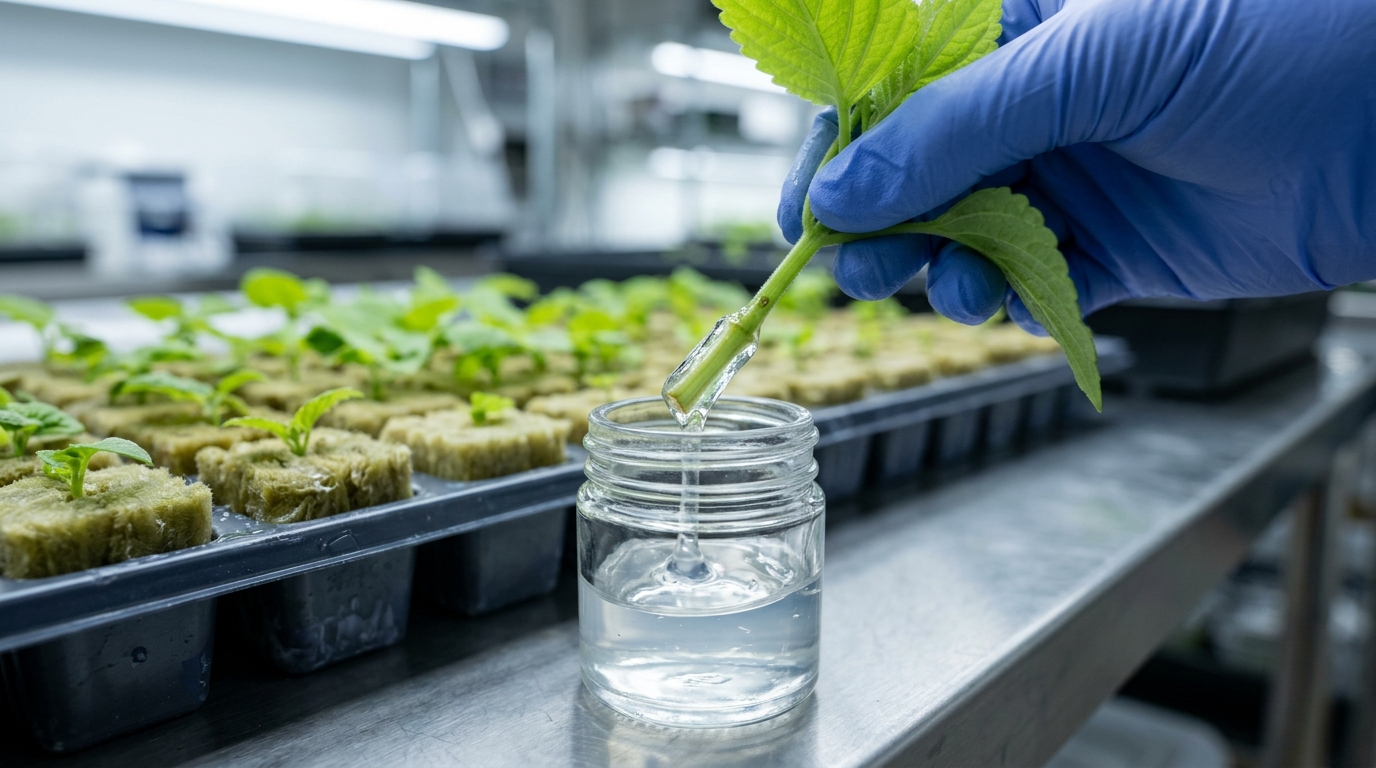
IBA & NAA
A man-made copy of the plant’s own root signal, put straight on the cut.
Auxin is the hormone a plant uses to tell cells “make a root here.” IBA and NAA are synthetic versions. Put on a fresh cut, they switch cells at the base of the stem over to root-building. It’s the most direct, most consistent way to root a cutting, especially stubborn woody ones.
Made in a chemical plant. IBA is synthesised from indole and blended into a gel, powder or liquid at a fixed strength, usually 0.3–1%.
Follow the label on these. They’re for dipping cuttings, not for your tank, and more isn’t better: too strong burns the cut.
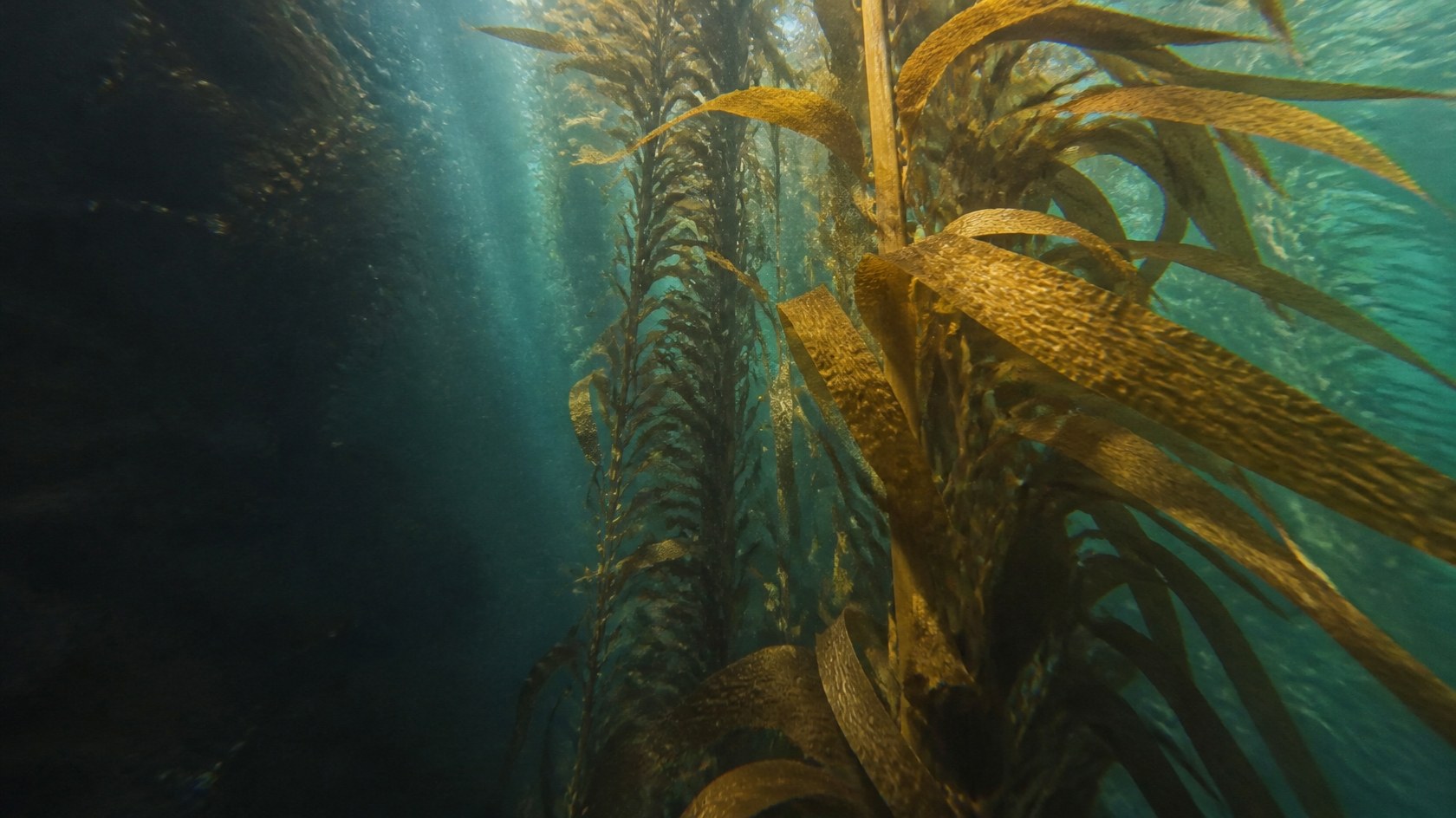
Kelp extract
Not a hormone dose. A signal that gets the plant building its own roots.
The hormone levels measured in kelp extracts are tiny and all over the place. What the research points to is signalling: the extract switches on the plant’s own root-building genes. The whole extract works; split it into parts and the effect drops away.
Brown seaweeds: Ascophyllum from the North Atlantic, Ecklonia from South Africa, and Southern bull kelp (Durvillaea potatorum) from the Southern Ocean, the one in Bloom Roots. Most extracts are made hot with alkali; some are cold-processed. Species and process both change the result.
Kelp isn’t kelp. In one maize trial six extracts gave anywhere from +15% to +81% more root length. Run it as a feed through the whole root-building stage, not a one-off dip.
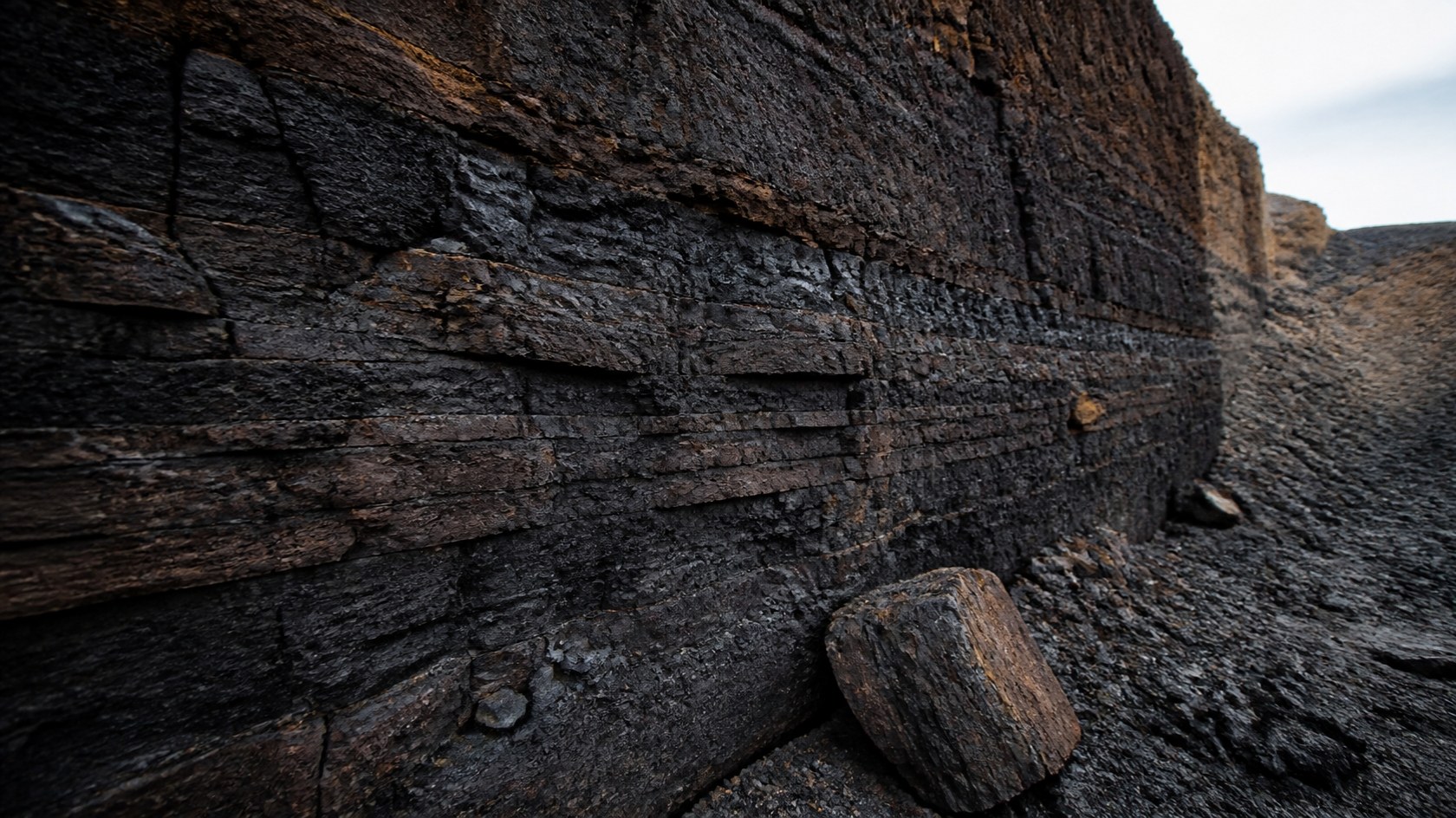
Humic & fulvic
Old carbon that conditions the root zone around the plant.
Humic substances hold onto micronutrients and hand them over at the root. In lab and seedling work, humic acids have also lifted root surface area and branching, and researchers have found auxin-like groups in their structure.
Mostly leonardite, an oxidised soft coal that’s mined and then dissolved out with an alkali like potassium hydroxide. Which alkali is used decides whether potassium or sodium comes along with it.
It’s a supporting act. It makes the root zone better to grow into; it isn’t the thing that starts a root on a bare stem.

Live microbes
Bacteria and fungi that move in and live on the root.
Bacillus strains colonise the root and put the plant’s own defences on alert. Trichoderma fungi push out more side roots through the plant’s auxin pathway. Mycorrhizal fungi grow out into the media and act like extra root length.
Grown up in fermenters and sold with a guaranteed count on the label (CFU per ml, or propagules per gram). If the label doesn’t name the species and the count, it isn’t selling you live microbes.
Only works if they arrive alive. Heat, old stock, chlorine and reservoir sterilisers all knock numbers down. Bloom doesn’t bottle microbes; Roots and Seafuel feed the ones already there. Here’s why →
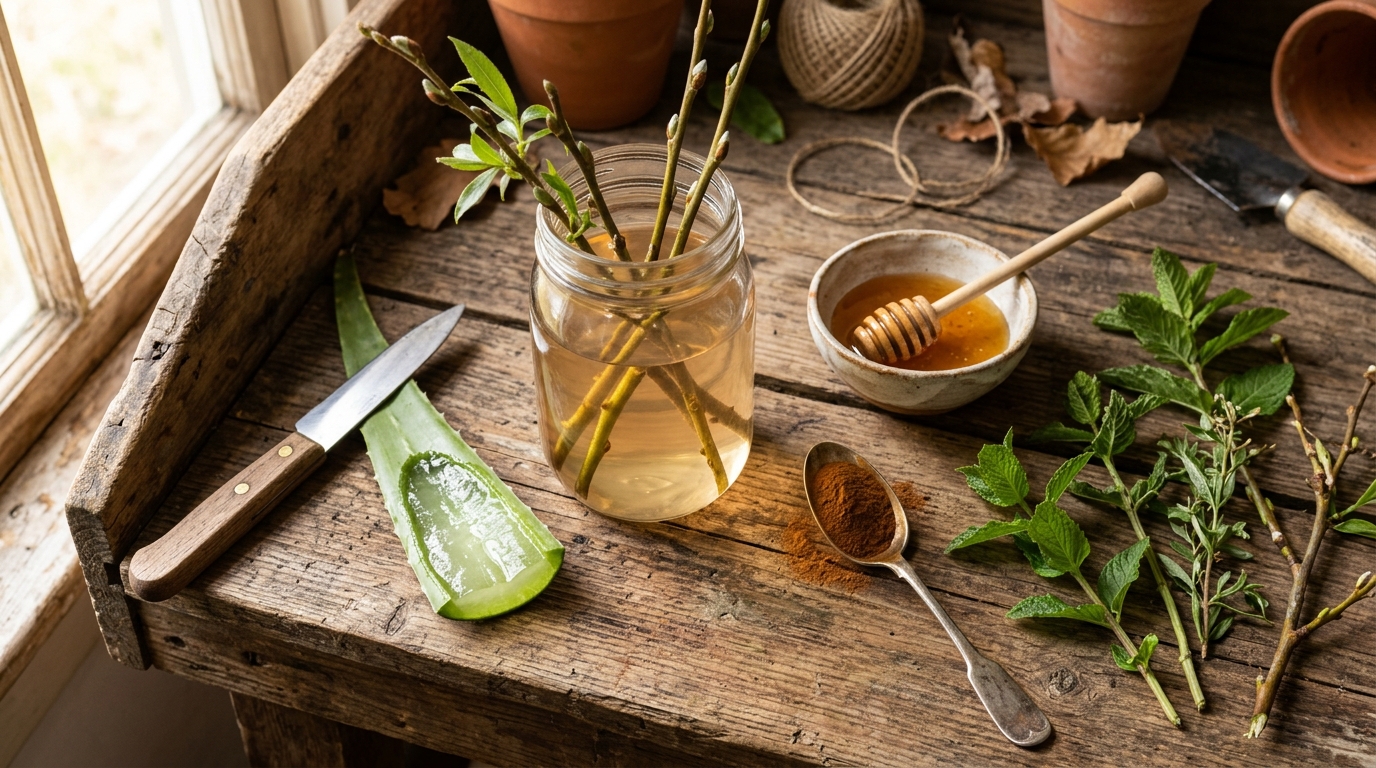
Willow, aloe, honey, cinnamon
Free, natural, and a lot less proven than the internet says.
Willow carries salicin, not rooting hormone: measured auxin in willow extract is close to nothing, with no IBA found. Aloe and honey mostly help by keeping the cut clean and moist. A few small trials look good; bigger, tougher tests usually go to IBA.
Your yard and your pantry, which is the catch. Bark compounds vary up to 25-fold between willow plants, and common white willow carries some of the least.
Easy soft cuttings when you’ve got nothing else. Not a stubborn woody cutting, and not something you can repeat batch to batch.
In one honey trial it held its own on soft groundcovers but rooted only 18% of hibiscus cuttings against 44% for an IBA powder.
Six things worth unlearning
Every card is backed by a published study or a university extension source, listed at the bottom of the page.
“Willow water is natural rooting hormone.”
The researchNo IBA has been found in willow extract, and natural auxin measured at a few billionths of a gram per ml. Its main active, salicin, only becomes salicylic acid after it’s broken down.
Zombori et al. 2025; Bonaterra et al. 2021“Aloe roots as well as hormone.”
The researchThe best-known result used 10 cuttings per treatment, one greenhouse, one season, and didn’t say how the aloe was made up. In another trial IBA rooted 67% and aloe 33%.
Aryan et al. 2023; Somarathna et al. 2026“Kelp is kelp.”
The researchSix commercial extracts, same plants, same trial: root length gains ran from +15% to +81%. Species, harvest and how it’s processed all show up in the result.
Ertani et al. 2018“Vitamin B1 grows roots.”
The researchOutside the lab, B1 on its own doesn’t stimulate new roots or cut transplant shock. Early B1 “root stimulator” results were traced back to auxin in the mix. Plenty of labels list B1, ours included; it’s never the reason a product works.
Chalker-Scott, WSU; Univ. of Arizona Extension 2024“Honey works on anything.”
The researchIt kept up with an IBA powder on soft cuttings like peanut and groundcovers, then fell well behind on woody hibiscus: 18% rooted against 44%.
Firth & Trask, Univ. of Hawai’i Master Gardeners“More is better.”
The researchRooting signals work in a narrow window. Salicylic acid helps roots at low doses and holds them back at higher ones; too-strong hormone burns the cut. Stick to the rate on the label.
Zemlyanskaya et al. 2022; product labelsWhat’s on the shelf, by the gallon
Rates are what each maker prints. Prices are the lowest to highest we found across US retailers and Amazon sellers on 2 November 2026, and cost per gallon uses the lowest price. Dips and gels are priced per pack.
our website price9¢at 0.5 ml/L Bloom HumateHumicIn it10% humic acid (leonardite), 0-0-3.12Rate2.5 ml/LPrice$27.00 / 1 L
our website price26¢at 2.5 ml/L CANNA RhizotonicPlant extractIn itLiquid plant extract with vitamins, 0-0-0.6Rate4 ml/L first week, then 0.5 ml/LPrice$50.45–$59.00 / 1 L
4 listings10¢76¢ in week 1 House & Garden Roots Excelurator GoldKelp extractIn itCold-pressed kelp + seed extractRate0.3 ml/LPrice$148.04–$225.16 / 1 L
5 listings17¢at 0.3 ml/L Remo VeloKelpKelp extractIn itCold-pressed kelp extracts, B vitamins, humic acidsRate2–4 ml/LPrice$46.00 / 1 L
1 listing in stock35¢up to 70¢ at 4 ml/L General Hydroponics RapidStartPlant extractIn itAlfalfa, barley & willow bark extracts, 1-0.5-1Rate0.25–0.5 ml/LPrice$72.99–$199.99 / 1 L
4 listings7¢up to 14¢ at 0.5 ml/L Maxicrop Liquid SeaweedKelp extractIn itAscophyllum kelp, 0-0-1Rate1 oz per gallonPrice$16.99–$20.63 / 32 oz
2 listings53¢at 1 oz/gal SuperthriveKelp + vitaminIn itKelp + vitamin B1, 0.5-0-0Rate¼ tsp per gallon · 1 tsp for cuttingsPrice$17.79 / 4 oz
1 listing with size confirmed18¢74¢ at 1 tsp/gal BioAg Ful-PowerFulvicIn itFulvic acid (full analysis not on listing)Rate15–30 ml per gallonPrice$12.53–$13.43 / 1 qt
1 shop, 2 label versions20¢up to 40¢ at 30 ml/gal Botanicare HydroguardLive microbesIn itBacillus amyloliquefaciensRate2 ml per gallonPrice$25.65–$29.99 / 1 qt
4 listings in stock5¢at 2 ml/gal Advanced Nutrients Voodoo JuiceLive microbesIn itFour named bacteria (Bacillus & Paenibacillus)Rate2 ml/L, weeks 1–2 of veg & bloomPrice$48.25–$69.95 / 1 L
5 listings37¢at 2 ml/L Great White MycorrhizaeLive microbesIn itMycorrhizal fungi, Trichoderma, 14 bacteria & yeast (powder)Rate5 g per 10 gal (hydro)Price$11.85–$15.68 / 1 oz
3 listings in stock21¢hydro; $1.04 in soil/coco Mammoth PLive microbesIn it4 bacteria strains, 2 million CFU/mlRate0.6 ml per gallon (hydro)Price$29.99 / 250 ml
1 listing in stock7¢hydro; up to 48¢ in soil Impello Tribus OriginalLive microbesIn it3 Bacillus strains, 10 billion CFU/mlRate1 ml per gallonPrice$21.00 / 250 ml
maker’s store, in stock8¢at 1 ml/gal Emerald Harvest Root WizardLive microbesIn it6 Bacillus-type bacteriaRate15 ml per gallon, twice per cropPrice$56.72–$62.39 / 1 qt
1 shop, sold out on the day90¢at 15 ml/gal Xtreme Gardening MykosLive microbesIn itOne mycorrhizal fungus, 300 propagules/g (granular)Rate1–2 tbsp per planting holePrice$20.85–$21.84 / 1 lb
2 listingsDrymixed into media, not costed Clonex Rooting GelSynthetic hormoneIn itIBA 0.3%RateDip the cutPrice$18.50–$27.50 / 100 ml
5 listings~$5.55per 100 cuttings Technaflora Rootech GelSynthetic hormoneIn itIBA 0.42%Rate3–5 second dipPrice$14.99 / 2 oz
1 listing foundDipnot a feed Hormex Rooting Powder #3Synthetic hormoneIn itIBA 0.30% · label: not for food cropsRateMoisten, dip, tap offPrice$14.99 / ¾ oz
1 listing in stockDipnot a feed Dip’N GrowSynthetic hormoneIn itIBA 1.0% + NAA 0.5%RateDilute 1:5 to 1:20, 3–5 s dipPrice$10.49–$17.75 / 2 oz
5 listingsDipnot a feed Garden Safe TakeRootSynthetic hormoneIn itIBA 0.1%RateMoisten, dip, tap offPrice$5.68–$7.36 / 2 oz
2 listingsDipnot a feed Bonide Bontone IISynthetic hormoneIn itIBA 0.10%RateDip cut ends in powderPrice$7.22–$14.26 / 1.25 oz
3 listingsDipnot a feed
How we worked it out: each competitor price is a live listing we checked on 2 November 2026, from shops including Hydrobuilder, HTG Supply, Monster Gardens, Happy Hydro, Home Depot, Ace, Walmart and Amazon sellers. Sold-out listings are left out of the range unless nothing else was in stock. Cost per gallon = lowest price ÷ bottle size × the maker’s rate (1 US gallon = 3.785 L). Clonex per-100-cuttings uses the retailer figure of 15 ml ≈ 50 cuttings. Bloom prices are our own website prices; stores that stock Bloom may sell it for less. Prices move all the time, so check before you buy. We keep a dated log of every listing we quote.
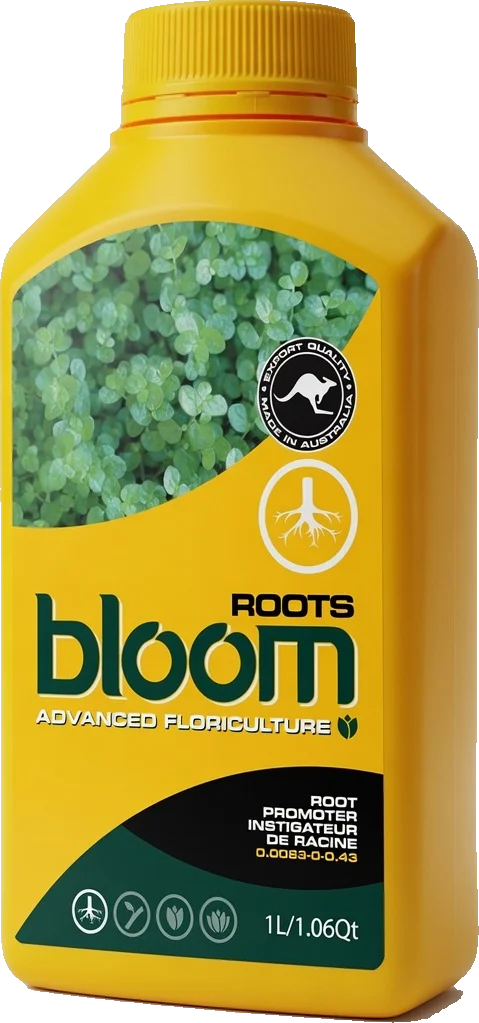
Kelp, carbon & B1. Nothing synthetic.
Roots is a kelp extract, not a hormone gel. Run it in the feed right through veg and flower, or mix it as a dip for cuttings and plugs. Plenty of growers dip in the gel they already trust and run Roots in the water. Keep your base; add it on top.
What they saw
Straight from growers’ posts and messages. Some got product to trial. One ran Roots side by side in the same room.
The roots definitely helped. The three plants I used them on are roughly 6–10 inches taller than the ones I didn’t. Same PPFD, EC and water times; the only difference was the Bloom.@apollos_oasisRoots · side by side · Feb 2026
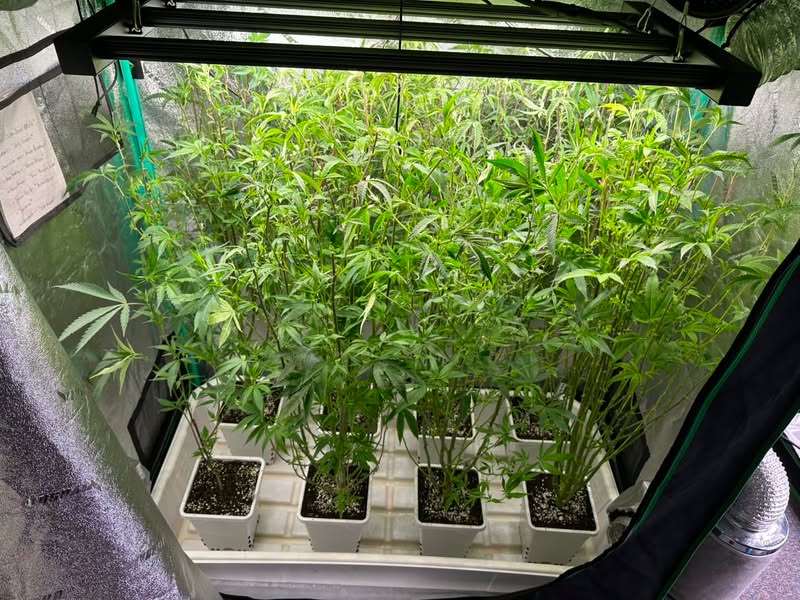
I love the smell of Roots, it’s my go-to. I double down on clones and they’re typically rooted in 4–7 days.@deogrowRoots · clones · Jun 2025
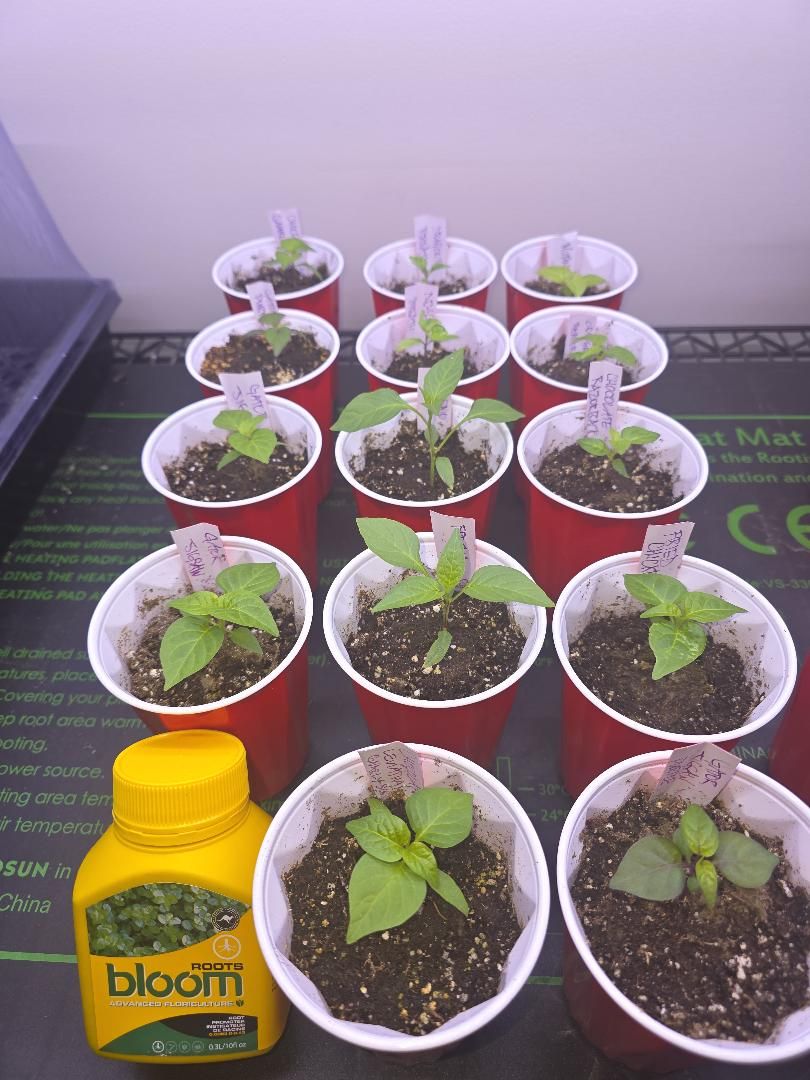
Day 10 since switching to Bloom. The seedlings only got Roots and they’re really happy. The growth in the tent is nuts, they’re popping!@highvoltagepeppersRoots · seedlings · Dec 2025
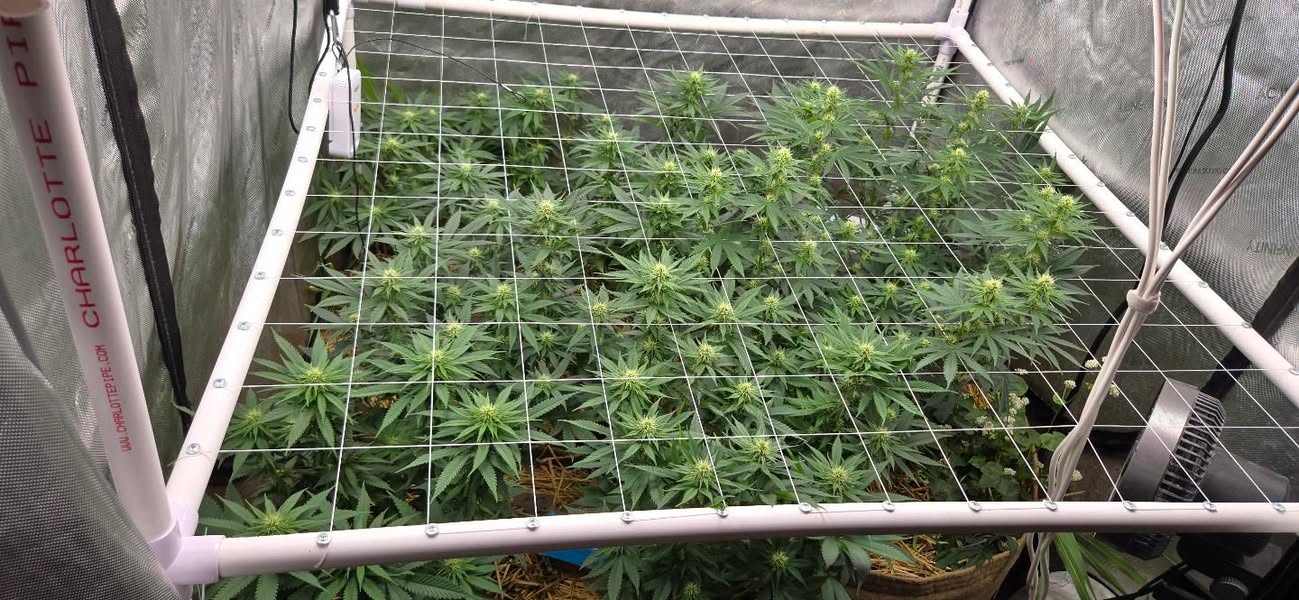
Roots and Sea Minerals have been key to getting my plants this happy: zero signs of shock or setback.@squidward_organicsRoots · Sea Minerals · Sep 2025
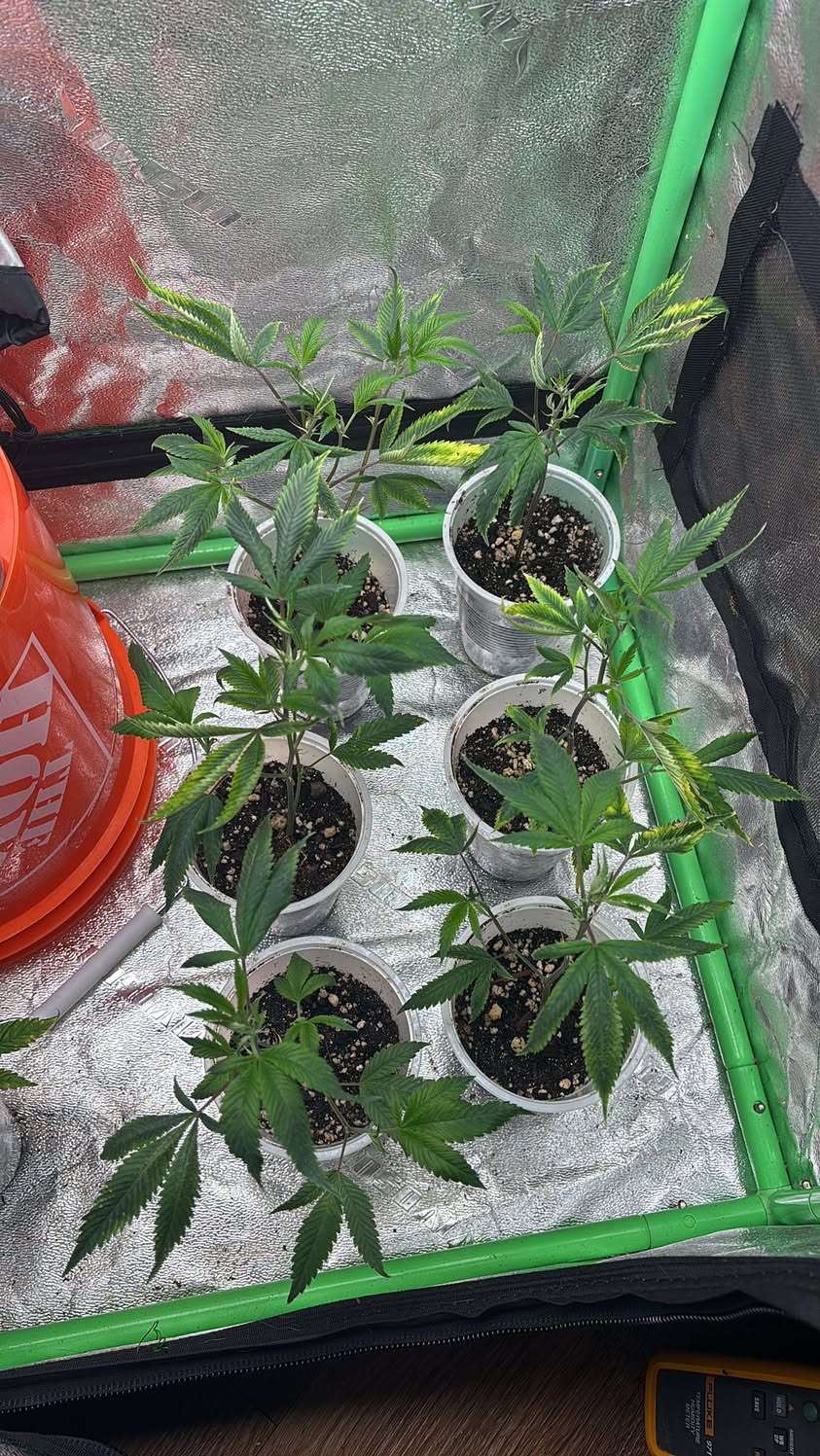
Still using Roots and Seafuel in my cloning regime and they love it.@griffbain13Roots · Seafuel · Oct 2025
Roots works best as a dip. I mix a 12-gallon batch and dip my teens roots and all. Cuts the smell too.@white_buffalocultivationcoRoots · dip · Nov 2024
Questions growers ask
Is Roots a rooting hormone?
No. There’s no synthetic IBA or NAA in it. It’s Southern bull kelp extract with a little humic acid and B1. If you want a hormone dip for hard cuttings, use one, then run Roots in the water.
Can I use Roots and a cloning gel together?
Yes, that’s how a lot of growers run it. Gel on the cut, Roots at 1 ml/L in the dip or misting water, then 0.5 ml/L in the feed once they’re in media.
Why is the cost per gallon so different between products?
Two things: how much you use and how often. A product at 0.3 ml/L can cost more per gallon than one at 4 ml/L if the bottle’s priced high enough. That’s why we show the maths, not just the bottle price.
Do I need microbes as well?
Up to you. Microbe products are a different job: they put living bugs into the root zone. Bloom doesn’t bottle microbes; Roots and Seafuel feed whatever’s already living in your soil, coco or tank.
Does willow water actually do anything?
It might help a bit on easy cuttings, but it isn’t rooting hormone and there’s no way to know how strong a batch is. If a cutting matters, don’t bet it on willow.
- USDA AMS. Indole-3-Butyric Acid Technical Report, 2011. ams.usda.gov
- University of Arizona Extension. Root Stimulators, 2024. extension.arizona.edu
- Ertani et al. Seaweed extracts as biostimulants in Zea mays. Frontiers in Plant Science, 2018. doi.org
- Shukla et al. Ascophyllum nodosum-based biostimulants. Frontiers in Plant Science, 2019. doi.org
- Ali, Ramsubhag & Jayaraman. Biostimulant properties of seaweed extracts. Plants, 2021. doi.org
- De Lucia et al. Seaweed extracts and adventitious rooting in ornamental cuttings: a review. Frontiers in Horticulture, 2024. doi.org
- Stirk & van Staden. Commercial seaweed products in a mung bean rooting bioassay. Journal of Applied Phycology, 1996. springer.com
- Façanha et al. Humic acids, root growth and H+-ATPase. Pesquisa Agropecuária Brasileira, 2002. embrapa.br
- Chalker-Scott, L. The Myth of Vitamin Stimulants. Washington State University. wsu.edu
- Chowdhury et al. Bacillus amyloliquefaciens FZB42 review. Frontiers in Microbiology, 2015. doi.org
- Contreras-Cornejo et al. Trichoderma and auxin-dependent root growth. Plant Physiology, 2009. bvsalud.org
- Zombori et al. Bioactive compounds in willow shoot extracts. Frontiers in Plant Science, 2025. doi.org
- Bonaterra et al. Salicylates in willow bark. International Journal of Molecular Sciences, 2021. doi.org
- Förster et al. Bark phenolics across Salix clones. Frontiers in Plant Science, 2021. doi.org
- Zemlyanskaya et al. Salicylic acid in root growth and development. IJMS, 2022. doi.org
- Aryan et al. Organic materials and IBA on pomegranate cuttings. Horticulturae, 2023. doi.org
- Somarathna et al. Natural rooting agents on Syzygium cuttings. SLJAE, 2026. reference-global.com
- Firth & Trask. Honey as a rooting aid. University of Hawai’i Master Gardeners. hawaii.edu
- Product rates and actives: each maker’s label or maker website. Prices: live listings at Hydrobuilder, HTG Supply, Monster Gardens, Happy Hydro, Greenhouse Megastore, Home Depot, Ace Hardware, Walmart, Amazon sellers and others, all checked 2 Nov 2026 and logged with links. Bloom figures from Bloom product labels and bloomyellowbottles.us.