
Microbe Life and Bloom
Microbe Life makes liquid microbe cultures. Bloom makes kelp, fish, humic and stage additives. Most of it goes in the same tank, so here’s how the two line up.
Last checked 5 November 2026 · Public information only
This Fit Report is a summary of publicly available information about Microbe Life and its products, taken from their own website, labels and published material as of 5 November 2026. We’ve linked each source so you can check it yourself. Rates are as printed on each company’s own pages; we don’t show prices. It isn’t affiliated with, endorsed by or approved by Microbe Life, and product names belong to their owners. Products, rates and claims change, so please confirm current details with the manufacturer before making any decision. Spotted something out of date? Email nathan@bloomyellowbottles.com and we’ll correct it.
Their microbes, Bloom’s food for the plant.
Microbe Life’s range is built on liquid microbial cultures made by Ecological Laboratories in Florida. Their pages say the products work with all nutrient programs. Bloom makes no microbial products at all, so the cultures stay. What Bloom brings is kelp, tuna, sea minerals and a bottle for each stage of the crop, dosed weekly.
- Stays as is: Photosynthesis Plus, Foliar Spray and Root Dip, Yield Enhancer, Terps Plus, gnat control, pH and Dechlorinator.
- Both have one: a humate product and an amino acid product. Run one, or test them side by side.
- Not on their list: kelp, fish, sea minerals, silica, stage additives and veg or flip foliars.
Microbe Life and Bloom in short
Photosynthesis Plus, Foliar Spray and Root Dip, Yield Enhancer, All-in-One, Terps Plus, gnat control, pH and Dechlorinator.
Nourish-L sits near Humate; Vitamins and Amino Acids sits near Roots.
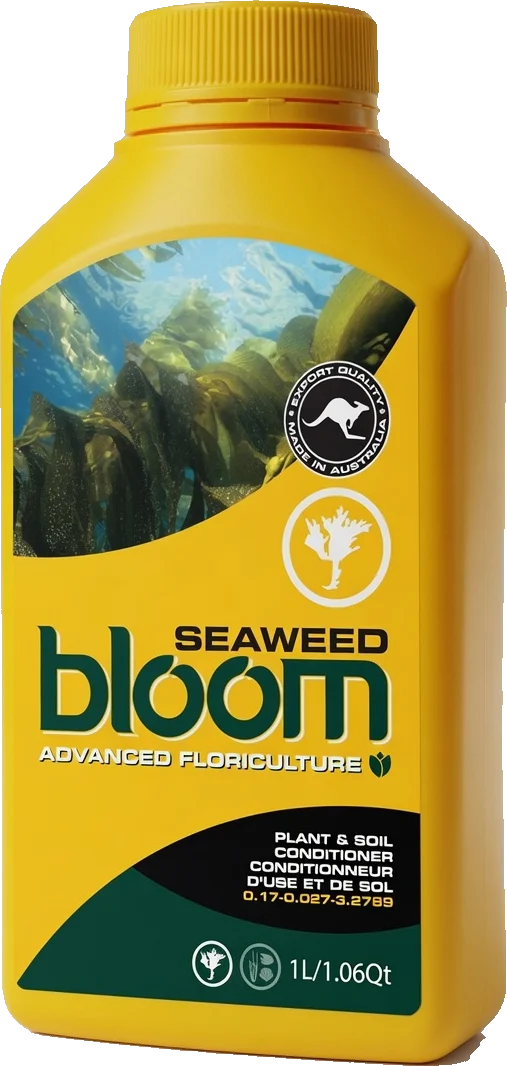
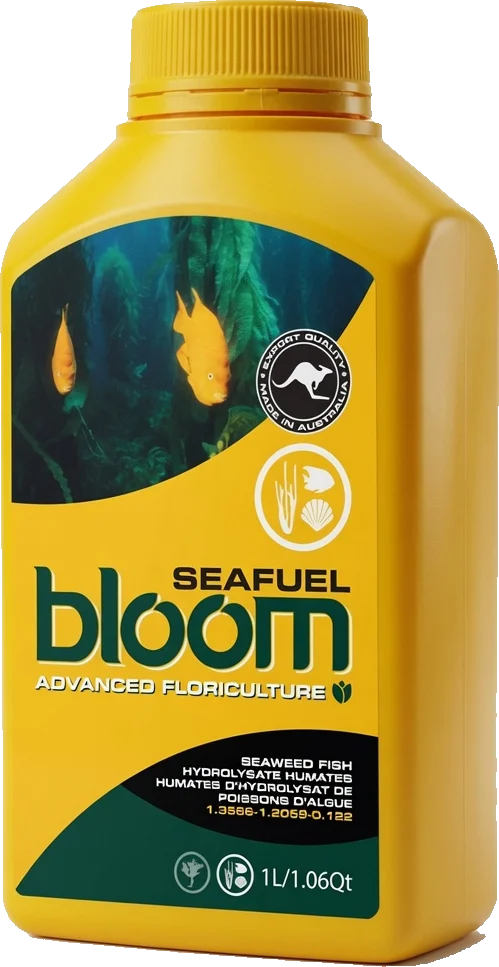
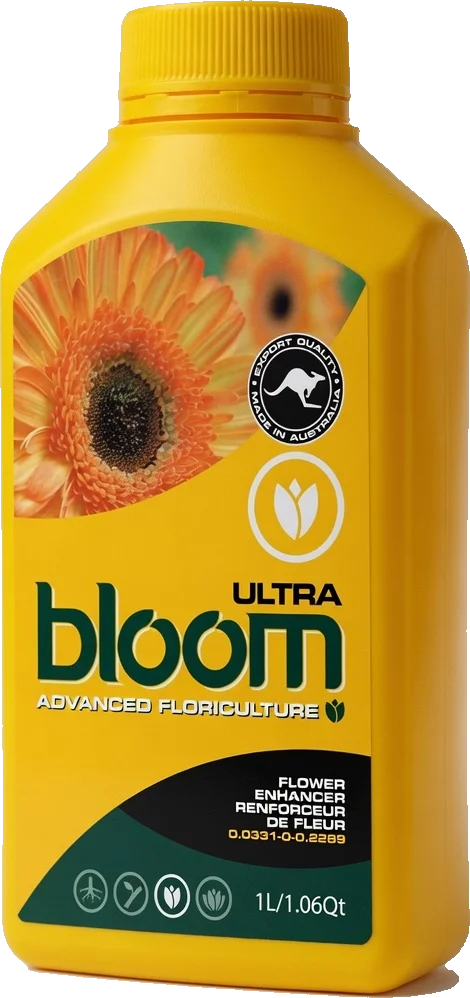
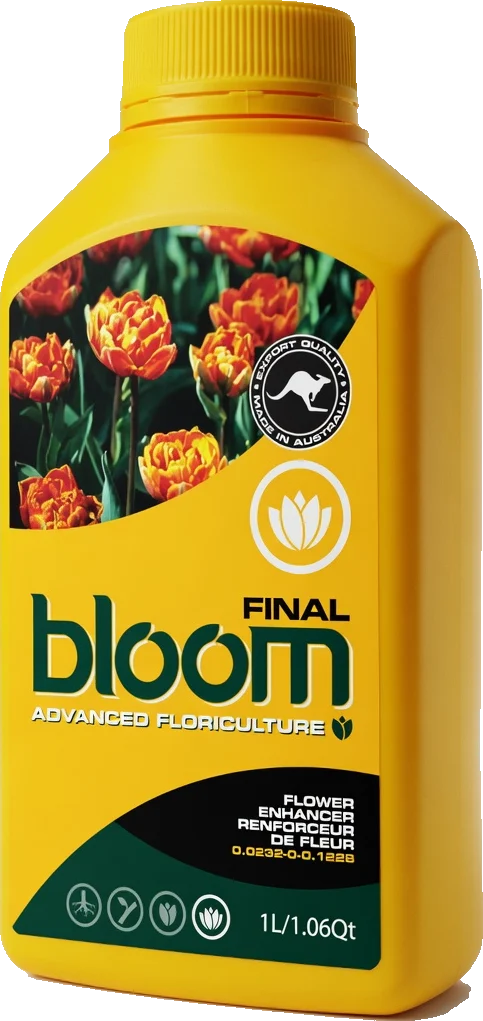
Seaweed, Seafuel, Sea Minerals, Silica, the five stage bottles and the veg and flip foliars.
Their line, Bloom’s fit at a glance
Matched on job, not NPK. Microbe Life prints its rates on a dosage chart image, so their rates aren’t repeated here. Bloom’s are per litre on a weekly feed chart. Tap a tag to filter.
Their core product. Bloom’s additives go in next to it.
A microbial dip and drench for seed start, cloning and transplant. Nothing in Bloom’s range does this job.
A microbe and humic blend. Bloom has no inoculant, so it stays.
Both put humic material in the root zone. Bloom prints 10% humic acid; Nourish-L’s page doesn’t print a percentage. Pick one, or test them.
Both carry amino acids. Roots also carries B vitamins and fulvic acid and is aimed at the root zone.
A light supplement with fungi in it. Bloom has nothing built the same way.
Their page sets it as a weekly hand drench across a 14-week program. It sits beside Bloom’s stage bottles.
A larvae control at the root zone. Bloom’s OrganiShield is a leaf-side insecticide and miticide, a different job.
Bloom doesn’t make pH adjusters or water conditioners, so these stay.
Southern bull kelp, and a tuna and kelp tonic, through the cycle.
Trace minerals from sea water, and potassium silicate added first in veg.
One bottle for mid veg, the flip, mid flower, late flower and the finish.
Leaf sprays for veg and the flip, applied every few days as needed, outside the tank.
Why each one fits
What the Bloom product does, the research behind that kind of input, and where it sits in a program that already runs.
Kelp and tuna next to the cultures
What it does. Seaweed is southern bull kelp; Seafuel is tuna and kelp. Both run at 1 ml/L weekly: Seaweed from seedling through the flush, Seafuel from clone through late flower, tapering at the flush.
A 2018 review looks at pairing microbial inoculants with seaweed, humic and protein inputs. It says the mix could add up to more than each alone, but published data on those pairings is still limited. A 2021 review backs seaweed extracts on their own for growth and stress tolerance. Neither tests these bottles.
Rouphael and Colla (2018), Front. Plant Sci. (review) · Ali et al. (2021), Plants (review)
How it stacks. Microbe Life’s pages say their products work with all nutrient programs. Bloom’s tonics are small weekly doses on top. Our read: mix each into the tank on its own and check both labels before you combine them.
A bottle for each stage
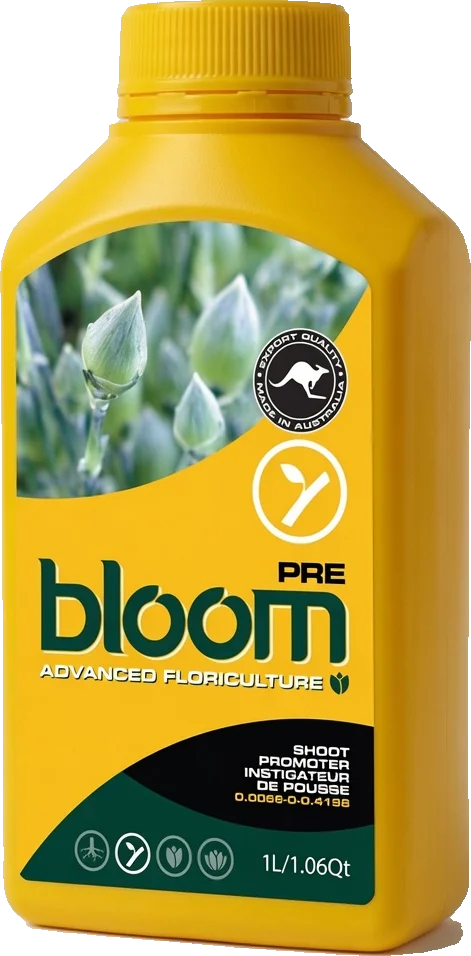
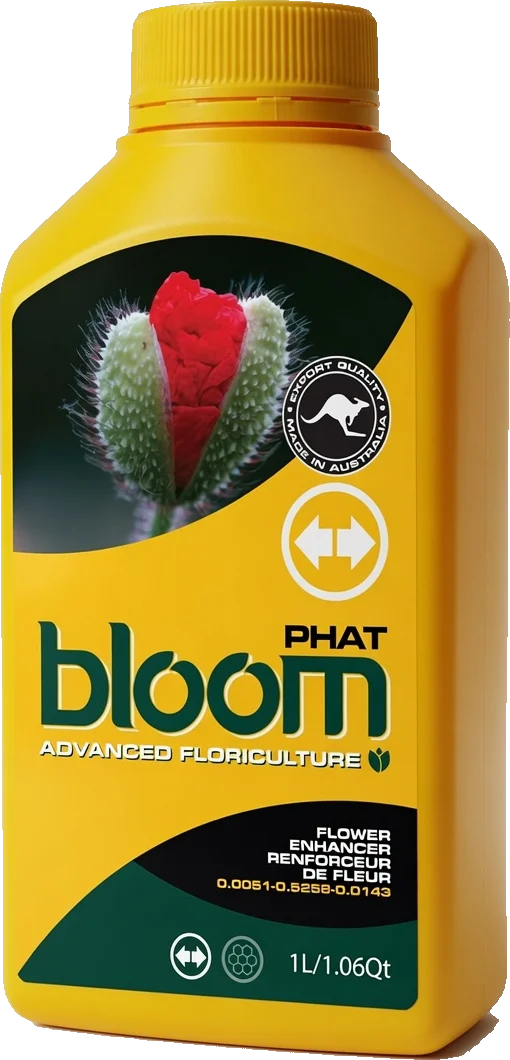
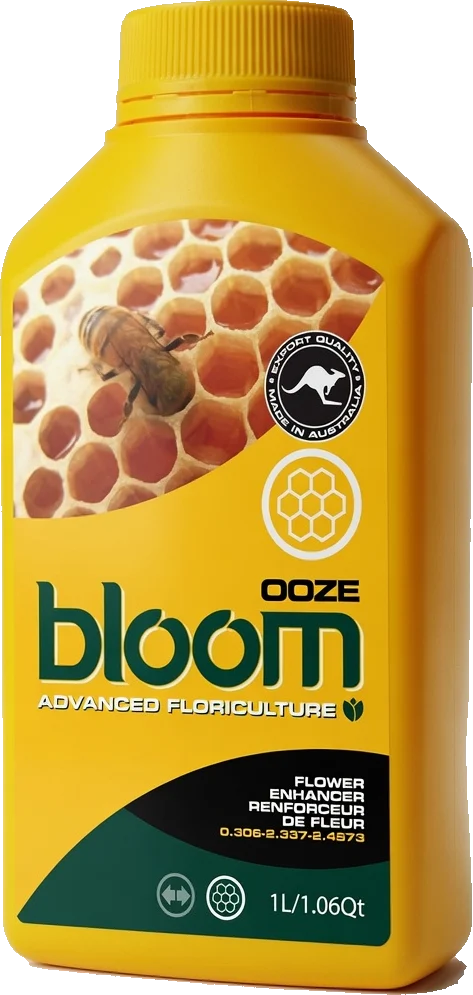
What it does. Pre in mid veg (weeks 2–3), Ultra at the flip (flower weeks 1–2), Phat in flower weeks 3 and 4, Ooze from week 5 through the final flush, and Final for the last two weeks alongside Ooze. 1–2.5 ml/L, weekly. These are timing tools, so there’s no study cited for them here.
How it stacks. Microbe Life’s range doesn’t split by stage; Terps Plus runs across the season. Bloom’s stage bottles go into those same weeks (our read: check runoff when you add anything).
Sea minerals and silica
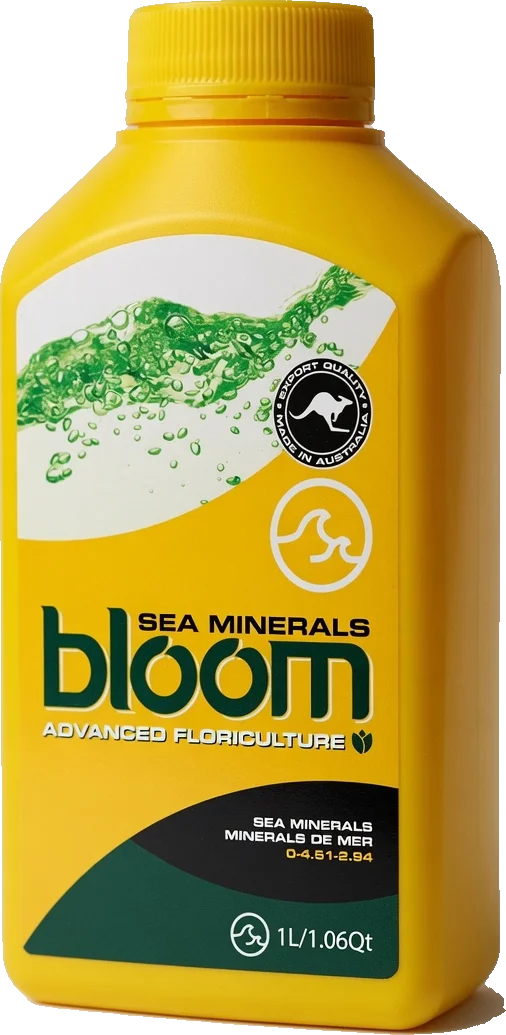
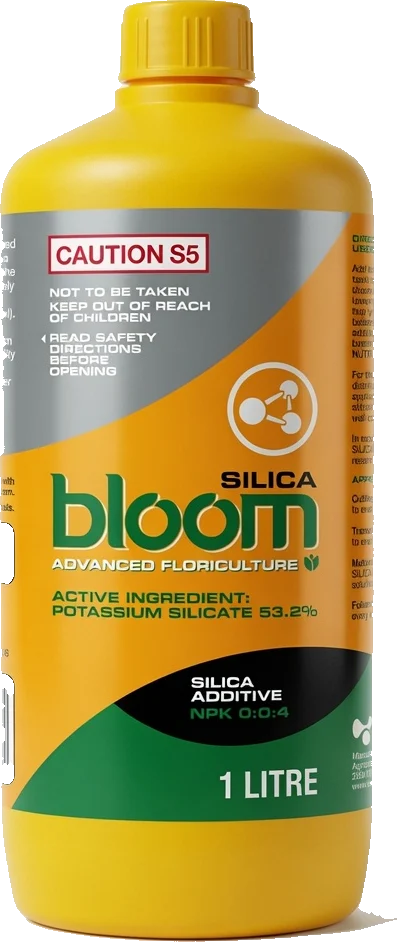
What it does. Sea Minerals is trace minerals from sea water at 0.13 ml/L weekly, veg to bloom. Silica is potassium silicate at 0.33 ml/L weekly, added first, veg through early flower.
A 2017 paper sums up silicon research: it helps plants handle salt, drought and heavy metals, and acts as a deterrent to herbivores. It’s general plant science, not a product test.
How it stacks. Silica goes into the water first, then everything else. Vitamins and Amino Acids already carries micronutrients, so Sea Minerals adds to it rather than standing in for it (our read).
Veg and flip sprays
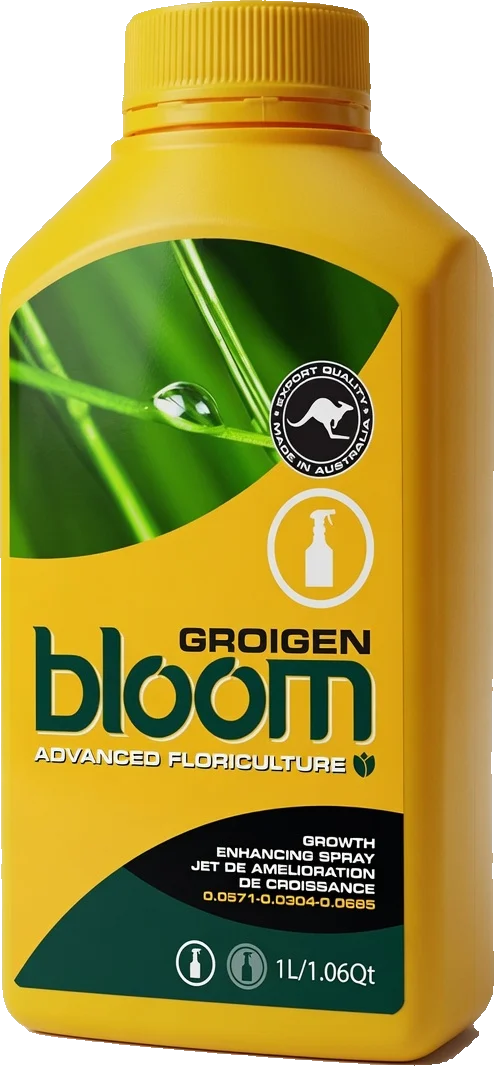
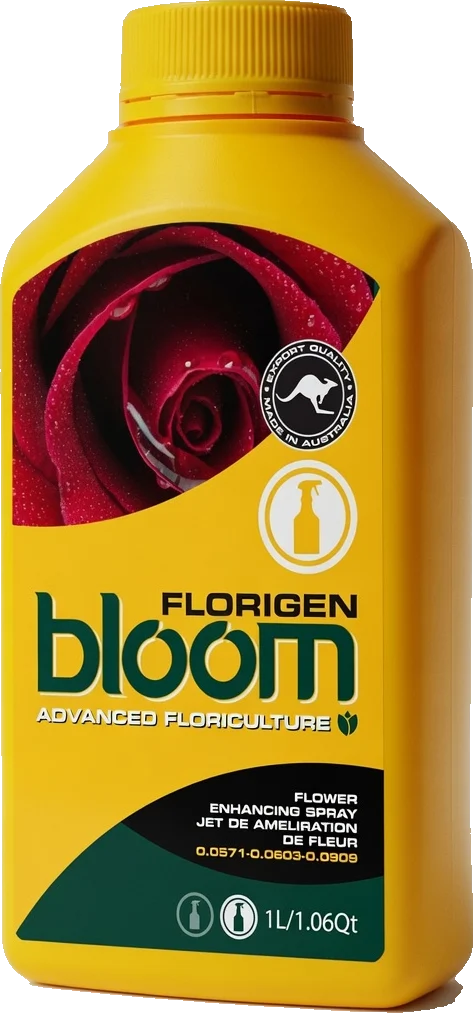
What it does. Groigen for seedling through veg, Florigen from the stretch to early bloom, stopping once buds set. 20 ml/L as a spray with the lights off, every few days as needed.
How it stacks. Microbe Life’s Foliar Spray and Root Dip and Organic Photosynthesis Plus can both go on as sprays. Our read: run Bloom’s foliars on different days to theirs, so each one gets a clean look.
Put it side by side
Where both ranges have a product for the same job, the fair answer is a test in your own room. Here’s what to watch and how to keep it fair.
Keeping it fair
- Same plants. Clones off the same mother, same cultivar, same age.
- Same room. Same light, climate, media, pot size and watering.
- Same base. Keep the base feed and EC the same on both sides.
- One change. Change only the product being tested, and write down what you see each week.
Where each bottle sits in the cycle
Microbe Life’s timing in grey, Bloom’s in yellow, across shared stages of the grow.
| Stage | Root | Veg | Flip | 3–4 | 5+ | Last 2 | Flush |
|---|---|---|---|---|---|---|---|
| Microbe Life, per their pages | |||||||
| Foliar Spray and Root Dip | |||||||
| Photosynthesis Plus | |||||||
| Vitamins and Amino Acids | |||||||
| All-in-One (1–2x weekly) | |||||||
| Terps Plus (weekly drench) | |||||||
| Bloom, per Bloom’s weekly feed charts | |||||||
| Roots | |||||||
| Pre | |||||||
| Ultra | |||||||
| Phat (weeks 3 and 4) | |||||||
| Ooze (wk 5 to flush) | |||||||
| Final (with Ooze) | |||||||
| Seafuel | |||||||
| Seaweed · Humate · Sea Minerals | |||||||
| SWTNR | |||||||
| Cal-Mag | |||||||
| Groigen (foliar, as needed) | |||||||
| Florigen (foliar, as needed) | |||||||
| PK (as needed) | |||||||
| Silica | |||||||
Microbe Life’s pages list benefits rather than stages. Foliar Spray and Root Dip is marked for seed start, cloning and transplant. Vitamins and Amino Acids says all stages. Terps Plus is a weekly drench over a 14-week program. Pale bars are our read from their benefit tables. Bloom’s bars follow its weekly feed charts; pale Bloom bars are as-needed bottles.
Where the programs complement each other
Their cultures, Bloom’s tonics
Microbe Life’s line is microbes plus a few supplements, with no kelp, fish or sea minerals. Seaweed, Seafuel and Sea Minerals go in at 0.13–1 ml/L weekly beside Photosynthesis Plus.
Stage bottles across the flower weeks
Their range runs the same products through the grow. Pre, Ultra, Phat, Ooze and Final give a grower a weekly bottle for each stage on top of that.
Humate and Nourish-L, Roots and aminos
Both ranges carry a humate and an amino acid product. A fair side-by-side in one room shows which one a grower wants to keep (our read).
Already covered
- Microbes. Photosynthesis Plus, Foliar Spray and Root Dip, Yield Enhancer and All-in-One.
- Humates and aminos. Nourish-L, Nourish-C, and Vitamins and Amino Acids.
- Flower support. Terps Plus, a weekly drench across the season.
- Pests and water. Fungus Gnats (Bti), pH Up, pH Down and Dechlorinator +.
Stays exactly as is
- Photosynthesis Plus and the other cultures. Bloom makes no microbial products.
- Fungus Gnats. Root-zone larvae control stays on their schedule.
- pH Up, pH Down and Dechlorinator +. Bloom doesn’t make these.
- Nourish-L and their aminos. If they’re working in your room, keep them, or test Bloom’s next to them.
Background, science and sources
Who Microbe Life are
Microbe Life Hydroponics is a brand of Ecological Laboratories, Inc., a microbial company founded in Freeport, New York, in 1976. Its labs and production moved to Cape Coral, Florida, in 1997, and corporate offices are in Island Park, New York. The hydroponics brand launched in 2011 for cannabis, hemp and vertical farming.
The range is liquid microbial cultures (Photosynthesis Plus in several state versions, Foliar Spray and Root Dip, Veg/Fruit Yield Enhancer), humate products (Nourish-L and Nourish-C), Vitamins and Amino Acids, All-in-One, Terps Plus, a Bti gnat control, pH Up, pH Down and a dechlorinator. They sell online, through a store locator and a retailer program, and have a page for commercial growers.
Sources: Home · Our story · Products · Commercial growers
What each company brings
Microbe Life: Liquid microbial cultures for soil, hydro, aquaponics and aeroponics, humates, vitamins and aminos, a cannabinoid-focused fertilizer enhancer, Bti gnat control, pH adjusters and a dechlorinator, made in their own Florida lab.
Bloom: one additive for each stage of the crop, seaweed, humic and sea mineral inputs, foliar sprays, and weekly feed charts for soil, coco and hydro. Rates and timing are on every product page.
Cropping Solutions, the other brand under Agricultural Organics, isn’t part of this report.
Dose basis: how each side counts
Microbe Life prints its rates on a dosage chart image on its site, so we haven’t copied numbers across. Where a product page prints a frequency, it’s shown here: All-in-One is once or twice weekly, Terps Plus is 20 mL per plant over a 14-week season as a weekly drench.
Bloom prints ml per litre on a weekly feed chart. Check Microbe Life’s chart for their rate before you plan a tank with both.
Mix calculator
Rates as printed on each company’s page (1 US gallon is 3.785 L). Bloom’s rates are per litre of nutrient solution, dosed weekly per its feed charts. Pick a product and your tank size.
Photosynthetic bacteria in plant growingEmerging
Sakarika and colleagues review purple non-sulphur bacteria, a group of photosynthetic microbes, in plant production. They say these bacteria could lift plant growth, yield and quality, and that case studies have been scattered over decades.
Why it matters here: Microbe Life’s Organic Photosynthesis Plus is described as a photosynthetic bacterial culture. The review is general and doesn’t test their product, and their page doesn’t name the strains.
Sources, all viewed 5 November 2026
Microbe Life: Home · Our story · All products · Soil and hydroponics · Premium Photosynthesis Plus · Photosynthesis Plus details · Organic Photosynthesis Plus · Foliar Spray and Root Dip · Veg/Fruit Yield Enhancer · Nourish-L · Nourish-L details · Vitamins and Amino Acids · All-in-One · All-in-One details · Terps Plus · Fungus Gnats · Dosage chart · Commercial growers
Bloom: Roots · Pre · Ultra · Phat · Ooze · Final · Seafuel · Seaweed · SWTNR · Humate · Cal-Mag · Groigen · Florigen · Sea Minerals · PK · Euro · Grow · Flower · Silica · OrganiShield
Last checked 5 November 2026. Public information only. Not affiliated with, endorsed by or approved by Microbe Life; product names belong to their owners. Please confirm current details with the manufacturer. Corrections: nathan@bloomyellowbottles.com. All Fit Reports