
Coast of Maine and Bloom
Coast of Maine makes ocean-based soils, compost and dry plant foods. Bloom makes weekly liquid additives. They’re built to sit in the same pot. Here’s how.
Last checked 5 November 2026 · Public information only
This Fit Report is a summary of publicly available information about Coast of Maine and its products, taken from their own website, labels and published material as of 5 November 2026. We’ve linked each source so you can check it yourself. Rates are as printed on each company’s own pages; we don’t show prices. It isn’t affiliated with, endorsed by or approved by Coast of Maine, and product names belong to their owners. Products, rates and claims change, so please confirm current details with the manufacturer before making any decision. Spotted something out of date? Email nathan@bloomyellowbottles.com and we’ll correct it.
Their soil in the pot, our bottles in the water.
Coast of Maine’s range is mostly what goes in the pot: Bar Harbor and Stonington Blend mixes, lobster compost, castings and dry plant foods with lobster, crab, fish and kelp. Stonington Blend Grower’s Mix is pre-fertilized and its page says feed “as needed” after that. Bloom’s weekly liquids are a ready-made plan for that “as needed” part (our read).
- Stays as is: every soil, compost, mulch and castings bag.
- Both have one: kelp (their Kelp Meal) and a marine protein liquid (their Liquid Squid).
- Not on their list: stage additives, humic, cal-mag, sea minerals, silica, PK and foliar sprays.
Where the programs complement each other
Stonington mix, Bloom’s weekly plan
The Grower’s Mix is pre-fertilized and says feed as needed. Bloom’s stage bottles and tonics give that a week-by-week plan at 0.13–2.5 ml/L (our read).
Soil bag and bottle, same trip
Coast of Maine sells through local stores (their site has a Find Local tool). A bag of their mix and a Bloom bottle answer two different questions for the same shopper (our read).
Squid and tuna, two kelps
Liquid Squid and Seafuel are both marine protein liquids; Kelp Meal and Seaweed are both kelp. A fair test in one room settles which stays (our read).
Their line, Bloom’s fit at a glance
Matched on job, not NPK. Coast of Maine prints dry rates by teaspoon, cup and pound, and Liquid Squid per US gallon; Bloom prints ml per litre on a weekly feed chart. Tap a tag to filter.
Keep the mix. Bloom’s weekly bottles feed into it.
Soils are Coast of Maine’s core. Bloom works in soil, coco and hydro.
Organic matter for the bed. Nothing in Bloom’s range does this.
A dry top-dress. Bloom’s additives go in the water alongside it.
Dry soil amendments stay on their side.
Both are kelp. Theirs is dry meal in the soil; Bloom’s is liquid bull kelp in the water.
Both are marine protein liquids. Squid on their side; tuna and kelp on ours.
One additive for mid veg, one for the flip, one for the last two weeks.
Phat in flower weeks 3 and 4; Ooze from week 5 through the flush, alongside Final.
10% humic acid in the weekly water.
Calcium and magnesium with iron and zinc; trace minerals from sea water.
Silica added first in veg, PK as needed around week 5, foliars every few days as needed.
Where each bottle sits in the cycle
Coast of Maine’s timing in grey, Bloom’s in yellow, across shared stages of the grow.
| Stage | Root | Veg | Flip | 3–4 | 5+ | Last 2 | Flush |
|---|---|---|---|---|---|---|---|
| Coast of Maine, per their pages | |||||||
| Sprout Island seed starter | |||||||
| Stonington Blend Grower’s Mix | |||||||
| Stonington Plant Food (as needed) | |||||||
| Liquid Squid (every 3 or 4 weeks) | |||||||
| Bloom, per Bloom’s weekly feed charts | |||||||
| Roots | |||||||
| Pre | |||||||
| Ultra | |||||||
| Phat (weeks 3 and 4) | |||||||
| Ooze (wk 5 to flush) | |||||||
| Final (with Ooze) | |||||||
| Seafuel | |||||||
| Seaweed · Humate · Sea Minerals | |||||||
| SWTNR | |||||||
| Cal-Mag | |||||||
| Groigen (foliar, as needed) | |||||||
| Florigen (foliar, as needed) | |||||||
| PK (as needed) | |||||||
| Silica | |||||||
Coast of Maine’s pages set timing by planting and season, not crop stage. Sprout Island is for seeds and cuttings. The Grower’s Mix is the pot for the whole run. Their Plant Food is “as needed” and Liquid Squid every 3 or 4 weeks indoors, so both are pale (our read). No flush is mentioned. Bloom’s bars follow its weekly feed charts; pale Bloom bars are as-needed bottles.
Why each one fits
What the Bloom product does, the research behind that kind of input, and where it sits in a program that already runs.
A plan for “feed as needed”
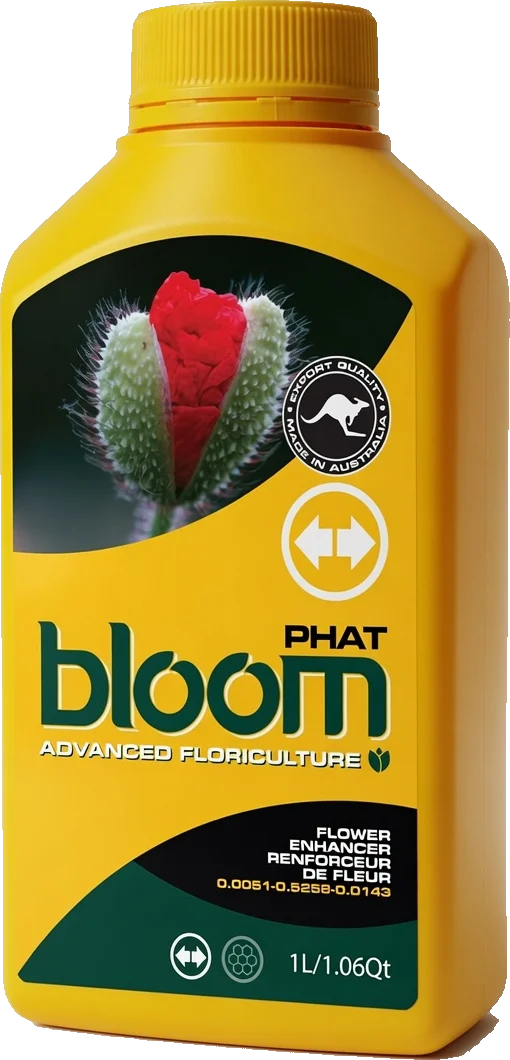
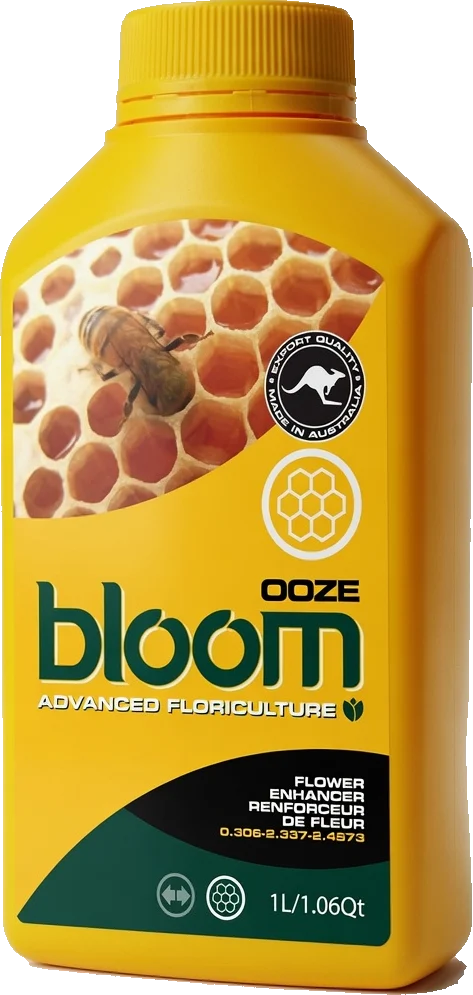
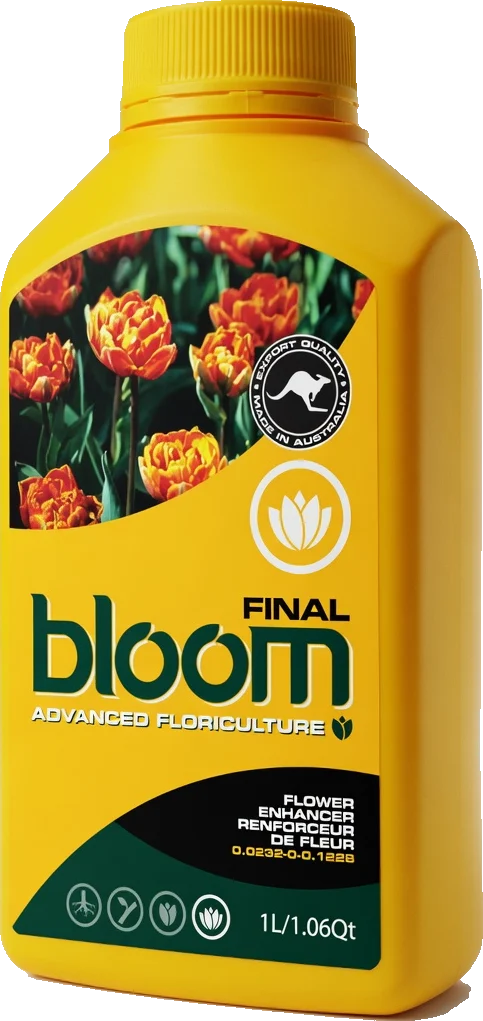
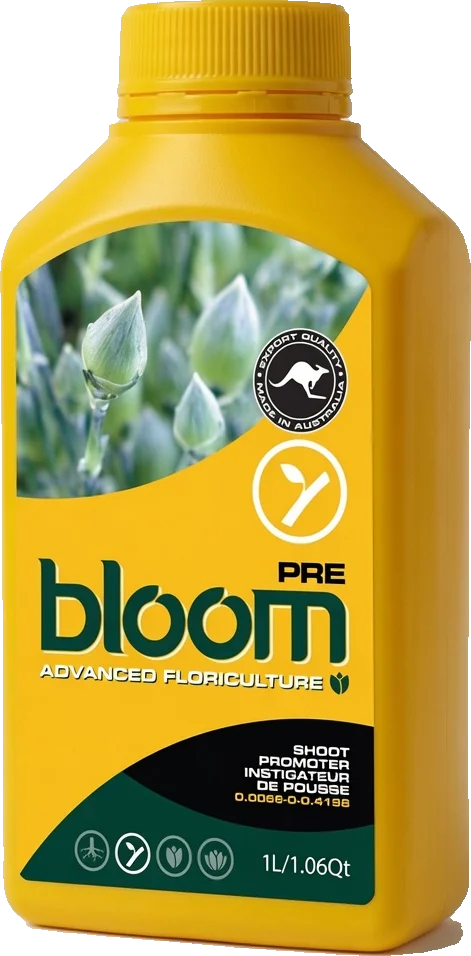
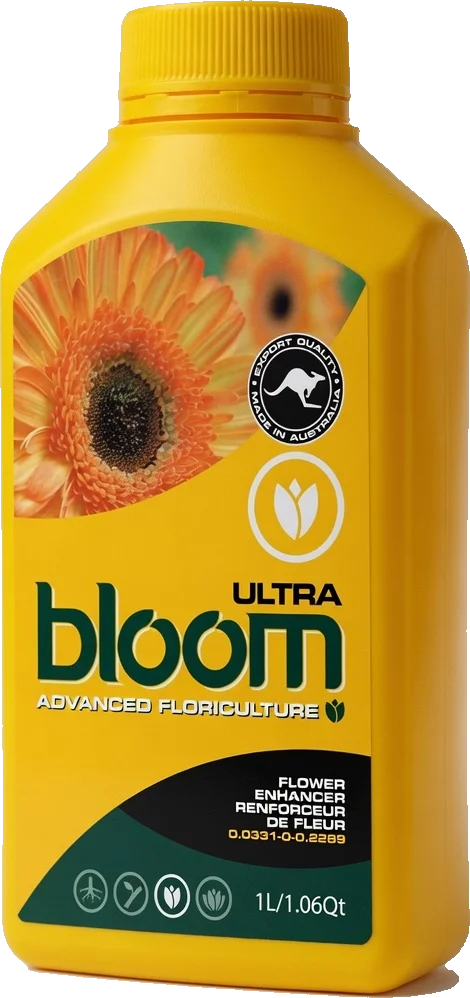
What it does. Pre in mid veg, Ultra at the flip, Phat in flower weeks 3 and 4, Ooze from week 5 through the flush, Final for the last two weeks alongside Ooze. 1–2.5 ml/L, all weekly. These are timing tools, so there’s no study cited for them here.
How it stacks. Stonington Blend Grower’s Mix is pre-fertilized and its page says to feed as needed with their dry plant food. Bloom’s stage bottles go in the water on top, week by week (our read: watch runoff and leaf colour as you add).
Humic acid in a compost-rich mix
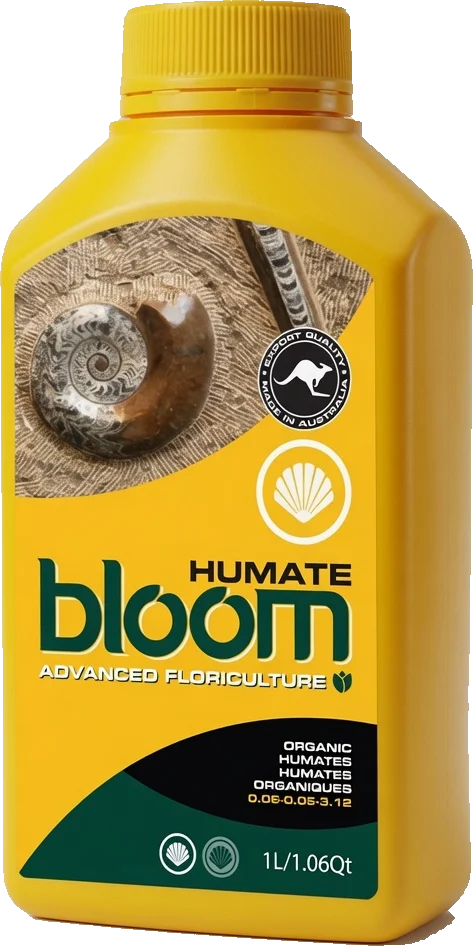
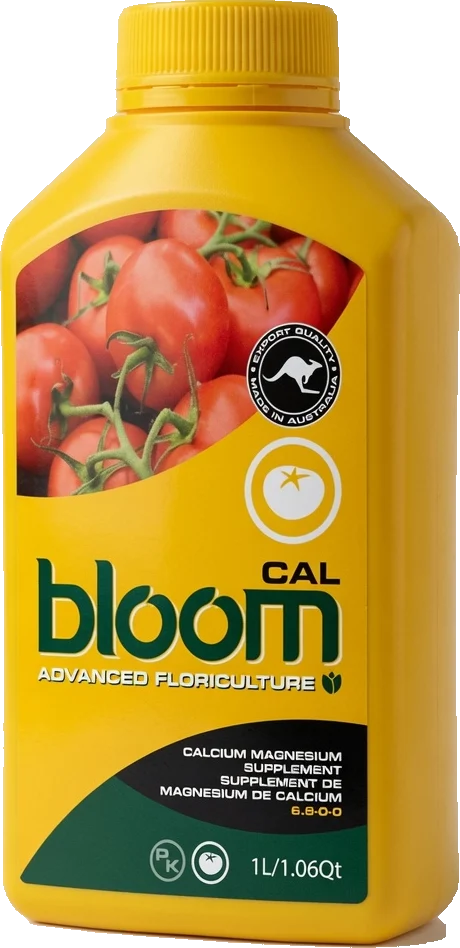
What it does. Humate is 10% humic acid at 2.5 ml/L weekly, seedling through flush. Cal-Mag is 1 ml/L weekly through grow and bloom.
A major review links humic substances to changes in root structure, including more lateral roots, and to nutrient uptake. It doesn’t test either company’s products.
How it stacks. Their mixes bring compost and castings. Humate and Cal-Mag add a measured weekly liquid dose on top (our read).
Silica added first
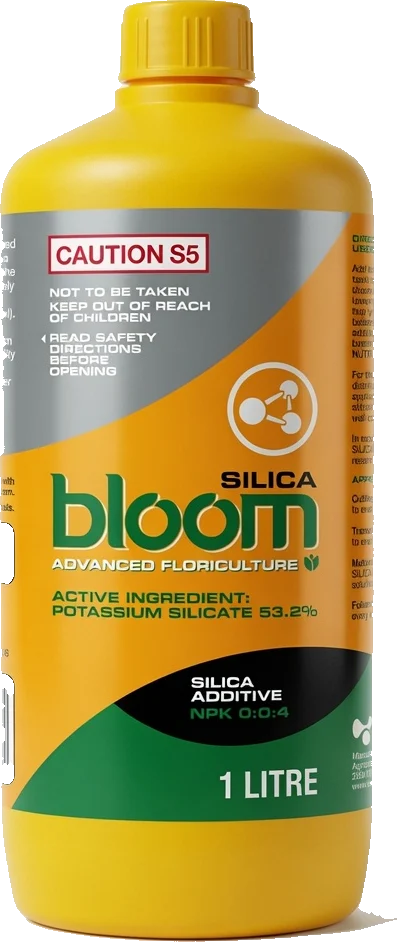
What it does. Silica is potassium silicate at 0.33 ml/L weekly, added first, veg through early flower, tapering in late bloom.
A 2017 review covers how silicon eases salt, drought and heavy-metal stress and helps against fungal infection. It’s general plant science and doesn’t test Bloom’s Silica.
How it stacks. Coast of Maine’s product list has no silica. It goes in the water before anything else, so it doesn’t touch the soil plan (our read).
Put it side by side
Where both ranges have a product for the same job, the fair answer is a test in your own room. Here’s what to watch and how to keep it fair.
Keeping it fair
- Same plants. Clones off the same mother, same cultivar, same age.
- Same room. Same light, climate, media, pot size and watering.
- Same base. Keep the base feed and EC the same on both sides.
- One change. Change only the product being tested, and write down what you see each week.
Already covered
- Soils and mixes. Stonington, Bar Harbor, Castine, Cobscook, Penobscot and Sprout Island blends.
- Compost and castings. Quoddy lobster compost, Schoodic manure, Wiscasset castings.
- Dry plant food. Stonington Plant Food, fish bone, lobster and kelp meal, crop blends.
- Liquid. Liquid Squid for indoor and hydro use.
Stays exactly as is
- Every soil and compost bag. Bloom has no growing media.
- The dry plant foods. Bloom has no dry products.
- Mulches. Untouched by anything Bloom sells.
- Liquid Squid and Kelp Meal. If they’re working, keep them, or test Bloom’s next to them.
Background, science and sources
Who Coast of Maine are
Coast of Maine Organic Products was founded in early 1996 in Marion Township, Downeast Maine. Its about page says it started in partnership with Great Eastern Mussel Farms and manages a composting facility owned by Washington County.
The range is soils and mixes named after Maine places, lobster compost, composted manure, earthworm castings, mulches, dry plant foods and amendments built on lobster, crab, fish and kelp, and Liquid Squid. Several products link to OMRI certificates. Their site has a Find Local store locator and a quantity calculator.
Sources: Home · About · Fertilizers and amendments
What each company brings
Coast of Maine: Ocean-based organic soils, compost, castings and mulches, dry plant foods with lobster, crab, fish and kelp, a squid liquid, and a retail store network.
Bloom: one additive for each stage of the crop, seaweed, humic and sea mineral inputs, foliar sprays, and weekly feed charts for soil, coco and hydro. Rates and timing are on every product page.
Cropping Solutions, the other brand under Agricultural Organics, isn’t part of this report.
Dose basis: how each side counts
Liquid Squid prints 1 ounce (2 tablespoons) per US gallon, every 3 or 4 weeks indoors. At 3.785 L to the gallon, that’s about 7.8 ml/L. The dry foods are measured by teaspoon, cup and pound per pot or area.
Bloom’s additives are ml per litre on a weekly chart. The analyses differ too, so bottle volume on its own isn’t a like-for-like dose.
Mix calculator
Rates as printed on each company’s page (1 US gallon is 3.785 L). Bloom’s rates are per litre of nutrient solution, dosed weekly per its feed charts. Pick a product and your tank size.
Seaweed extracts as biostimulantsWell supported
Ali and colleagues (2021) review seaweed extracts in crops: germination, root growth, nutrient uptake, flowering and yield, and tolerance to drought, salinity and cold.
Why it matters here: Coast of Maine’s Kelp Meal and plant food carry kelp; Bloom’s Seaweed and Seafuel are kelp based. The review doesn’t test either company’s products.
Marine protein hydrolysatesEmerging
Malécange and colleagues (2023) review protein hydrolysates as biostimulants, including links to nitrogen and mineral uptake. Much of the work is recent.
Why it matters here: Liquid Squid is a squid protein hydrolysate and Seafuel is tuna and kelp. The review doesn’t test either one.
Sources, all viewed 5 November 2026
Coast of Maine: Home · About · All products · Fertilizers and amendments · Stonington Blend Grower’s Mix · Stonington Plant Food · Kelp Meal · Liquid Squid · Wiscasset castings
Bloom: Roots · Pre · Ultra · Phat · Ooze · Final · Seafuel · Seaweed · SWTNR · Humate · Cal-Mag · Groigen · Florigen · Sea Minerals · PK · Euro · Grow · Flower · Silica · OrganiShield
Last checked 5 November 2026. Public information only. Not affiliated with, endorsed by or approved by Coast of Maine; product names belong to their owners. Please confirm current details with the manufacturer. Corrections: nathan@bloomyellowbottles.com. All Fit Reports