
Dynomyco and Bloom
Dynomyco makes two mycorrhizal inoculants and says plainly it isn’t a fertilizer. Bloom makes no inoculant. So this one’s about stacking, not choosing.
Last checked 5 November 2026 · Public information only
This Fit Report is a summary of publicly available information about Dynomyco and its products, taken from their own website, labels and published material as of 5 November 2026. We’ve linked each source so you can check it yourself. Rates are as printed on each company’s own pages; we don’t show prices. It isn’t affiliated with, endorsed by or approved by Dynomyco, and product names belong to their owners. Products, rates and claims change, so please confirm current details with the manufacturer before making any decision. Spotted something out of date? Email nathan@bloomyellowbottles.com and we’ll correct it.
Two products for the roots, and the whole feed around them.
Dynomyco’s range is Granular at seeding, cuttings and transplant, then Spark WP through veg. Their FAQ says it isn’t a fertilizer. That leaves the feed itself open: a base, kelp, humic, minerals and a bottle per stage. That’s what Bloom does, weekly, in the same root zone.
- Stays as is: Dynomyco Granular and Spark WP.
- Both have one: nothing. There’s no product overlap between the ranges.
- Not on their list: a base feed, tonics, humic, minerals, stage additives and foliars.
Why each one fits
What the Bloom product does, the research behind that kind of input, and where it sits in a program that already runs.
Humate and Roots beside the fungi
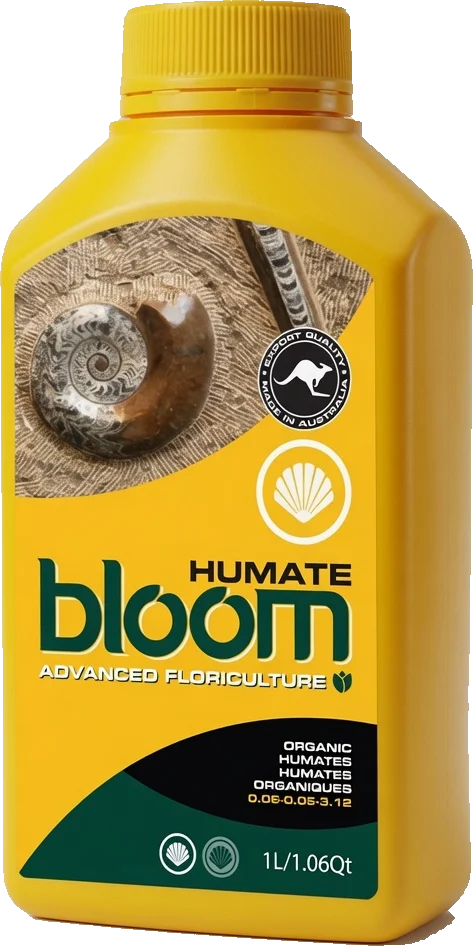
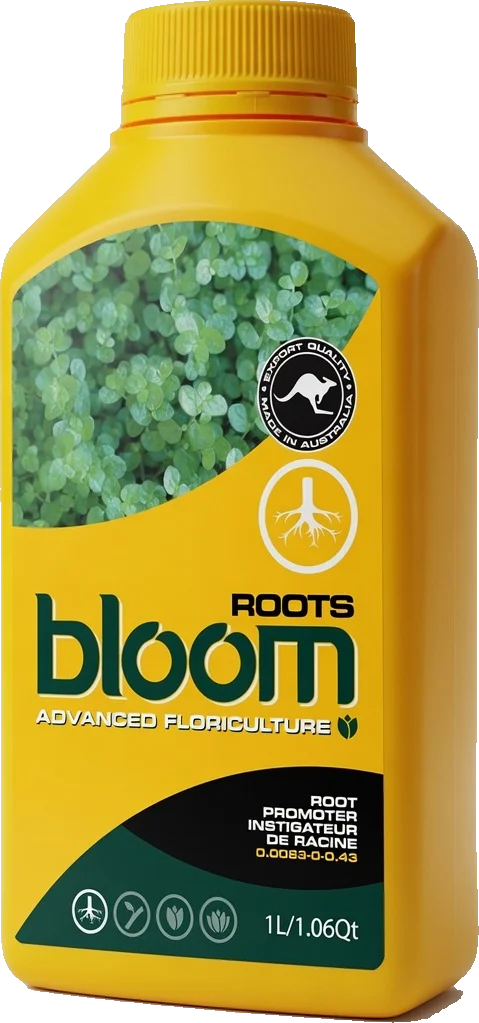
What it does. Humate is 10% humic acid at 2.5 ml/L weekly, seedling through flush. Roots is amino acids, B vitamins and fulvic acid at 0.5 ml/L weekly, or 1 ml/L as a cutting dip, stopping in the final 1–2 weeks.
A 2018 review looks at pairing mycorrhizal fungi and other microbes with humic, seaweed and protein inputs. It says the mix could add up to more than each alone, but published data on those pairings is still limited. A separate review links humic substances to more lateral roots. Neither tests these products.
Rouphael and Colla (2018), Front. Plant Sci. (review) · Canellas et al. (2015), Scientia Horticulturae (review)
How it stacks. Granular goes in at the cutting or transplant. Roots can go in the same week as a dip or in the feed, and Humate runs weekly from seedling. Dynomyco’s FAQ points growers to its compatibility tool; check it before you combine anything (our read).
The feed under the inoculant
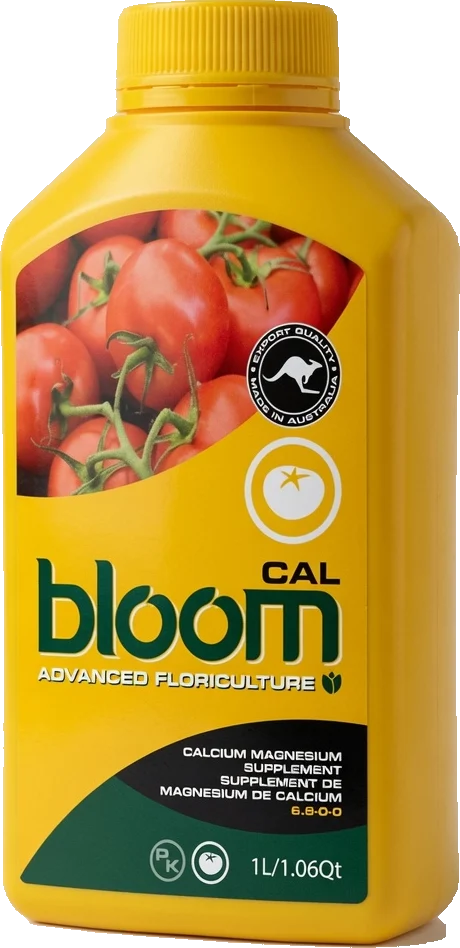
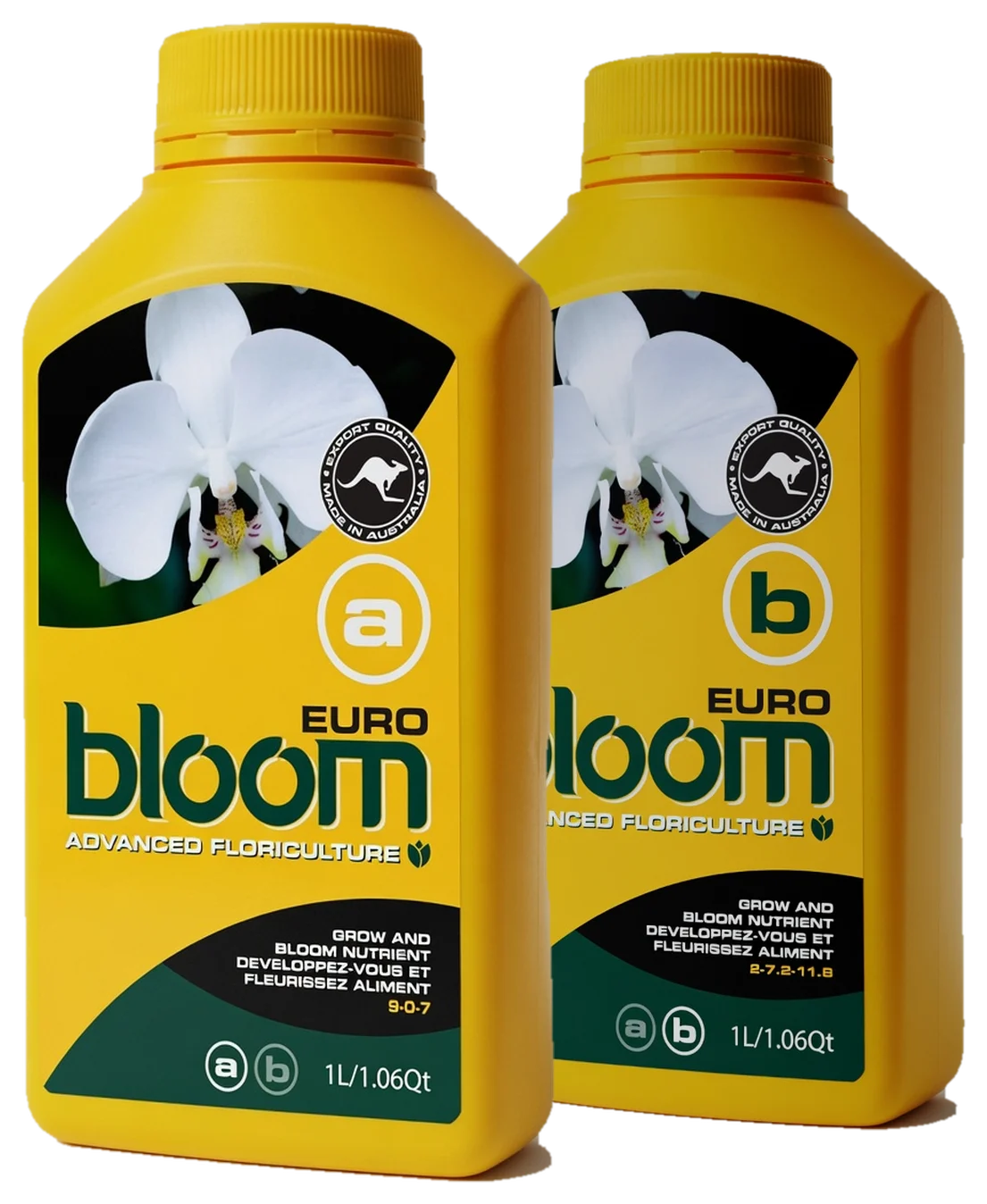
What it does. Euro A+B runs veg to bloom at 1–2 ml/L each part. Cal-Mag is calcium and magnesium with iron and zinc at 1 ml/L weekly, and works in soil, coco and hydro.
How it stacks. Dynomyco’s FAQ says it isn’t a fertilizer and that it needs a growing medium for the fungi to take. A two-part base in soil or coco is the feed underneath (our read: start low on the base while roots colonise, and watch runoff).
Flower, after the inoculant
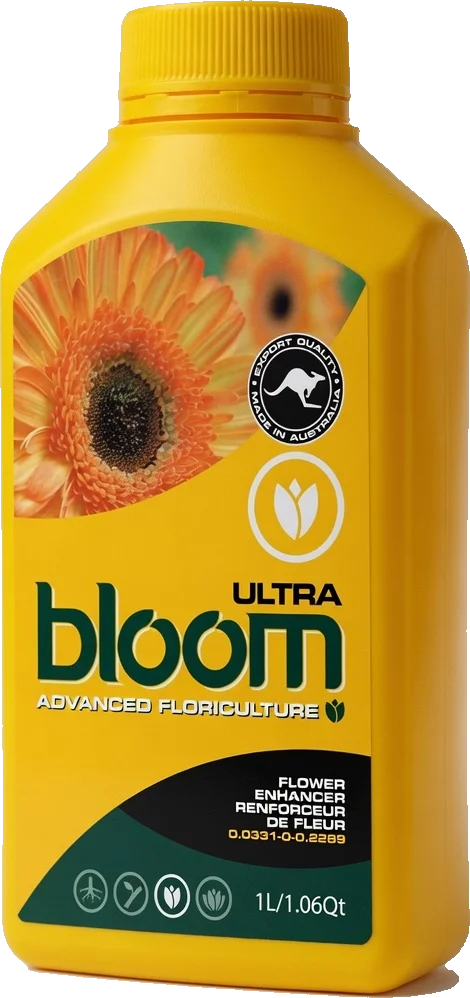
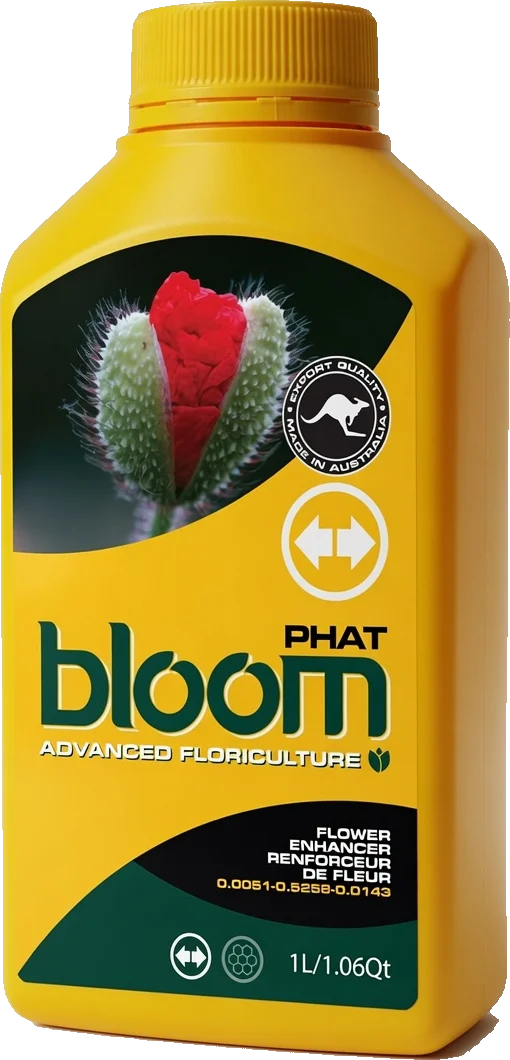
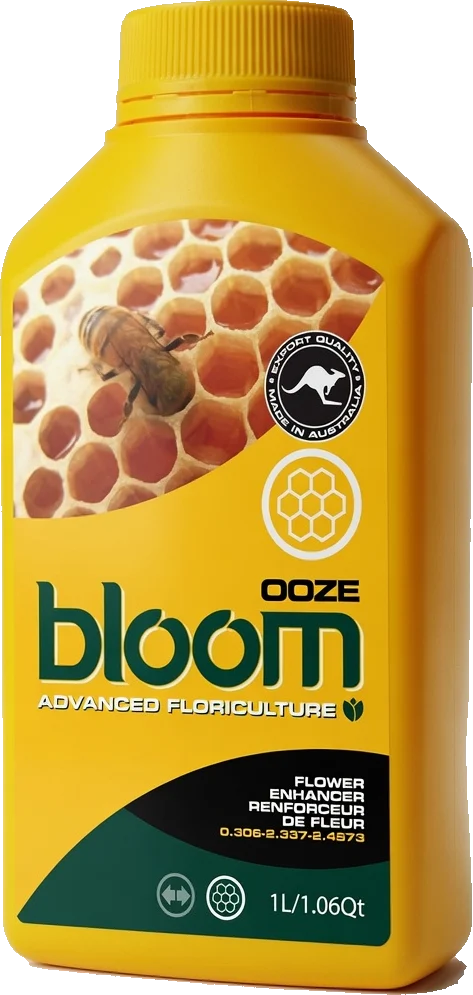
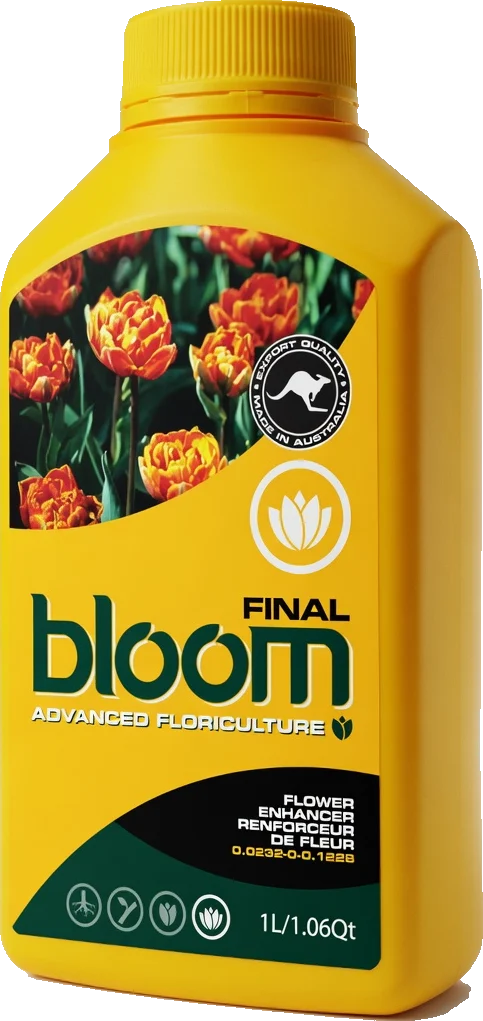
What it does. Ultra at the flip (flower weeks 1–2), Phat in weeks 3 and 4, Ooze from week 5 through the final flush, and Final for the last two weeks alongside Ooze. 1–2.5 ml/L, weekly. These are timing tools, so there’s no study cited for them here.
How it stacks. Dynomyco’s own pages put Granular at the start and Spark WP through veg. Bloom’s flower bottles run after that, so the two schedules follow on from each other (our read).
Kelp and tuna through the cycle
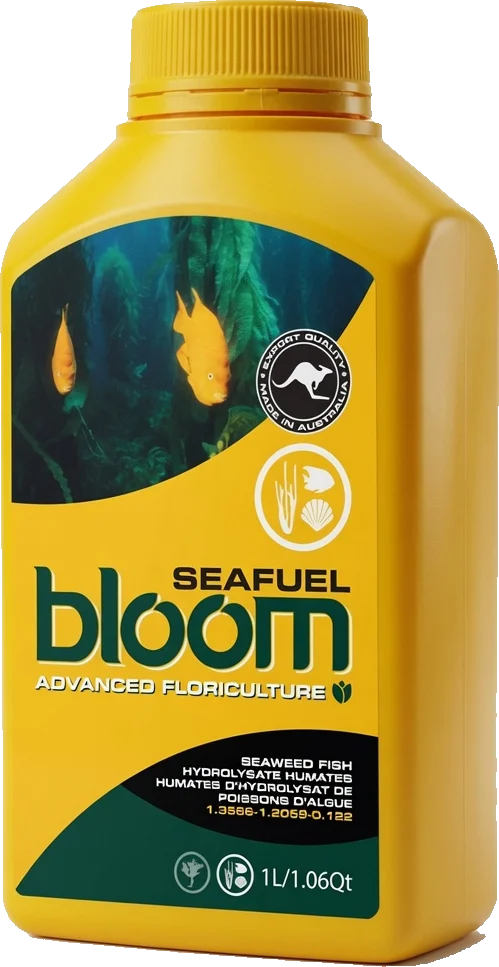
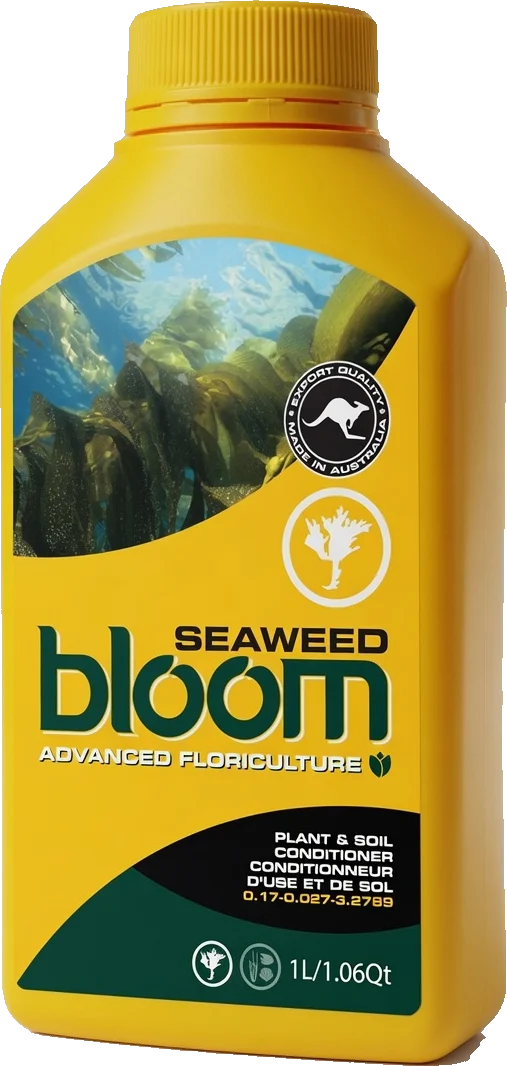
What it does. Seaweed is southern bull kelp; Seafuel is tuna and kelp. Both run at 1 ml/L weekly: Seaweed from seedling through the flush, Seafuel from clone through late flower, tapering at the flush.
A 2021 review reports seaweed extracts affect growth and stress tolerance across many crops. It doesn’t test either company’s products.
How it stacks. Small weekly doses in the same water as Spark WP during veg. Our read: mix Spark first on its own, then add Bloom’s tonics, and check both labels.
Where each bottle sits in the cycle
Dynomyco’s timing in grey, Bloom’s in yellow, across shared stages of the grow.
| Stage | Root | Veg | Flip | 3–4 | 5+ | Last 2 | Flush |
|---|---|---|---|---|---|---|---|
| Dynomyco, per their pages | |||||||
| Granular (seed, cutting, transplant) | |||||||
| Spark WP (through veg) | |||||||
| Bloom, per Bloom’s weekly feed charts | |||||||
| Roots | |||||||
| Pre | |||||||
| Ultra | |||||||
| Phat (weeks 3 and 4) | |||||||
| Ooze (wk 5 to flush) | |||||||
| Final (with Ooze) | |||||||
| Seafuel | |||||||
| Seaweed · Humate · Sea Minerals | |||||||
| SWTNR | |||||||
| Cal-Mag | |||||||
| Groigen (foliar, as needed) | |||||||
| Florigen (foliar, as needed) | |||||||
| PK (as needed) | |||||||
| Silica | |||||||
Timing comes from Dynomyco’s home page: Granular at seeds, seedlings, cuttings and transplant, Spark WP from early to late veg. Their pages don’t print a repeat interval. Bloom’s bars follow its weekly feed charts; pale Bloom bars are as-needed bottles.
Where the programs complement each other
Their inoculant, Bloom’s feed
Dynomyco says it isn’t a fertilizer. Euro A+B, Cal-Mag and Bloom’s weekly tonics feed the crop the fungi are colonising, with no product doubled up.
Granular, then Roots and Humate
Granular goes on at the cutting or transplant. Roots and Humate are weekly root-zone inputs from that same week on (our read: check their compatibility tool first).
Spark through veg, Bloom through flower
Their schedule ends in veg. Ultra, Phat, Ooze and Final carry the plan from the flip to the flush.
Their line, Bloom’s fit at a glance
Matched on job. Dynomyco prints rates per plant or per US gallon in grams. Bloom prints ml per litre on a weekly feed chart. Tap a tag to filter.
Goes on at seeds, seedlings, cuttings and transplant. Bloom’s feed runs around it.
Goes in by drench or fertigation through veg. Stays on their schedule.
The feed under the inoculant, veg through bloom.
10% humic acid, and amino acids, B vitamins and fulvic acid in the root zone.
Southern bull kelp, and a tuna and kelp tonic, through the cycle.
Calcium and magnesium for soil, coco or hydro, and potassium silicate added first.
Trace minerals from sea water, and carbohydrates and potassium from veg week 2.
One bottle for mid veg, the flip, mid flower, late flower and the finish.
Leaf sprays for veg and the flip, every few days as needed, off the root zone.
Already covered
- Mycorrhizae at the start. Dynomyco Granular at seeds, seedlings, cuttings and transplant.
- Mycorrhizae through veg. Spark WP by drench or fertigation.
- Certifications. Their site links OMRI, ECOCERT and CDFA-OIM documents.
- Support. Grower guides for soil, coco, living beds and rockwool, plus a compatibility tool.
Stays exactly as is
- Granular. Bloom makes no inoculant.
- Spark WP. Stays on their veg schedule.
- Their compatibility tool. Worth checking before adding anything to a tank with Spark.
- Their media guidance. Their FAQ says the fungi need a growing medium to take.
Background, science and sources
Who Dynomyco are
Dynomyco makes mycorrhizal inoculants. Its About page traces the science to research on arbuscular mycorrhizal fungi in the 1990s, with the company founded in the mid-2010s by biologists and entrepreneurs. Granular launched in North America in 2018 and Spark WP in 2023. Leaders named on the site are CEO Alon Werber, Chief Growth Officer Dan Grotsky and CTO Danny Levy.
Its pages say it produces its fungi in-house and sells through more than 400 retail outlets, with US distribution through HTG Supply since 2025. It ships to the US, Canada, the UK, Spain and Germany, and markets to home growers and commercial greenhouses.
Sources: Home · About · Who we are · FAQ
What each company brings
Dynomyco: Two mycorrhizal inoculants, one granular and one wettable powder, with high propagule counts, OMRI, ECOCERT and CDFA-OIM documents, grower guides by medium and a compatibility tool.
Bloom: one additive for each stage of the crop, seaweed, humic and sea mineral inputs, foliar sprays, and weekly feed charts for soil, coco and hydro. Rates and timing are on every product page.
Cropping Solutions, the other brand under Agricultural Organics, isn’t part of this report.
Dose basis: how each side counts
Dynomyco prints its rates in grams: 1 tsp (5 g) per plant for Granular, 1 tsp (3.2 g) per US gallon for Spark WP, which is about 0.85 g per litre. Bloom prints ml per litre on a weekly feed chart.
One side is a dry inoculant and the other is liquid feed, so the numbers don’t compare. They’re doing different jobs in the same root zone.
Mix calculator
Rates as printed on each company’s page (1 US gallon is 3.785 L). Bloom’s rates are per litre of nutrient solution, dosed weekly per its feed charts. Pick a product and your tank size.
Mycorrhizal fungi and the plantWell supported
Begum and colleagues (2019) review arbuscular mycorrhizal fungi. They report the fungi boost uptake of nutrients, phosphate in particular, and help plants handle heat, salt and drought.
Why it matters here: Dynomyco’s inoculants are arbuscular mycorrhizal fungi. The review is general plant science and doesn’t test Dynomyco or Bloom.
Last checked 5 November 2026. Public information only. Not affiliated with, endorsed by or approved by Dynomyco; product names belong to their owners. Please confirm current details with the manufacturer. Corrections: nathan@bloomyellowbottles.com. All Fit Reports