
General Hydroponics and Bloom
General Hydroponics on the left, Bloom on the right, matched on the job each bottle does. GH has a bottle for most jobs, so this one’s mostly about where the two ranges meet.
Last checked 5 November 2026 · Public information only
This Fit Report is a summary of publicly available information about General Hydroponics and its products, taken from their own website, labels and published material as of 5 November 2026. We’ve linked each source so you can check it yourself. Rates are as printed on each company’s own pages; we don’t show prices. It isn’t affiliated with, endorsed by or approved by General Hydroponics, and product names belong to their owners. Products, rates and claims change, so please confirm current details with the manufacturer before making any decision. Spotted something out of date? Email nathan@bloomyellowbottles.com and we’ll correct it.
A big range, and two jobs it leaves open.
GH’s product list runs from base lines through root, kelp, carbs, humic, cal-mag, silica, bloom boosters, finishers, pH, cleaners and pest control. So most rows on this page are both-have-one. The two jobs we couldn’t find on their list are a mid-veg and flip additive, and a foliar nutrient spray.
- Stays as is: your GH base line, pH Up and pH Down, FloraKleen and TrueFlo.
- Both have one: root, kelp, carbs, humic, cal-mag, silica, PK, late flower, finish and pest control.
- Not on their list: a mid-veg and flip additive, and foliar sprays.
General Hydroponics and Bloom in short
Your GH base line, pH Up and pH Down, FloraKleen and TrueFlo.
Ten jobs where both ranges have a bottle: root, kelp, carbs, humic, cal-mag, silica, PK, late flower, finish and pest.
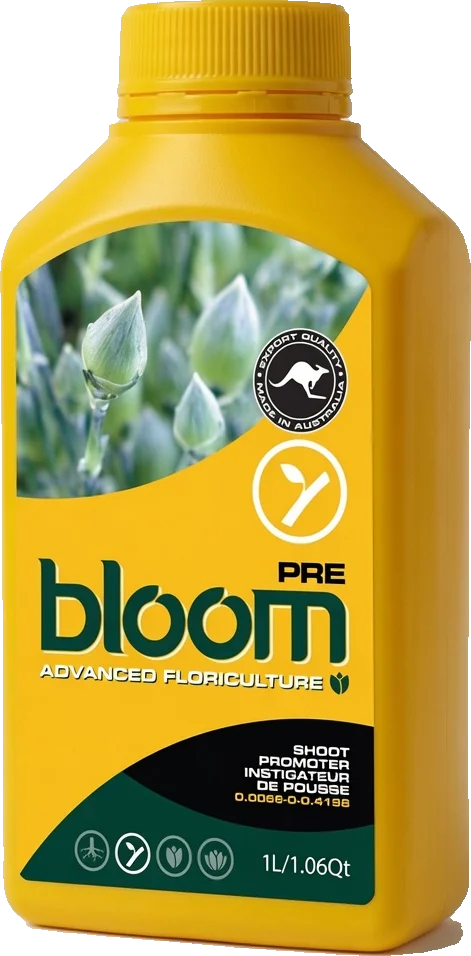
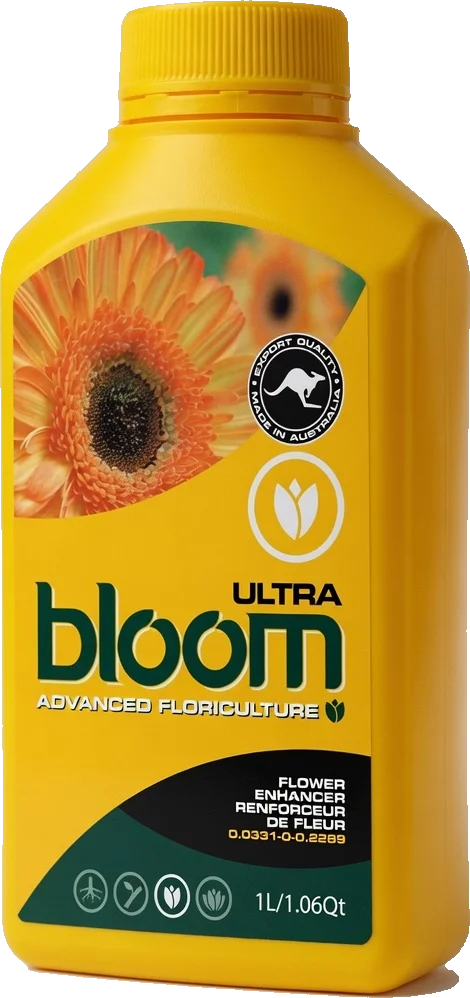
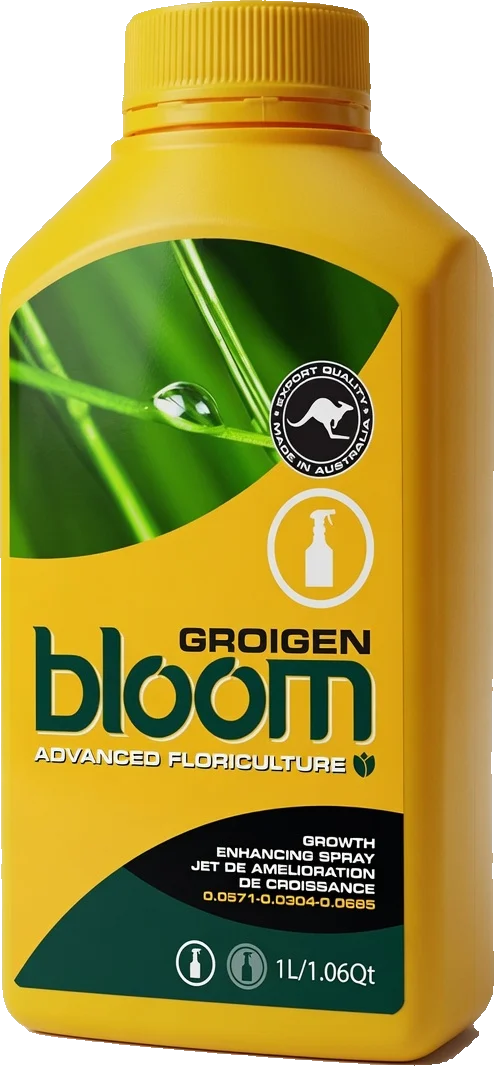
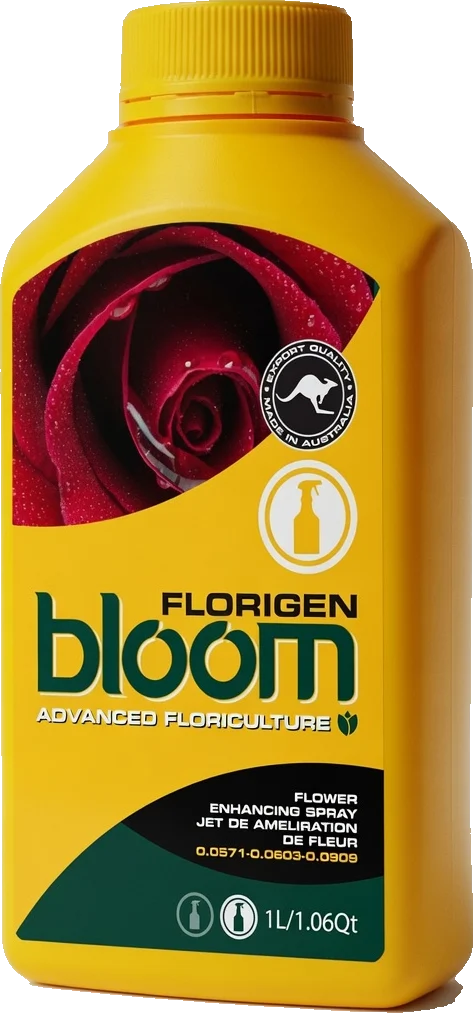
Pre and Ultra for mid veg and the flip, plus Groigen and Florigen as foliar sprays.
Their line, Bloom’s fit at a glance
Matched on job, not NPK. GH prints rates per US gallon, Bloom per litre on a weekly feed chart. Tap a tag to filter.
Keep your base. Bloom’s additives sit on top of whichever GH line you run.
Both are root products. RapidStart runs weeks 1–6 on GH’s 10-Part chart. Run one, or test them side by side.
Both are P and K. KoolBloom runs early to late bloom; Bloom’s PK is an as-needed bottle at peak bloom. Plan the stack, or pick one.
Same late-flower window. Theirs list potassium salts; Ooze lists plant extracts, fulvic acid, vitamins and amino acids.
Same finishing window. GH’s Ripen page says most growers cut back or drop the base then. Pick which finisher owns those weeks.
Both bring seaweed. Floralicious lists Ascophyllum and plant proteins; Seaweed is southern bull kelp, Seafuel is tuna and kelp.
Both put carbohydrates in the tank. SWTNR adds potassium too. Run one, or test them.
Both are humic. Humate is 10% humic acid; GH’s page calls theirs low molecular weight humics.
Same job. Bloom’s lists iron and zinc as well. Run one and watch EC.
Same job, same mixing order. Run one silica, not two.
Both on the pest side. Rotate as each label allows.
Bloom has no pH, flush or line-cleaning products, so these stay.
Pre in mid veg, weeks 2–3. Ultra at the flip, flower weeks 1–2.
GH’s feed products go in the reservoir. These go on the leaf, every few days as needed.
Put it side by side
Where both ranges have a product for the same job, the fair answer is a test in your own room. Here’s what to watch and how to keep it fair.
Keeping it fair
- Same plants. Clones off the same mother, same cultivar, same age.
- Same room. Same light, climate, media, pot size and watering.
- Same base. Keep the base feed and EC the same on both sides.
- One change. Change only the product being tested, and write down what you see each week.
Where each bottle sits in the cycle
General Hydroponics’s timing in grey, Bloom’s in yellow, across shared stages of the grow.
| Stage | Root | Veg | Flip | 3–4 | 5+ | Last 2 | Flush |
|---|---|---|---|---|---|---|---|
| General Hydroponics, per their pages | |||||||
| FloraMicro · FloraGro · FloraBloom | |||||||
| RapidStart | |||||||
| CALiMAGic | |||||||
| Floralicious Plus · Armor Si | |||||||
| Liquid KoolBloom | |||||||
| Ripen | |||||||
| FloraKleen | |||||||
| Bloom, per Bloom’s weekly feed charts | |||||||
| Roots | |||||||
| Pre | |||||||
| Ultra | |||||||
| Phat (weeks 3 and 4) | |||||||
| Ooze (wk 5 to flush) | |||||||
| Final (with Ooze) | |||||||
| Seafuel | |||||||
| Seaweed · Humate · Sea Minerals | |||||||
| SWTNR | |||||||
| Cal-Mag | |||||||
| Groigen (foliar, as needed) | |||||||
| Florigen (foliar, as needed) | |||||||
| PK (as needed) | |||||||
| Silica | |||||||
Drawn from GH’s FloraSeries 10-Part medium program: 13 weeks, Ripen in weeks 11–12, a FloraKleen flush in week 13. CALiMAGic drops to a lower rate in weeks 9–10, so it’s pale there. Fitting GH’s weeks to these columns is our read. Bloom’s bars follow its weekly feed charts; pale Bloom bars are tapers or as-needed bottles.
Where the programs complement each other
Plan the Ripen weeks
GH’s 10-Part chart drops CALiMAGic, Floralicious Plus and Armor Si in weeks 11–12, trims the base and runs Ripen, then FloraKleen. Final and Ooze also run in Bloom’s last weeks, so a grower picks which finisher owns them.
Foliar on top of a reservoir program
Every GH feed product on their list goes in the tank (our read). Groigen and Florigen are sprayed lights off at 20 ml/L, every few days as needed, so the chart’s EC targets stay put.
A humic slot on the 10-Part chart
Diamond Nectar is in GH’s range but isn’t on the 10-Part program. A grower adding a humic to that chart picks Diamond Nectar at 5 ml/gal, or Humate at 2.5 ml/L weekly, not both.
Why each one fits
What the Bloom product does, the research behind that kind of input, and where it sits in a program that already runs.
Mid veg and the flip
What it does. Pre runs in mid veg (weeks 2–3) and Ultra at the flip (flower weeks 1–2), 1 ml/L each, weekly. These are timing tools, so there’s no study cited for them here.
How it stacks. GH’s 10-Part chart moves from growth weeks into early bloom with the base, CALiMAGic, Floralicious Plus, RapidStart and Armor Si running. Pre and Ultra go into those same weeks on top (our read: check runoff EC when you add anything).
Foliar sprays outside the tank
What it does. Groigen for seedling through veg, Florigen from the stretch to early bloom, stopping once buds set. Both at 20 ml/L, sprayed lights off, every few days as needed.
How it stacks. They don’t touch the reservoir, so the EC targets on GH’s charts stay as printed (our read). GH’s Terpinator page says it must never be used as a foliar spray, so keep tank products and sprays apart.
Two kelp sources, one plan
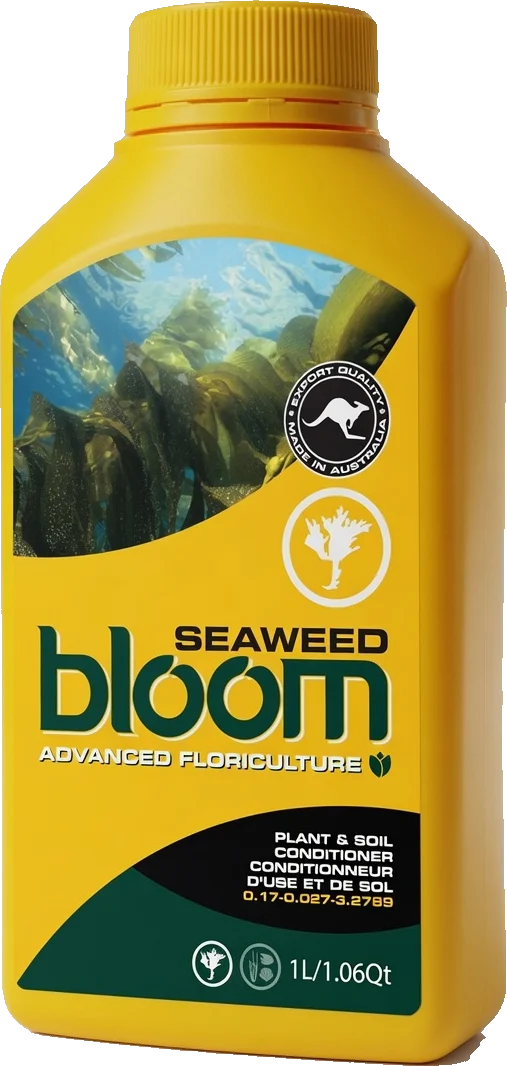
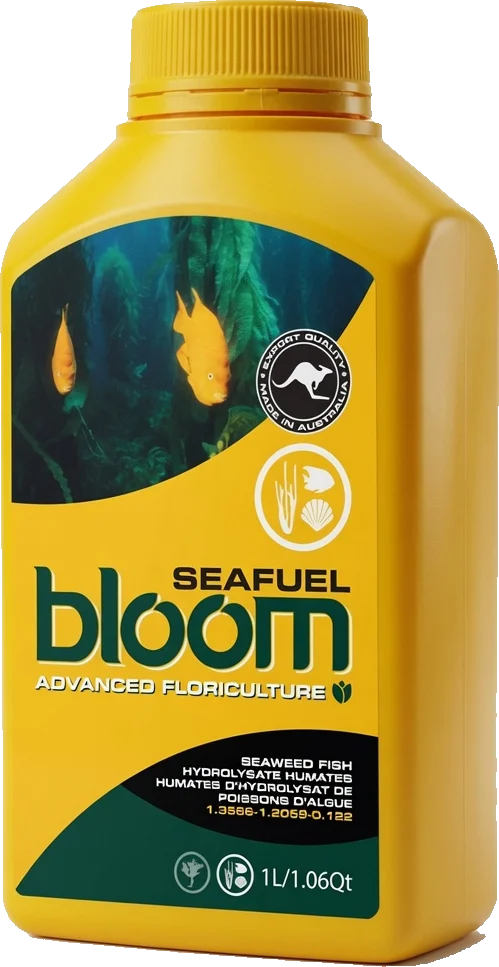
What it does. Seaweed is southern bull kelp, Seafuel is tuna and kelp, 1 ml/L each weekly. Floralicious Plus lists Ascophyllum nodosum and plant protein hydrolysates.
Reviews of seaweed extracts report effects on growth and stress tolerance across many crops. Work on protein hydrolysates is newer and links them to nutrient uptake, mostly under stress. None of it tests these bottles.
Ali et al. (2021), Plants (review) · Malécange et al. (2023), Int J Mol Sci (review)
How it stacks. Floralicious stops at ripening and flush on GH’s page. Seaweed runs through the flush. A grower could run one kelp source, or test them side by side on the same base (our read).
Already covered
- Base feed. FloraSeries, FloraNova, Maxi Series and FloraPro, each with a feed program.
- Root, kelp, carbs and humic. RapidStart, BioRoot, Floralicious Plus, FloraBlend, FruitnFusion and Diamond Nectar.
- Cal-mag and silica. CALiMAGic and Armor Si.
- Bloom and finish. Liquid KoolBloom, Terpinator, Purpinator, Ripen and dry KoolBloom.
- Pest control. AzaMax and TriShield.
Stays exactly as is
- Your GH base line. Bloom’s additives go in around it.
- pH Up and pH Down. Bloom doesn’t make pH adjusters.
- FloraKleen. Bloom has no clearing solution.
- TrueFlo. Bloom has no line cleaner.
- Any both-have-one bottle that’s working. Keep it, or test Bloom’s next to it.
Background, science and sources
Who General Hydroponics are
General Hydroponics started in 1976 in a Berkeley, California garage, founded by Lawrence Brooke. Their About page speaks to home growers and hobbyists, and to commercial cultivators including multi-state operators and licensed producers.
The range is base lines (FloraSeries, FloraNova, Maxi Series, FloraPro), a General Organics line, supplements, bloom and finish additives, pH control, cleaning products and pest control. Their site has feed programs for each line, a retailer locator, and a Shop Now link out to a retailer.
Sources: About us · All products · 10-Part feed program
What each company brings
General Hydroponics: Base lines with a feed program for each, root, kelp, carb and humic additives, cal-mag, silica, bloom boosters and finishers, pH and cleaning products, and pest control.
Bloom: one additive for each stage of the crop, seaweed, humic and sea mineral inputs, foliar sprays, and weekly feed charts for soil, coco and hydro. Rates and timing are on every product page.
Cropping Solutions, the other brand under Agricultural Organics, isn’t part of this report.
Dose basis: how each side counts
GH prints rates in ml per US gallon. At 3.785 L to the gallon, CALiMAGic’s 5 ml/gal is about 1.3 ml/L, Diamond Nectar’s 5 ml/gal is about 1.3 ml/L, Armor Si’s 1–2 ml/gal is about 0.26–0.53 ml/L and Liquid KoolBloom’s 1 ml/gal is about 0.26 ml/L. Bloom prints ml per litre on a weekly feed chart.
GH’s CALiMAGic page says every watering for coco and hydro, and Diamond Nectar and Floralicious Plus say your regular feeding schedule. Bloom’s rates are weekly, so the same number on each side isn’t the same weekly amount.
Mix calculator
Rates as printed on each company’s page (1 US gallon is 3.785 L). Bloom’s rates are per litre of nutrient solution, dosed weekly per its feed charts. Pick a product and your tank size.
Humic and fulvic substancesWell supported
A 2015 review in Scientia Horticulturae links humic substances to changes in root structure and function tied to nutrient uptake, including more lateral roots.
Why it matters here: Diamond Nectar and Humate both sit in this lane. The review backs the humic job in general; it doesn’t test either product, so a grower runs one humic input at its printed rate.
Potassium in the plantWell supported
Hasanuzzaman and colleagues (2018) review potassium’s roles: enzyme activation, stomatal control, photosynthesis and carbohydrate metabolism, plus tolerance to drought, salt and heat.
Why it matters here: Liquid KoolBloom, Terpinator, Ripen and Bloom’s PK all carry potassium in flower. Stacking them means adding up the K from each, so check EC before running more than one.
SiliconEmerging
A 2017 Frontiers editorial rounds up silicon research. It’s often linked with stress tolerance, but the authors say there’s no conclusive evidence for exactly how, and uptake varies a lot with species and source.
Why it matters here: Armor Si and Silica do the same job and both go in first. With the evidence still building, one silica product at its printed rate is the sensible plan.
Deshmukh, Ma and Bélanger (2017), Frontiers in Plant Science (editorial)
Sources, all viewed 5 November 2026
General Hydroponics: About us · All products · FloraSeries 10-Part feed program · FloraMicro · RapidStart · BioRoot · Liquid KoolBloom · KoolBloom (dry) · Ripen · Terpinator · Purpinator · Floralicious Plus · FloraBlend · FloraNectar FruitnFusion · Diamond Nectar · CALiMAGic · Armor Si · AzaMax · TriShield · FloraKleen · TrueFlo
Bloom: Roots · Pre · Ultra · Phat · Ooze · Final · Seafuel · Seaweed · SWTNR · Humate · Cal-Mag · Groigen · Florigen · Sea Minerals · PK · Euro · Grow · Flower · Silica · OrganiShield
Last checked 5 November 2026. Public information only. Not affiliated with, endorsed by or approved by General Hydroponics; product names belong to their owners. Please confirm current details with the manufacturer. Corrections: nathan@bloomyellowbottles.com. All Fit Reports