
Silica Earth and Bloom
Silica Earth mills one thing really well: volcanic silica, straight off their own farm. Here’s how that sits next to Bloom’s weekly liquids.
Last checked 5 November 2026 · Public information only
This Fit Report is a summary of publicly available information about Silica Earth and its products, taken from their own website, labels and published material as of 5 November 2026. We’ve linked each source so you can check it yourself. Rates are as printed on each company’s own pages; we don’t show prices. It isn’t affiliated with, endorsed by or approved by Silica Earth, and product names belong to their owners. Products, rates and claims change, so please confirm current details with the manufacturer before making any decision. Spotted something out of date? Email nathan@bloomyellowbottles.com and we’ll correct it.
Their mineral goes in once, Bloom’s bottles go in weekly.
Silica Earth’s range is four dry powders built around one volcanic mineral, worked in at transplant and topped up with foliar or tank use. There’s no base feed or stage additive on their list. That’s where Bloom sits: liquids in the weekly feed, from mid veg to the flush, on top of the mineral already in the pot.
- Stays as is: the microbe blend, transplant soil work and their bulk and custom milling.
- Both have one: silicon, plus humic and kelp in their Bio-Activator. Run one, or test them side by side.
- Not on their list: a base feed, stage additives, fish, cal-mag, PK and foliar feed sprays.
Their line, Bloom’s fit at a glance
Matched on job, not analysis. Silica Earth’s products are dry powders; Bloom’s are liquids on a weekly feed chart. Tap a tag to filter.
Both bring silicon. Theirs is a mineral worked in at transplant; Bloom’s is liquid potassium silicate in the weekly feed.
Both go in the water. Their page sets drench timing by stage; Bloom’s Silica runs on the weekly chart. Pick one, or test them.
Both put humic and kelp in the root zone. Theirs is one dry blend; Bloom’s are two liquids you can dose on their own.
Bloom has no microbial inoculant, so this one stays.
Field-scale dry mineral is their lane. Bloom’s liquids run through the feed instead.
Silica Earth sells minerals and soil inputs. A two-part base sits alongside them.
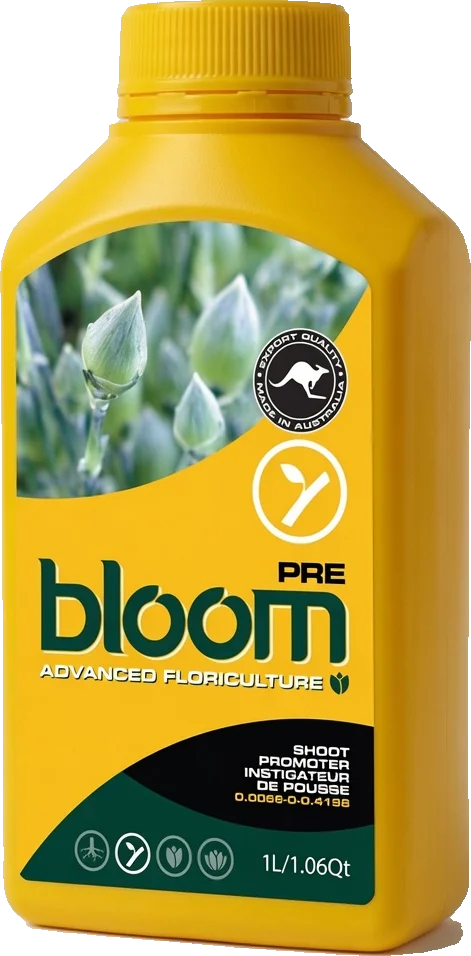
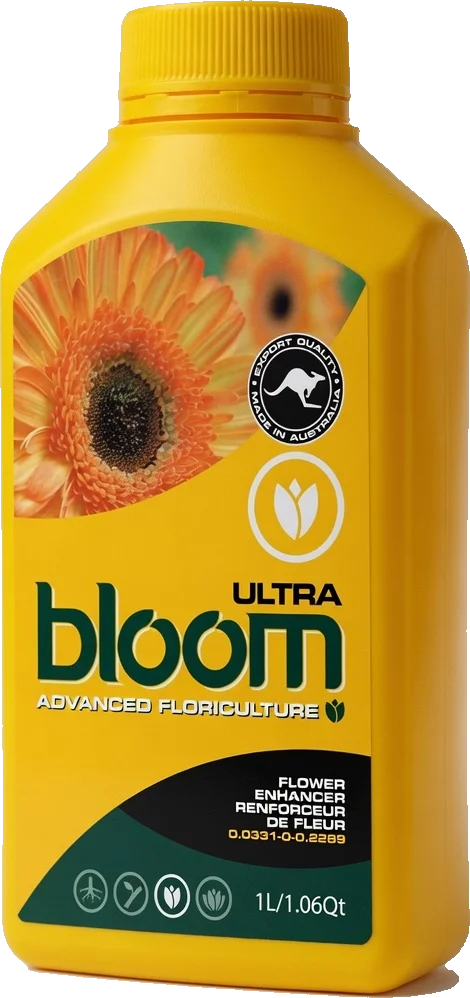
Pre in mid veg, Ultra for flower weeks 1 and 2.
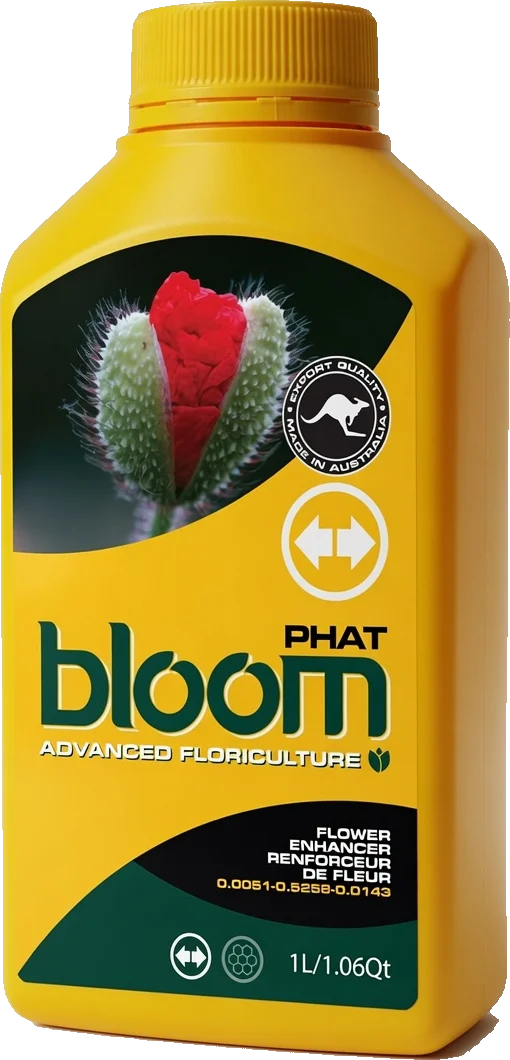
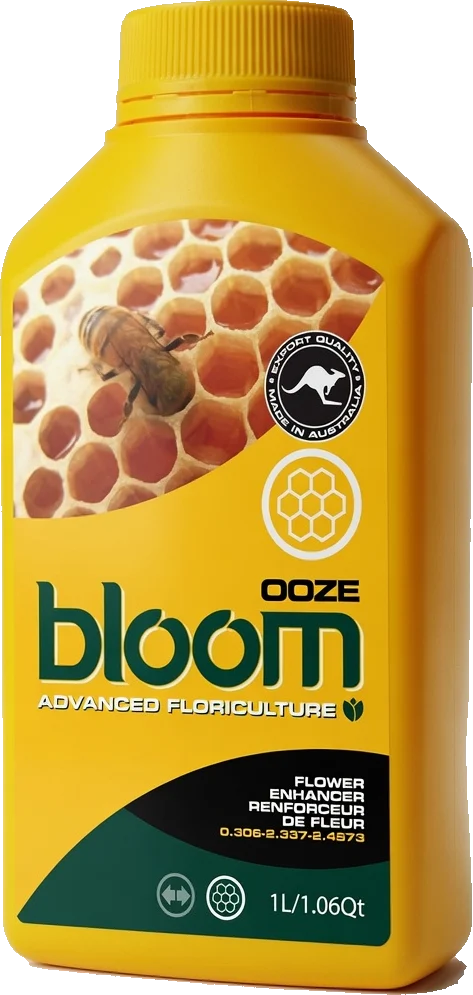
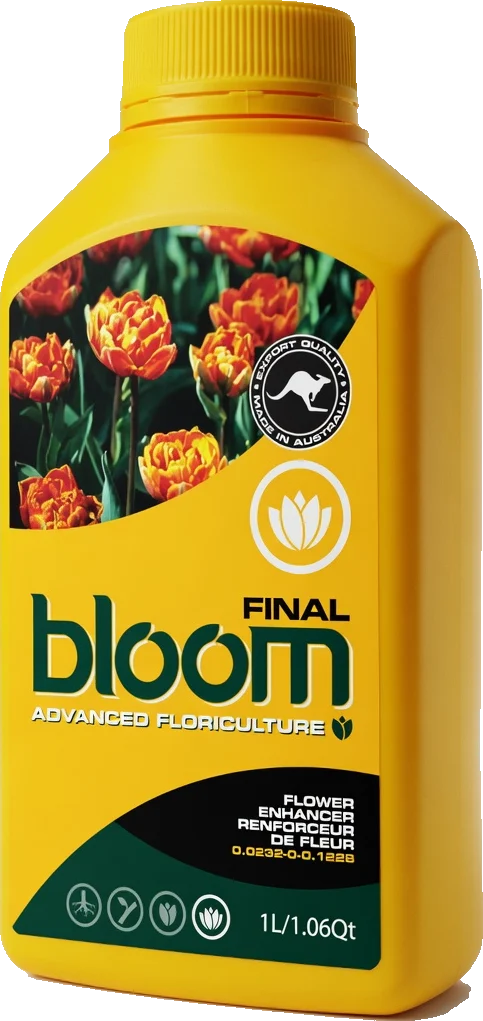
Phat for weeks 3 and 4, Ooze from week 5 to the flush, Final for the last two weeks alongside Ooze.
Tuna and kelp, clone through late flower, tapering at the flush.
Calcium and magnesium with iron and zinc, grow and bloom, stopping at the final flush.
Veg and flip sprays, every few days as needed, outside the feed line.
SWTNR from veg week 2 to the flush; PK an as-needed bottle shown at flower week 5.
Put it side by side
Where both ranges have a product for the same job, the fair answer is a test in your own room. Here’s what to watch and how to keep it fair.
Keeping it fair
- Same plants. Clones off the same mother, same cultivar, same age.
- Same room. Same light, climate, media, pot size and watering.
- Same base. Keep the base feed and EC the same on both sides.
- One change. Change only the product being tested, and write down what you see each week.
Why each one fits
What the Bloom product does, the research behind that kind of input, and where it sits in a program that already runs.
Mineral in the pot, Silica in the tank
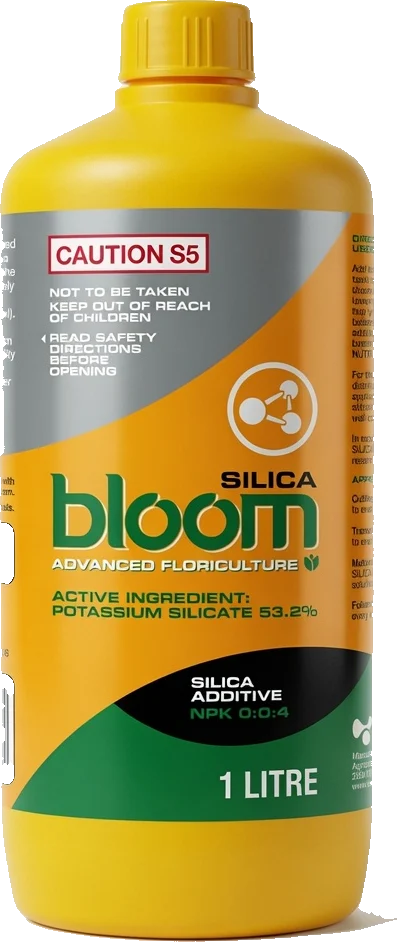
What it does. Bloom’s Silica is potassium silicate, labelled 0-0-4, at 0.33 ml/L weekly. It goes in first, runs veg through early flower and tapers in late bloom.
A Frontiers review pulls together work showing silicon helps plants handle stress, from salt and drought to pests and disease. It’s general plant science and doesn’t test either product.
How it stacks. Silica Earth’s page says one soil application at transplant often carries the season. Our read: a grower could keep that and test Bloom’s weekly Silica on half the room, watching runoff pH and EC.
One bottle per stage
What it does. Pre in mid veg, Ultra at the flip, Phat for flower weeks 3 and 4, Ooze from week 5 through the final flush, and Final for the last two weeks alongside Ooze. These are timing tools, so there’s no study cited for them here.
How it stacks. None of these touch silicon. They go into the weekly feed on top of whatever mineral is already in the pot (our read).
Tuna and kelp in the weekly feed
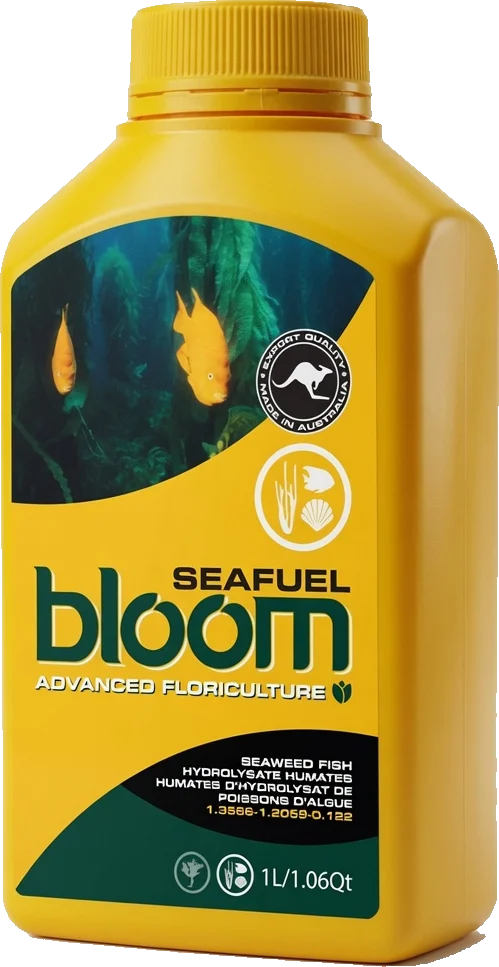
What it does. Seafuel is tuna and kelp at 1 ml/L weekly, clone through late flower, tapering at the flush.
Fish inputs sit in the protein hydrolysate family. A 2023 review links that family to nutrient uptake, mostly under stress, and says plenty is still unknown. It doesn’t test Seafuel.
How it stacks. Silica Earth’s page says to add their powder last in a reservoir, as its own step. Our read: dose Seafuel with the rest of the feed, then the mineral, and check both labels.
Foliar feeds for veg and the flip
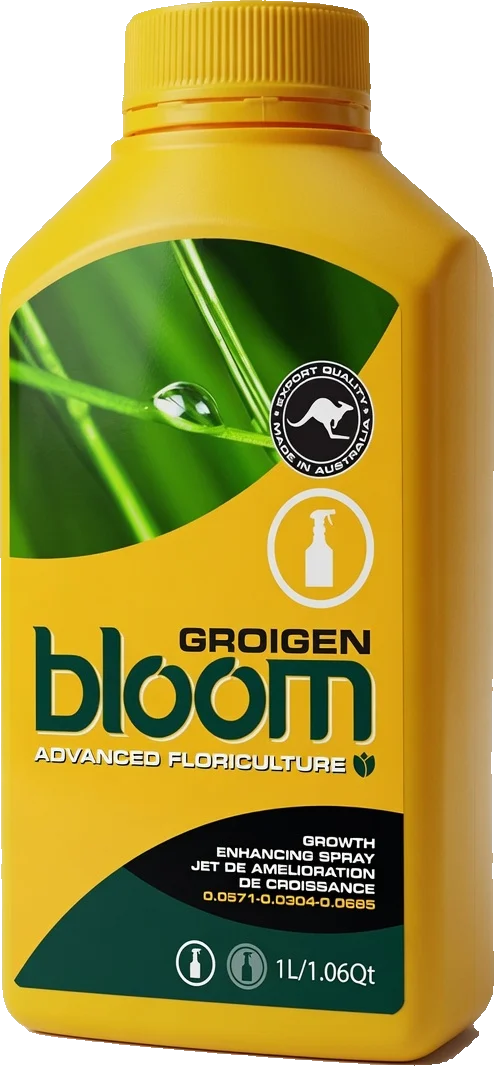
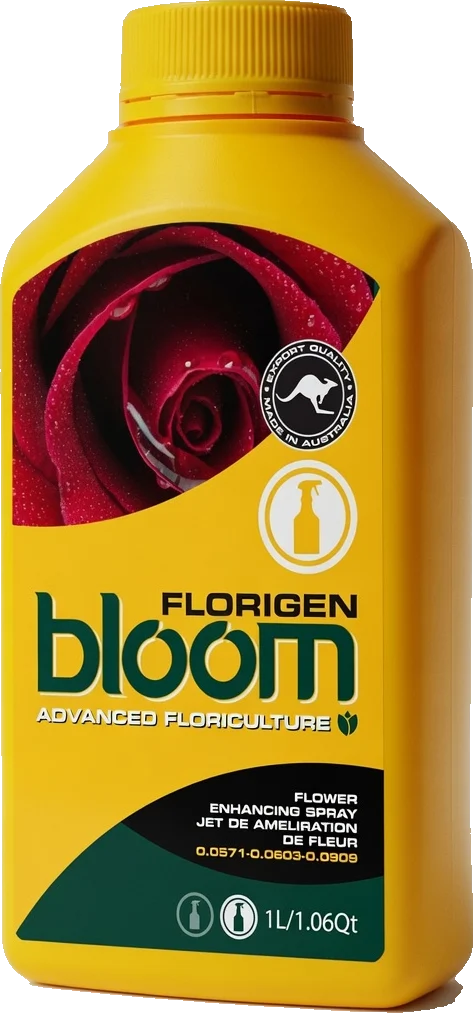
What it does. Groigen for seedling through veg, Florigen for the stretch to early bloom. Both at 20 ml/L, lights off, every few days as needed.
A mini review on foliar feeding says leaf uptake works but varies a lot, and how nutrients cross the leaf surface isn’t fully understood yet.
How it stacks. Silica Earth already sprays its mineral on the leaf under pressure. Our read: keep foliar silica and foliar feed on separate days until you’ve jar-tested them together.
Where each bottle sits in the cycle
Silica Earth’s timing in grey, Bloom’s in yellow, across shared stages of the grow.
| Stage | Root | Veg | Flip | 3–4 | 5+ | Last 2 | Flush |
|---|---|---|---|---|---|---|---|
| Silica Earth, per their pages | |||||||
| Volcanic Silica Minerals | |||||||
| Silica + Beneficial Microbes | |||||||
| Silica Root Zone (Silica Earth) | |||||||
| Silica Soil Bio-Activator | |||||||
| Bloom, per Bloom’s weekly feed charts | |||||||
| Roots | |||||||
| Pre | |||||||
| Ultra | |||||||
| Phat (weeks 3 and 4) | |||||||
| Ooze (wk 5 to flush) | |||||||
| Final (with Ooze) | |||||||
| Seafuel | |||||||
| Seaweed · Humate · Sea Minerals | |||||||
| SWTNR | |||||||
| Cal-Mag | |||||||
| Groigen (foliar, as needed) | |||||||
| Florigen (foliar, as needed) | |||||||
| PK (as needed) | |||||||
| Silica | |||||||
Silica Earth’s pages set use around transplant, stress and establishment, not crop weeks. Volcanic Silica Minerals goes in once at transplant, with foliar or tank top-ups under stress, drawn pale. Root Zone’s stage schedule and the Bio-Activator’s timeline are placed on crop stages here as our read. Bloom’s bars follow its weekly feed charts; pale Bloom bars are as-needed bottles.
Where the programs complement each other
Their mineral at planting, Bloom’s stage bottles after
Silica Earth’s list stops at minerals and soil inputs. Pre, Ultra, Phat, Ooze and Final go into the weekly feed from mid veg to the flush, with nothing in them that doubles up on silicon.
Same organic-leaning grower
Silica Earth is OMRI Listed and sells to home gardens through to fertigation lines. Our read: those growers often want a liquid program to run with a mineral amendment, and Bloom’s bottles fit soil, coco and hydro.
Two kinds of silicon, tested fairly
Their mineral and Bloom’s Silica both bring silicon in different forms and timing. A split-room test with the same base would show a grower which suits the room (our read).
Already covered
- Silicon. Volcanic silica in four dry formulas, for soil, foliar and fertigation.
- Root zone biology. Bacillus and mycorrhizae in two of the blends.
- Humic and kelp. In the Silica Soil Bio-Activator.
- Bulk supply. Pallets and custom milling for farms and retailers.
Stays exactly as is
- Silica + Beneficial Microbes. Bloom has no inoculant.
- Transplant mineral. Their one-time soil application stays put.
- Bulk and custom milling. Bloom has no dry products.
- Bio-Activator and Root Zone. If they’re working in your room, keep them, or test Bloom’s next to them.
Background, science and sources
Who Silica Earth are
Silica Earth is a farm in Southern Oregon that mines, mills and bags volcanic silica from one shallow hydrothermal deposit. Their story starts with a 2015 soil trial on the farm; they’ve sold the mineral to other growers since 2018. The footer reads “An Empower Ag company”.
The range is four dry powders milled to 2–4 microns: Volcanic Silica Minerals, Silica + Beneficial Microbes, Silica Soil Bio-Activator and Silica Root Zone. Their pages list OMRI and CDFA organic input status, a batch COA on request, and crops from cereals and tomatoes to ornamentals and turf. They sell direct online, ship from Oregon, and offer pallet pricing and custom milling for farms and retailers.
Sources: Home · About · Contact and wholesale
What each company brings
Silica Earth: Volcanic silica milled on their own farm, OMRI Listed and CDFA registered, in plain, microbe, humic-and-kelp and root zone formulas, with bulk and custom milling for farms and retailers.
Bloom: one additive for each stage of the crop, seaweed, humic and sea mineral inputs, foliar sprays, and weekly feed charts for soil, coco and hydro. Rates and timing are on every product page.
Cropping Solutions, the other brand under Agricultural Organics, isn’t part of this report.
Dose basis: how each side counts
Silica Earth’s products are dry powders. Silica Root Zone prints teaspoons per gallon (1 tsp/gal drench, ½ tsp/gal foliar); the other three pages point to the bag label for rates. Bloom prints ml per litre of nutrient solution, on a weekly feed chart.
A teaspoon of powder and a ml of liquid aren’t the same amount of silicon, so the numbers on each side don’t line up like for like. Compare on the labels.
Mix calculator
Rates as printed on each company’s page (1 US gallon is 3.785 L). Bloom’s rates are per litre of nutrient solution, dosed weekly per its feed charts. Pick a product and your tank size.
Humic substances and rootsWell supported
Canellas and colleagues (2015) review humic and fulvic acids as biostimulants in horticulture, including links to nutrient uptake and lateral root growth.
Why it matters here: Silica Earth’s Bio-Activator and Bloom’s Humate both put humic substances in the root zone. The review doesn’t test either product.
Sources, all viewed 5 November 2026
Silica Earth: Home · About · FAQ · Volcanic Silica Minerals · Silica + Beneficial Microbes · Silica Soil Bio-Activator · Silica Root Zone · Contact and wholesale
Bloom: Roots · Pre · Ultra · Phat · Ooze · Final · Seafuel · Seaweed · SWTNR · Humate · Cal-Mag · Groigen · Florigen · Sea Minerals · PK · Euro · Grow · Flower · Silica · OrganiShield
Last checked 5 November 2026. Public information only. Not affiliated with, endorsed by or approved by Silica Earth; product names belong to their owners. Please confirm current details with the manufacturer. Corrections: nathan@bloomyellowbottles.com. All Fit Reports