
Is there anything alive in the bottle?
No. That’s the point.
Bloom doesn’t sell bugs in a bottle. We feed the biology already living in your soil, coco or tea. Food that doesn’t die on the shelf.
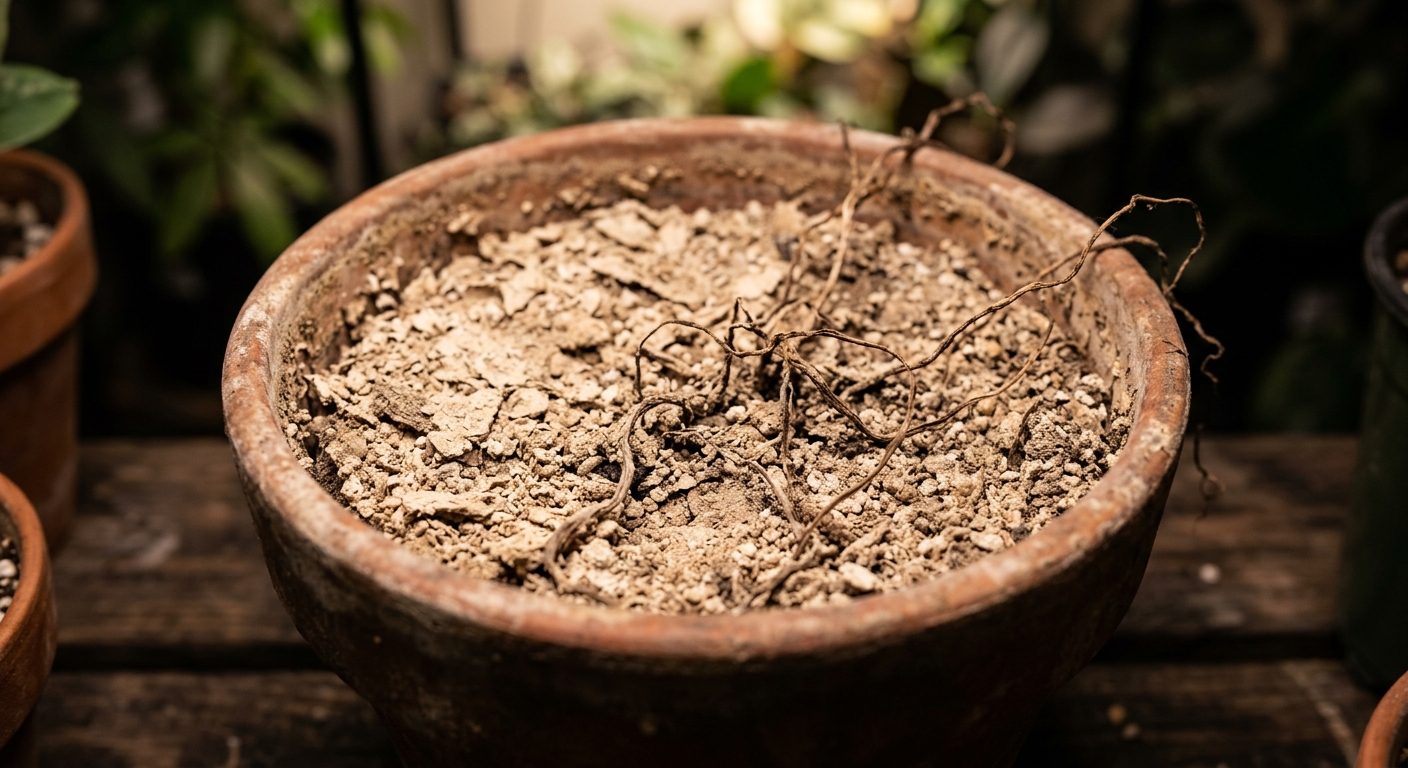
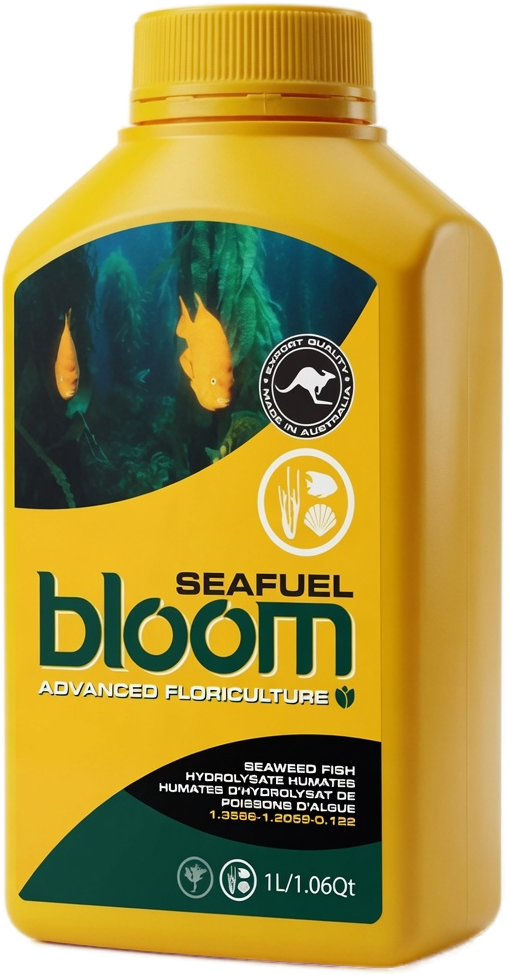 A tired mix needs feeding, not more bugs
We feed microbes. We don’t bottle them.
In the US, a product can only say it contains live microbes if the label names every one by genus and species, with a guaranteed count. None of the Bloom labels do that, so we don’t make the claim.
Live cultures lose numbers sitting in a hot warehouse or the back of a truck. Food stays food.
Living soil, compost tea, worm castings or the inoculant you already trust. What soil life needs is something to eat.
Read the label test
| What to look for | On a Bloom label? |
|---|---|
| Live microbes named by species | Not on our labels |
| Guaranteed count (CFU per ml) | Not on our labels |
| Kelp & seaweed extracts | Yes |
| Hydrolysed Southern Bluefin Tuna | Seafuel |
| Molasses & malted barley sugars | Ooze, SWTNR |
| Humic acid carbon | Most of the range |
What every organic Bloom product does carry is food for soil life: kelp, fish, molasses, humic carbon and sea minerals.
Feed what’s already there.
Keep your base. Pick one or two on top, at the label rate.
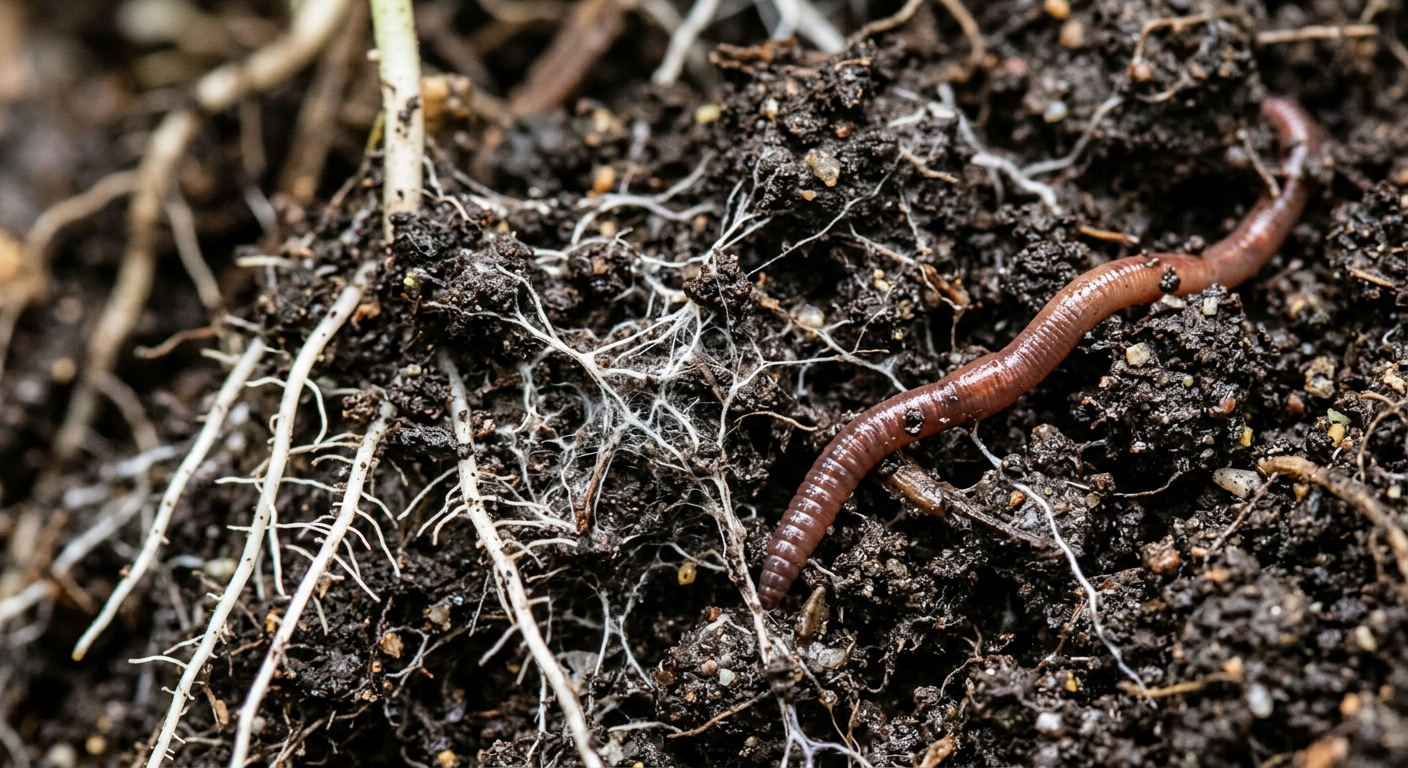
Fast food for soil life.
Fish proteins and oils, kelp and humic carbon get broken down quickly by the life in the soil. Bloom feeds whatever’s there, so it works with the biology you’ve built.
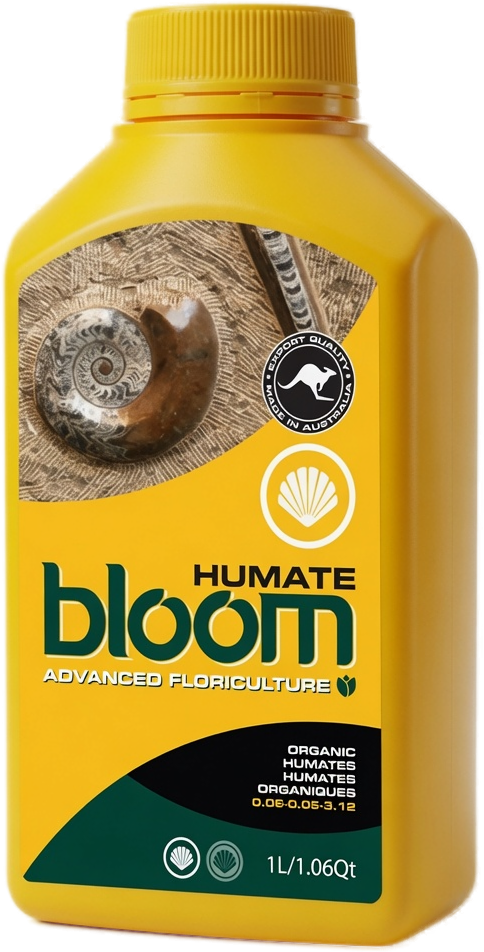
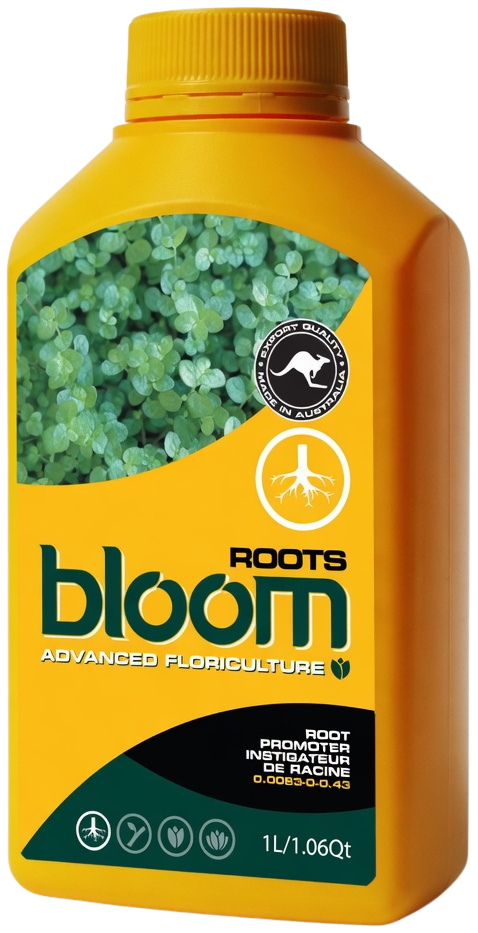
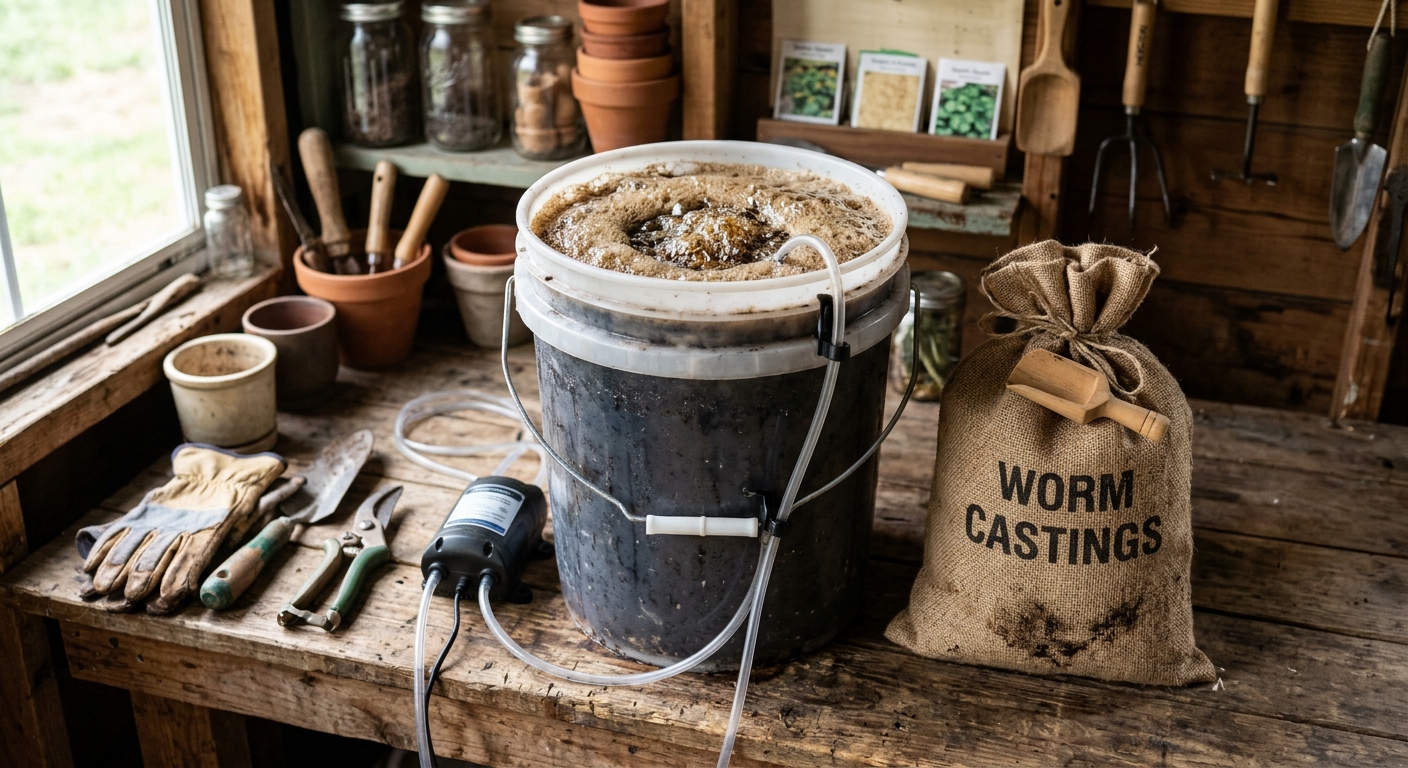
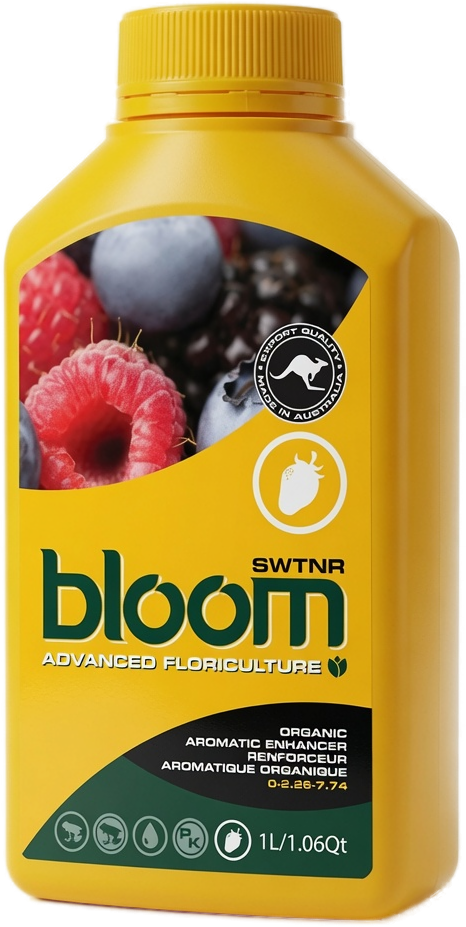
Sugars and fish for the brew.
That’s exactly where it fits. SWTNR and Seafuel together are our Compost Tea Powerhouse combo: sugars plus fish and kelp for the brew.
Straight off the ingredient lists.
Taken straight from the ingredient lists on our labels. Tap any bottle to see it.
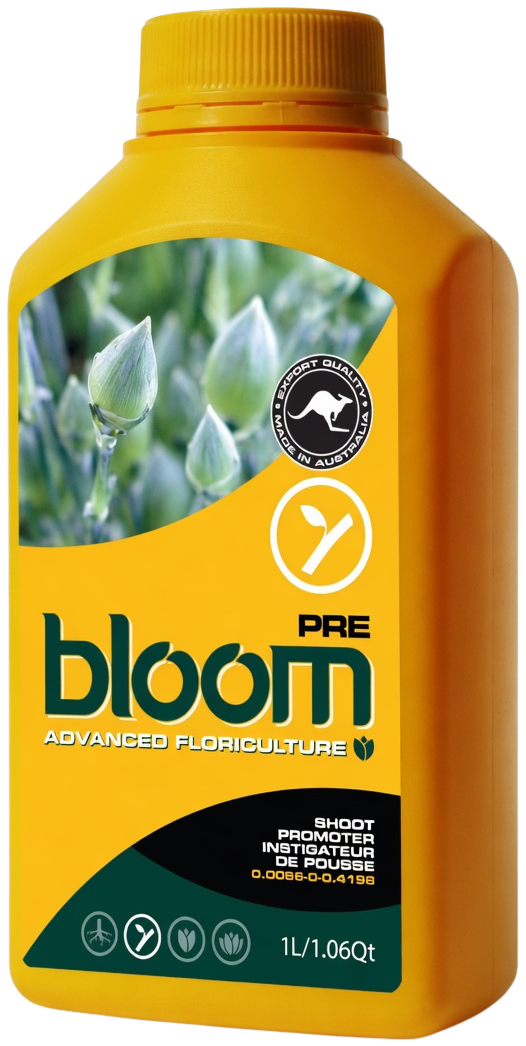
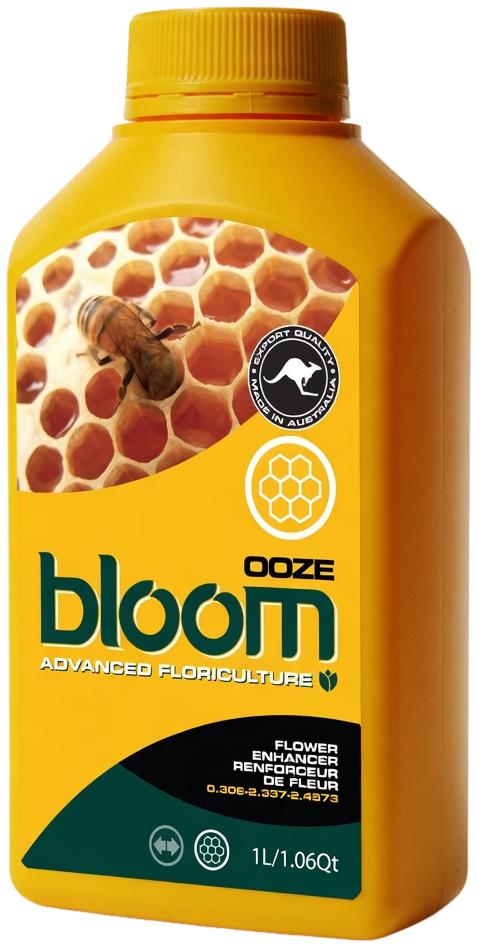
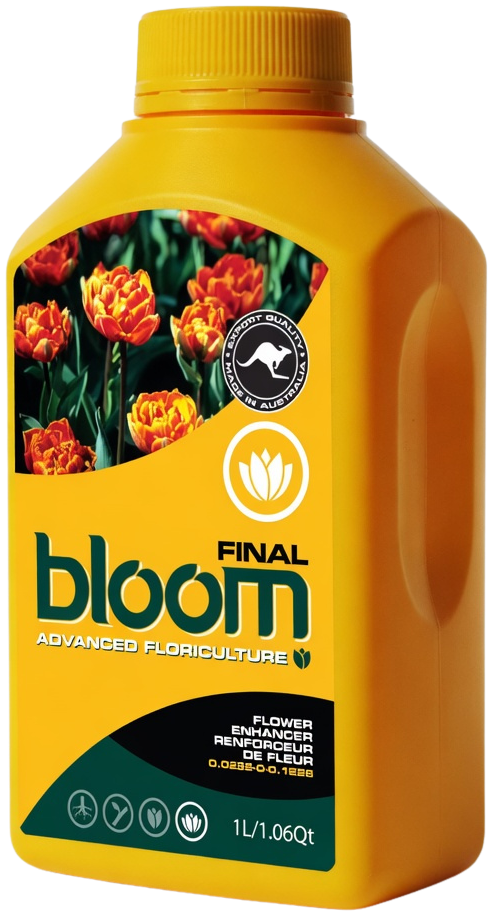
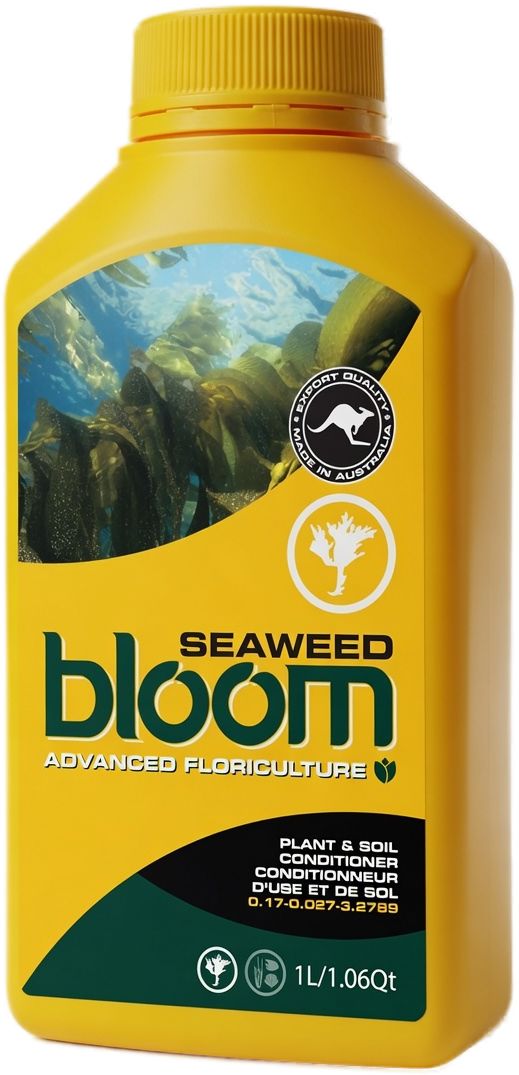
Seafuel goes in at 1 ml/L, so a bottle makes a lot of feed. See the cost per gallon.
Feed the kelp, count the bacteria.
Researchers grew tomatoes with a seaweed extract made from Southern bull kelp, the same kelp in Seafuel, Roots and Seaweed, blended with North Atlantic kelp. The soil around the roots ended up with more bacteria, more available nitrogen, and more of the bacterial families linked to healthy soil.
Fish hydrolysates and molasses are used the same way across organic farming: as fast food for soil life.
Source: Journal of Applied Phycology (2021), Durvillaea potatorum + Ascophyllum nodosum extract in tomato.
Feeding the biology in their own grows.

“She cleared up wonderful. Smells amazing.”@rastakitty2 · SWTNR, Seafuel

“The products are easy to use and show great results. My favourite trio complements organic gardening fantastically — couldn’t have asked for more.”@therealbestbudz · Roots, SWTNR, Ultra
Growers’ own results, individual results vary.
Not every dead-looking mix is a feed problem.
Rule these out first. Food for soil life helps, but it can’t fix the setup.
Kept too wet and gone short of air. Let it dry back and check the drainage.
Not enough air or brewed too long. Check the air pump and stone, and use it fresh.
Warm water and low oxygen. Get the reservoir temperature down and the air up.
Start feeding your soil life.
Questions growers ask.
I heard Seafuel has live microbes in it. Does it?
Some older Bloom sheets described the tuna as “cold-composted”. The current label lists hydrolysed Southern Bluefin Tuna, which is broken down with enzymes, not composted, and the label lists no microbes. So the right way to say it: Seafuel is one of the richest microbe foods in the range.
I run clean hydro. Is any of this useful?
Yes. The kelp, fish and minerals still feed the plant directly. The biology benefit is extra, and it shows up wherever there’s life in the system: coco, soil, or a tank running beneficials.
Do I need the whole line?
No. Pick one or two on top of the base you already use, even just for a few weeks, and see what your plants tell you. Comparing microbes with rooting gels and kelp? We broke them down side by side in What’s really in your rooting bottle.
Not sure it fits your grow? Talk to Nate.
Tell us what’s living in your mix or your brew, and we’ll tell you straight what’s worth feeding it.