
There’s a new word floating around the plant nutrition world: biosolutions.
It’s not marketing fluff, and it’s not replacing anything you already know — it’s a bigger umbrella going up around a category that’s been growing piece by piece for years.
The category, broken down
Global players like BASF already use “BioSolutions” as a branded umbrella spanning all three — and market researchers now track an “agricultural biosolutions market” alongside the more familiar biostimulant reports.
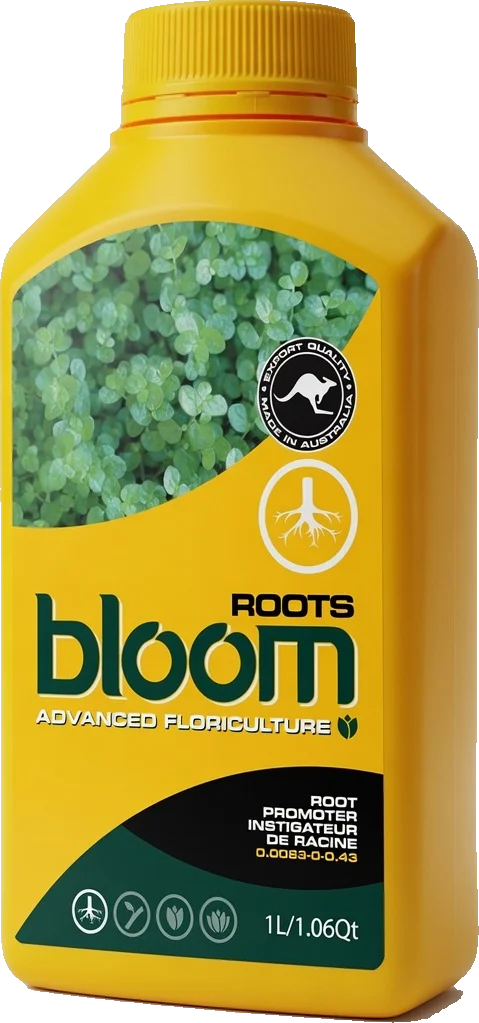
Where Bloom sits in this picture
Bloom Yellow Bottles has always been a biostimulant line at its core — naturally sourced inputs like seaweed extract, humic acid, fish hydrolysate and sea minerals. That hasn’t changed. What’s changing is the language used to describe the wider world these products live in.
Why the terminology is shifting
Biostimulants has a real, well-documented problem: there’s still no single legal definition of what a biostimulant actually is, in the US or globally. “Biosolutions” sidesteps that fight by describing the purpose of these products rather than pinning down a precise technical boundary — letting pest control, fertility, and plant health live under one roof instead of three separate silos.
Why this matters for you
Growing?
Simpler search, fewer dead ends — easier to find and compare products that share a philosophy, even across categories.
Stocking product?
One framing for a whole shelf section, instead of explaining each category from scratch every time.
The takeaway
“Biosolutions” isn’t a rebrand of biostimulants — it’s a wider category being named for the first time. And biostimulants, the category Bloom has spent 26 years refining, is one of its founding members.