
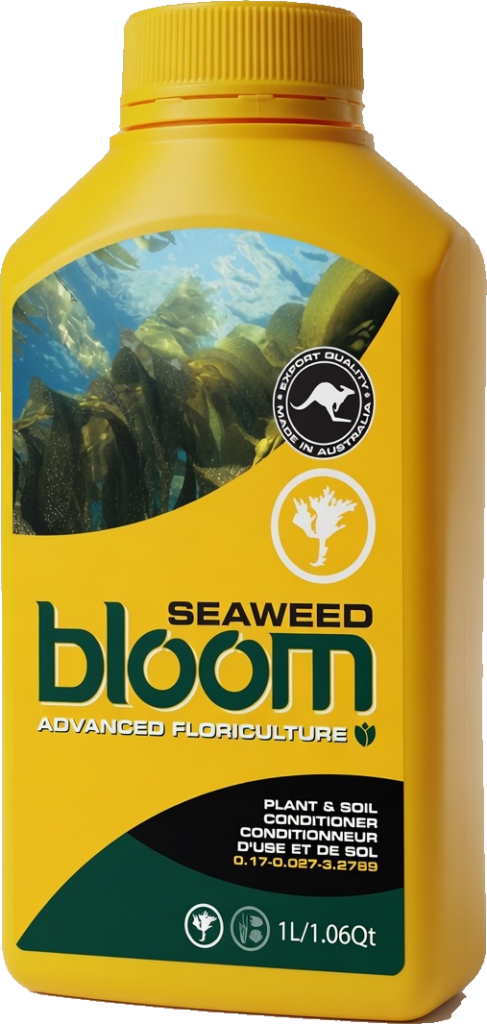
At broadacre scale, a biostimulant line item gets evaluated like any other input: cost per acre against a return that has to show up in yield, stand quality or stress tolerance. Seaweed-extract products are increasingly part of that conversation, and a lot of the marketing language around them leans on the idea that they work by delivering plant hormones — auxins, cytokinins, growth-regulator-type compounds. The industry’s own trade body has published the math that says that’s not the mechanism, and it’s worth running before any of it factors into a per-acre decision.
The thresholds the industry set for itself
The European Biostimulants Industry Council publishes concentration thresholds below which a plant hormone isn’t considered physiologically active in a treated crop: roughly 100 nanomolar for auxin, 10 nanomolar for cytokinin, and 100 nanomolar for brassinosteroids. These aren’t figures we’re proposing — they’re the category’s own published reference points, assembled from a body of peer-reviewed plant physiology work on how much of a given hormone actually has to reach plant tissue before it does anything.
EBIC’s own conclusion, in its own language, is direct: published research over the past decade “demonstrated that plant hormones are not responsible for the plant biostimulant effects observed in crops,” and that the hormone levels actually measured in seaweed extracts sit “far below the threshold levels required for physiological effects” once field application rates are accounted for. That’s the trade group representing the category saying its own products don’t work the way some of the marketing around them implies.
What a published assay actually shows
A peer-reviewed assay of a commercially available seaweed extract measured brassinolide — one of the more potent brassinosteroid compounds — at roughly 0.8 to 1.65 nanomolar in the undiluted product. Against EBIC’s own 100 nM activity threshold, that’s somewhere between 60 and 125 times below the concentration the industry’s own reference point says is needed before a hormone effect would be expected — and that’s before any field-rate dilution is applied. The same product’s gibberellin content ran similarly low: fewer than 3% of the gibberellin types measured were even in the biologically active class.
What this changes at the per-acre decision
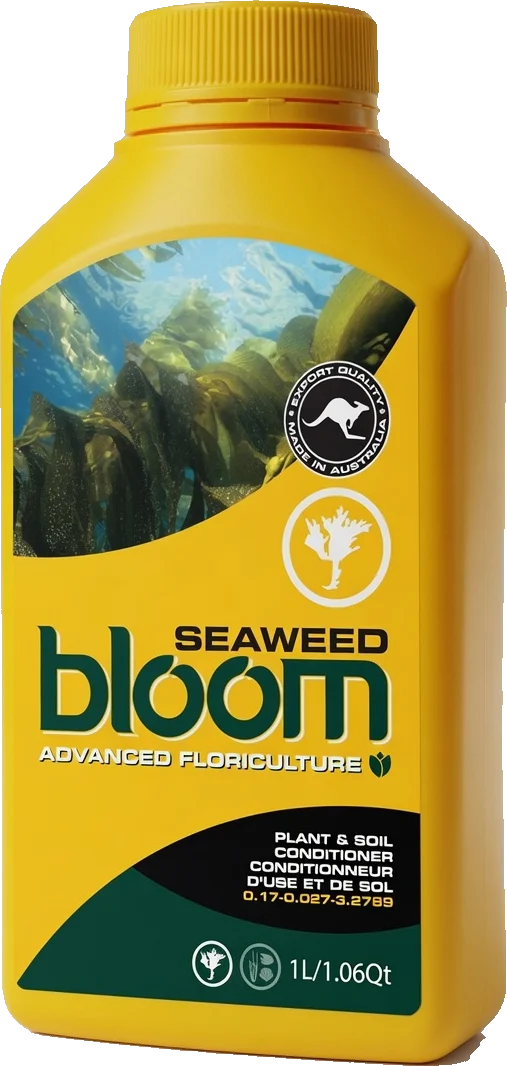
It doesn’t argue against using a seaweed extract at field scale — the broader research base on yield response from these products is real, and separate from the hormone question entirely. What it changes is what to expect the product to be doing, and what to ask a supplier when a pitch leans on hormone language. If the mechanism isn’t a hormone dose, then rate recommendations, timing and expected response should be evaluated on the evidence that actually supports seaweed extracts — nutrient delivery, polysaccharide and polyphenol content, and the documented soil- and plant-health effects those compounds produce — not on a growth-regulator framing the category’s own trade body has already walked back.
At the scale broadacre operations are buying at, that distinction is worth the five minutes it takes to ask a rep which mechanism they’re actually claiming, and whether they can point to a number instead of a word like “boost.”
There’s a broader lesson in how this gap opens up between marketing language and trade-association science. Hormone framing is an easy story to tell — it maps onto something growers already understand from other inputs, and “boosts growth hormones” sounds like a mechanism even when the concentrations involved can’t support it. The harder, more accurate story is a slower one: seaweed-extract biostimulants appear to work mainly through nutrient delivery, polysaccharide and polyphenol content, and downstream effects on root architecture and stress signaling, none of which reduce to a single dramatic number the way a hormone claim does. At field-scale pricing, that slower story is also the one worth paying for, because it’s the one with research behind it that doesn’t collapse the moment someone runs the actual molarity.
None of this is an argument against seaweed-extract inputs as a category — the yield-response literature behind soil-applied and fertigated seaweed extracts is substantial, and it stands on its own without any hormone framing attached to it. The point is narrower and more practical: a claim that survives contact with its own industry’s published thresholds is worth more at renewal time than one that only survives as long as nobody asks for the number behind it.