You’ve already paid for this crop. Don’t lose it in the last stretch.
Disease and pest pressure don’t wait for a convenient spray window. Tell us what you’re seeing and we’ll narrow it down to the two or three products actually built for it.
Every answer actually changes what you see next — a real filter across the full Crop Protection range, not a guessing game. Think of it as a strong starting point, not the final word — our team can help you fine-tune it from there.
First up
What’s your main issue right now?
One more thing
Where are you at with it?
One more thing
Where are you at with it?
One more thing
Where are you at with it?
Based on what you told us: your situation
If we had to start over on active disease, this is it.
Here’s the truth about getting ahead of disease pressure.
Never, ever, ever ignore active pest pressure — here’s why.
This might trigger you: most pest damage is preventable.
Nobody wants to admit this: recovery isn’t automatic.
This is why your crop is still vulnerable to stress.
Active disease pressure means the plant needs to fight back now, not next season. Cropsure A+B activates the plant’s own defence response immediately rather than waiting on a preventive window that’s already passed. Carbon Silica reinforces that response by strengthening plant tissue from the inside, building the crop’s natural disease defences while Cropsure does the activating. SOS covers the secondary pest pressure that tends to move in on a crop already stressed by disease — closing a gap the other two don’t.
Getting ahead of a risk window is about building resistance before pressure arrives, so this combination works entirely on the front foot. Cropsure A+B primes the plant’s defence response ahead of time. Carbon Silica builds tissue strength and resilience before pressure ever shows up, and CalX backs both with structural cell-wall strength — cheap insurance that makes it harder for disease to get a foothold at all. None of the three are reactive; they’re all set-and-forget prevention.
Active infestation needs direct knockdown first, then a plan so it doesn’t come straight back. SOS delivers that knockdown without the withholding-period headaches of harsher chemistries. Cropsure A+B works alongside it to build the plant’s own resilience, so whatever damage has already happened does less lasting harm. Carbon Silica toughens tissue on top of both, making it harder going for whatever’s left to keep chewing or sucking.
Reducing susceptibility is a structural and nutritional game, not a spray-and-hope one. CalX builds stronger cell walls, making it tougher for pests to get a foothold in the first place. Carbon Silica reinforces the plant’s natural defences on top of that. Selenium Cobalt rounds it out with general vigour, so if pressure does arrive, the crop has the reserves to shrug it off rather than being caught flat-footed.
Recovery is about rebuilding what the stress event took out — vigour, tissue and structure, in that order. Selenium Cobalt’s custom-blended trace elements support vigour first, since that’s usually what collapses fastest under stress. Carbon Silica follows by rebuilding tissue and improving nutrient uptake while the crop recovers. CalX supports the structural side — heat, frost or transplant shock all hit cell structure, and this is what puts it back together.
Building resilience ahead of a stress event means investing before you need it, not after. Carbon Silica builds tolerance to environmental stress proactively. Cropsure A+B adds general-purpose resilience specifically ahead of heat, frost or transplant stress. Selenium Cobalt rounds out trace-element reserves, so the plant has something to draw on when the stress event actually hits — the difference between a crop that copes and one that doesn’t.
CS Cropsure A+B
Plant Defence Activator
Disease already showing? Cropsure A+B switches on the plant’s own defence response immediately, so new growth stays clean while the existing damage runs its course.
CS Carbon Silica
Silicic, Humic & Fulvic Acid
Weak tissue lets disease spread faster than it should. Carbon Silica reinforces cell structure from the inside, so the crop’s own defences hold the line while Cropsure gets to work.
CS SOS
Natural Insecticide
A disease-stressed crop is an easy target for secondary pests. SOS knocks down that opportunistic pressure before it compounds the damage already underway.
CS Cropsure A+B
Plant Defence Activator
Waiting until disease shows is waiting too long. Cropsure A+B primes the plant’s defence response ahead of the risk window, so resistance is already built by the time pressure arrives.
CS Carbon Silica
Stress Tolerance
Thin, soft tissue is the easiest target disease has. Carbon Silica thickens and strengthens it in advance, closing that opening before anything gets a chance to move in.
CS CalX
Calcium
A weak cell wall is the first foothold disease needs. CalX builds structural calcium into that wall ahead of time — cheap insurance against a problem you haven’t seen yet.
CS SOS
Natural Insecticide
Active feeding damage needs to stop now. SOS delivers direct knockdown on contact, without the withholding-period delays that come with harsher chemistries.
CS Cropsure A+B
Plant Defence Activator
Pest damage hits harder on a plant that’s already struggling. Cropsure A+B builds the plant’s own resilience alongside the knockdown, so what’s happened does less lasting damage.
CS Carbon Silica
Tissue Strength
Soft tissue is easy tissue to chew through. Carbon Silica toughens it up, making it harder going for whatever pests are left after the initial knockdown.
CS CalX
Calcium
Pests target the weakest tissue first. CalX builds stronger cell walls before pressure arrives, making it tougher for anything to get a foothold in the first place.
CS Carbon Silica
Natural Defence
A structural fix isn’t the whole story — the plant needs active defences too. Carbon Silica builds those defences ahead of time, before any pressure shows up.
CS Selenium Cobalt
Trace Elements
Even a well-defended plant needs reserves to draw on. Selenium Cobalt’s trace elements build general vigour, so the crop has something in the tank to shrug off pressure when it comes.
CS Selenium Cobalt
Trace Elements
Vigour is usually the first thing to collapse under stress — and the first thing that needs rebuilding. Selenium Cobalt’s custom-blended trace elements get that recovery started.
CS Carbon Silica
Stress Tolerance
Stressed tissue struggles to take up nutrient even after the stress event has passed. Carbon Silica rebuilds that tissue and restores uptake, so recovery doesn’t stall.
CS CalX
Calcium
Heat, frost and transplant shock all hit cell structure first. CalX supports the structural rebuild that recovery actually depends on.
CS Carbon Silica
Stress Tolerance
Waiting for a stress event to build tolerance is too late. Carbon Silica builds that tolerance in advance, so the crop is ready before heat, frost or transplant stress ever hits.
CS Cropsure A+B
Plant Defence Activator
Every stress event is different, but the plant’s defence response doesn’t have to catch up each time. Cropsure A+B builds general-purpose resilience ahead of whatever’s coming.
CS Selenium Cobalt
Trace Elements
A plant running low on trace elements has nothing left to draw on when stress hits. Selenium Cobalt rounds out that reserve in advance, so there’s something to fall back on.
A couple more things people ask
How fast does this act once disease is already showing?
Cropsure activates the plant’s defence response within days, but it’s working with the plant’s own immune system — it won’t undo existing lesions, it stops the spread to new growth.
What should I actually expect to change?
New growth staying clean while the existing damage runs its course — that’s the realistic win here, not a reversal of what’s already showing.
How long before the plant’s actually protected?
Defence priming needs a lead time — this has to go on ahead of the risk window, not once pressure’s already arrived, for the resistance to actually be built by the time it matters.
What should I actually expect to change?
No visible change at all if it works — the win here is nothing happening when a known risk window hits.
How fast is the knockdown on active pests?
SOS acts on contact — you’ll usually see knockdown within 24 to 48 hours, without the withholding-period wait of harsher chemistries.
What should I actually expect to change?
A stop to active feeding damage fast, then tougher tissue over the following weeks that makes it harder for whatever’s left to keep chewing.
How soon does susceptibility actually drop?
Cell-wall and vigour building takes a few weeks of uptake — this is reducing the target before pressure arrives, so timing it ahead of the risk window matters more than speed.
What should I actually expect to change?
A crop that shrugs off normal pressure instead of getting hit hard — you’re building resistance, not watching for an immediate visible effect.
How soon after a stress event will I see recovery?
Vigour usually starts returning within one to two weeks of application — full structural recovery from something like frost or transplant shock takes longer.
What should I actually expect to change?
New growth pushing through cleaner and faster than it would unassisted — this speeds up recovery, it doesn’t undo damage already done.
How soon is the crop actually more resilient?
Tolerance builds over several weeks of uptake, so this needs to go on ahead of the heat, frost or transplant event you’re bracing for — not as a reaction to it.
What should I actually expect to change?
A smaller yield or quality hit when the stress event actually happens — the comparison is against what would have happened unprotected, not a visible change beforehand.
Results growers are seeing
Illustrative outcomes based on typical crop protection program results — this is a concept preview, not verified customer testimonials.
Spray Window, Southern Riverina
“Cropsure ahead of the disease window meant we didn’t lose the block we lost last year.”
Crop Protection Lead, Southern Riverina
“SOS handles the pest pressure without the re-entry interval slowing the crew down.”
Farm Manager, Lockyer Valley
“Carbon Silica strengthened the crop enough that we stopped losing yield to the disease pressure we’d been spraying around for years.”
Agronomist, North West Plains
How it gets applied
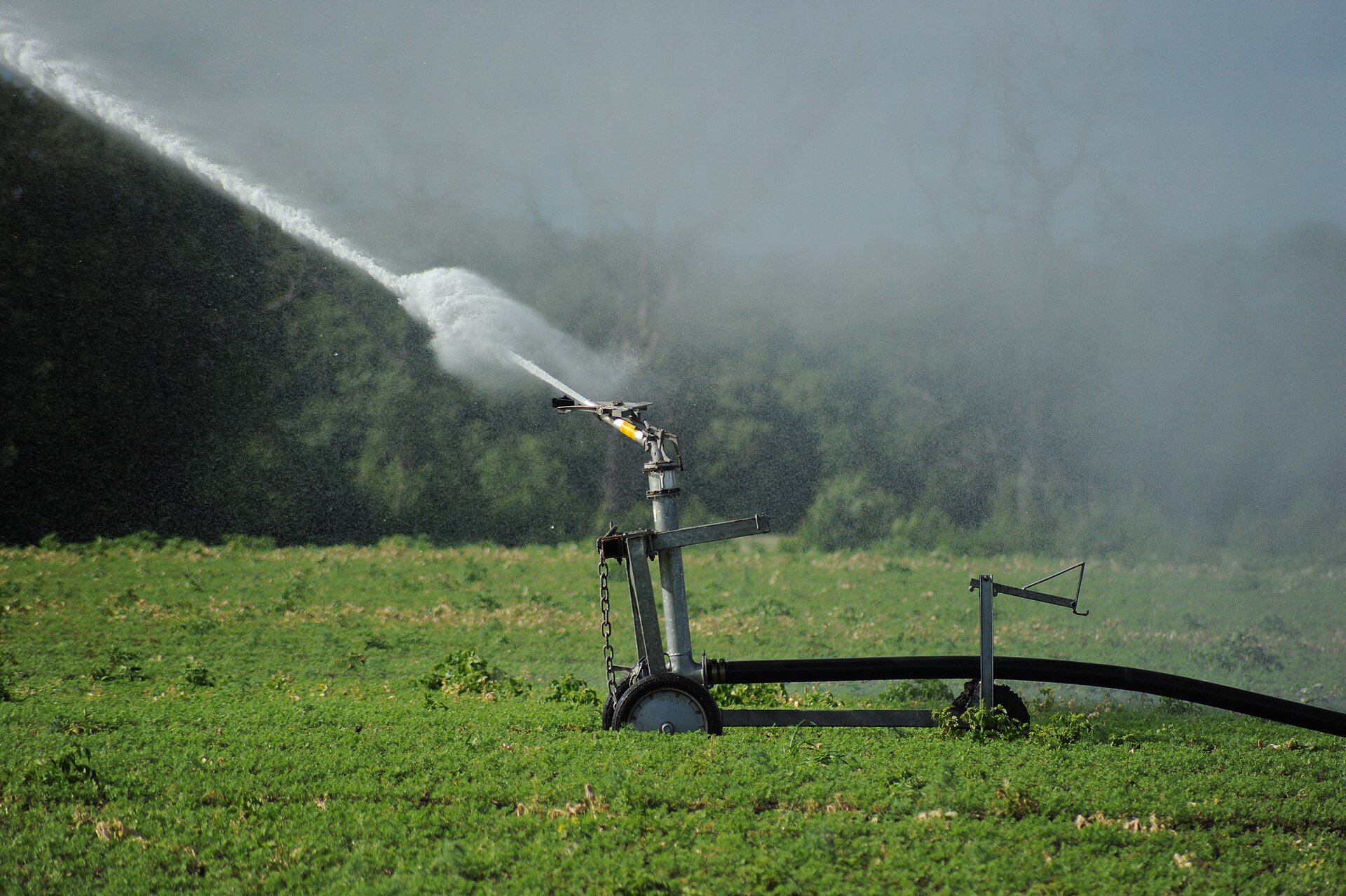
Fits into a spray program you’re already running.
Foliar Spray
Boom application at first sign of pressure, or ahead of a known risk window.
Liquid Injection
Soil-applied defence activation for root-zone and systemic protection.
Centre Pivot / Irrigation
Fertigate defence products through an existing pivot for even coverage.
Don’t lose it this close to harvest.
Tell us a little about your operation and we’ll get a sample rate out to you — or skip straight to a distributor conversation.
We’ll include whatever you told the quiz above, so this isn’t a cold request.