Every answer actually changes what you see next — a real filter across the full Horticulture range, not a guessing game. Think of it as a strong starting point, not the final word — our team can help you fine-tune it from there.
First up
What’s your main issue right now?
One more thing
How widespread is it?
One more thing
Where’s it showing up?
One more thing
What’s the soil actually doing?
Based on what you told us: your situation
No one talks about this — whole-plant deficiencies need whole-season fixes.
Here’s a secret you wish you knew sooner about that one leaf symptom.
If this offends you: a light set usually comes down to one nutrient.
This will change how you see finish and sizing.
Here’s the truth about beds that lose structure fast.
Never, ever, ever skip this after transplant shock.
A whole-plant deficiency needs a whole-season answer, not a single foliar pass. The Black/Red Nutrient Program delivers chelated macro and micro nutrition in one pass when it’s not obviously just one element. SSP backs it with the phosphorus and sulphur most blocks are short on. CalX rounds it out — calcium deficiency shows up as fruit and cell-wall quality issues before it shows anywhere else, so it’s worth correcting even when the deficiency looks generalised.
One specific symptom deserves a specific answer, not a broad blend. Tracer lets you dial in exactly the element showing up on the leaf — iron, zinc, boron, manganese, copper, molybdenum or magnesium — instead of guessing. Selenium Cobalt sits behind it as a broader trace top-up for anything else running short. Carbon Silica’s job is making sure the correction actually gets used — improving uptake efficiency so the fix you’re applying doesn’t just sit there.
A light set usually traces back to one nutrient doing the heavy lifting through flowering: boron. Tracer’s boron line targets that directly — it’s the classic cause of poor fruit-set. SSP backs it with the phosphorus and sulphur that drive energy transfer through flowering, when set is the actual bottleneck. CalX comes in after set has happened, supporting fruit development once there’s fruit to develop — covering the whole flowering-to-set window, not just one moment in it.
Finish problems are almost always a phosphorus, calcium or uptake issue — sometimes all three. SSP backs fruit finish and size with the phosphorus and sulphur base most finishing programs are short on. CalX delivers the firmness and shelf-life gains that show up directly at the pack shed. Carbon Silica makes sure the finishing nutrition applied actually gets taken up in time, rather than arriving too late in the window to matter.
Beds that get worked hard between plantings need biology rebuilt, not just chemistry topped up. Carbon Silica leads with structure, fertility and microbial activity — the foundation any recovery has to sit on. The Black/Red Nutrient Program feeds soil biology alongside the crop rather than against it. Pasture rebuilds groundcover and root mass between plantings, doing the slow structural work chemistry alone can’t.
Establishment problems hit root, vigour and structure all at once, right when the plant is at its most vulnerable. Carbon Silica supports root and microbial establishment right where transplant shock hits hardest. Selenium Cobalt adds general vigour to help new transplants push through faster. CalX backs both with structural strength while new root and shoot tissue is still forming — covering the establishment window from the ground up.
CS Black/Red Nutrient Program
Season Nutrition
Since this is a whole-plant deficiency, not one obvious element, this delivers chelated macro and micro nutrition in one pass instead of guessing at a single fix.
CS SSP
Phosphorus & Sulphur
Backs it with the phosphorus and sulphur base most blocks showing broad deficiency are actually short on.
CS CalX
Calcium
Corrects calcium before it becomes the fruit and cell-wall quality issue it usually turns into first — worth fixing even when the deficiency looks generalised.
This is the precise answer to one specific leaf symptom — dial in exactly the element you’re seeing instead of applying a generic blend and hoping.
CS Selenium Cobalt
Trace Elements
Backs the targeted fix with a broader trace top-up, in case the symptom isn’t as isolated as it looks.
CS Carbon Silica
Uptake Efficiency
Makes sure the correction actually gets used — improves uptake so the fix you’re targeting doesn’t just sit on the leaf surface.
CS Tracer Micronutrients
Boron
A light set almost always traces back to boron — this targets it directly, the classic fix for exactly what you’re seeing at flowering.
CS SSP
Phosphorus & Sulphur
Backs the boron correction with the phosphorus and sulphur that drive energy transfer through flowering, when set is the actual bottleneck.
CS CalX
Calcium
Picks up once set has happened, supporting fruit development through the rest of the window — covering flowering all the way to harvest, not just the moment of set.
CS SSP
Phosphorus & Sulphur
Finish problems usually trace back here first — this covers the phosphorus and sulphur base most finishing programs are actually short on.
CS CalX
Calcium
Delivers the firmness and shelf-life gains that show up directly at the pack shed — the calcium side finish problems usually come down to.
CS Carbon Silica
Uptake Efficiency
Makes sure the finishing nutrition above actually gets taken up before the window closes, not applied too late to matter.
CS Carbon Silica
Soil Structure
Since these beds get worked hard between plantings, this is the foundation fix — rebuilding structure, fertility and microbial activity that repeated cultivation strips out.
CS Black/Red Nutrient Program
Season Nutrition
Feeds soil biology alongside the crop instead of against it, so nutrition and structure rebuild together rather than one at the expense of the other.
CS Pasture
Soil & Groundcover
Rebuilds groundcover and root mass in the gaps between plantings — the slow structural work chemistry alone can’t do.
CS Carbon Silica
Root Support
Transplant shock hits root and microbial activity first — this supports both right where that shock lands hardest, in the first weeks after the move.
CS Selenium Cobalt
Trace Elements
Adds general vigour so new transplants push through establishment faster instead of sitting stalled.
CS CalX
Calcium
Backs both with structural strength while new root and shoot tissue is still forming and at its most vulnerable to setback.
A couple more things people ask
How soon will a whole-plant deficiency correct?
Expect visible greening and improved vigour within two to three weeks — chelated nutrition moves fast once it’s actually in the plant.
What should I actually expect to change?
Even colour and growth across the block instead of patchy, generalised deficiency symptoms — and better fruit and cell-wall quality as calcium catches up.
How soon will that one leaf symptom clear?
New growth usually shows correction within one to two weeks of the targeted trace element going on — the already-affected leaf won’t reverse.
What should I actually expect to change?
The specific symptom stops appearing on new growth — a precise fix for a precise problem, not a general tonic.
How soon before fruit-set improves?
Boron needs to be in the plant before or during flowering to matter — this is a timing-critical fix, so results show at the next flowering window, not immediately on application.
What should I actually expect to change?
A heavier, more even set at the next flowering window compared to what you’d get unassisted — it won’t help a set that’s already finished.
How soon will finish and sizing improve?
This needs to be in before the finishing window closes — applied in time, expect the size and firmness gains to show at harvest, not mid-cycle.
What should I actually expect to change?
Firmer fruit with better shelf-life at the pack shed, and fewer undersized pieces getting graded out.
How soon do worked-hard beds actually recover?
Microbial activity picks up within weeks, but real structural rebuild between plantings takes a full cycle or more — this is a compounding fix, not a one-pass reset.
What should I actually expect to change?
Beds that hold structure better between plantings and don’t degrade as fast — a slow, cumulative improvement rather than an overnight change.
How soon after transplant will establishment improve?
Root and microbial support kicks in within the first one to two weeks, right through the highest-risk establishment window.
What should I actually expect to change?
Faster, more even establishment with less transplant shock loss — fewer gaps to replant, not a visible change on plants that were already going to make it.
Results growers are seeing
Illustrative outcomes based on typical horticulture program results — this is a concept preview, not verified customer testimonials.
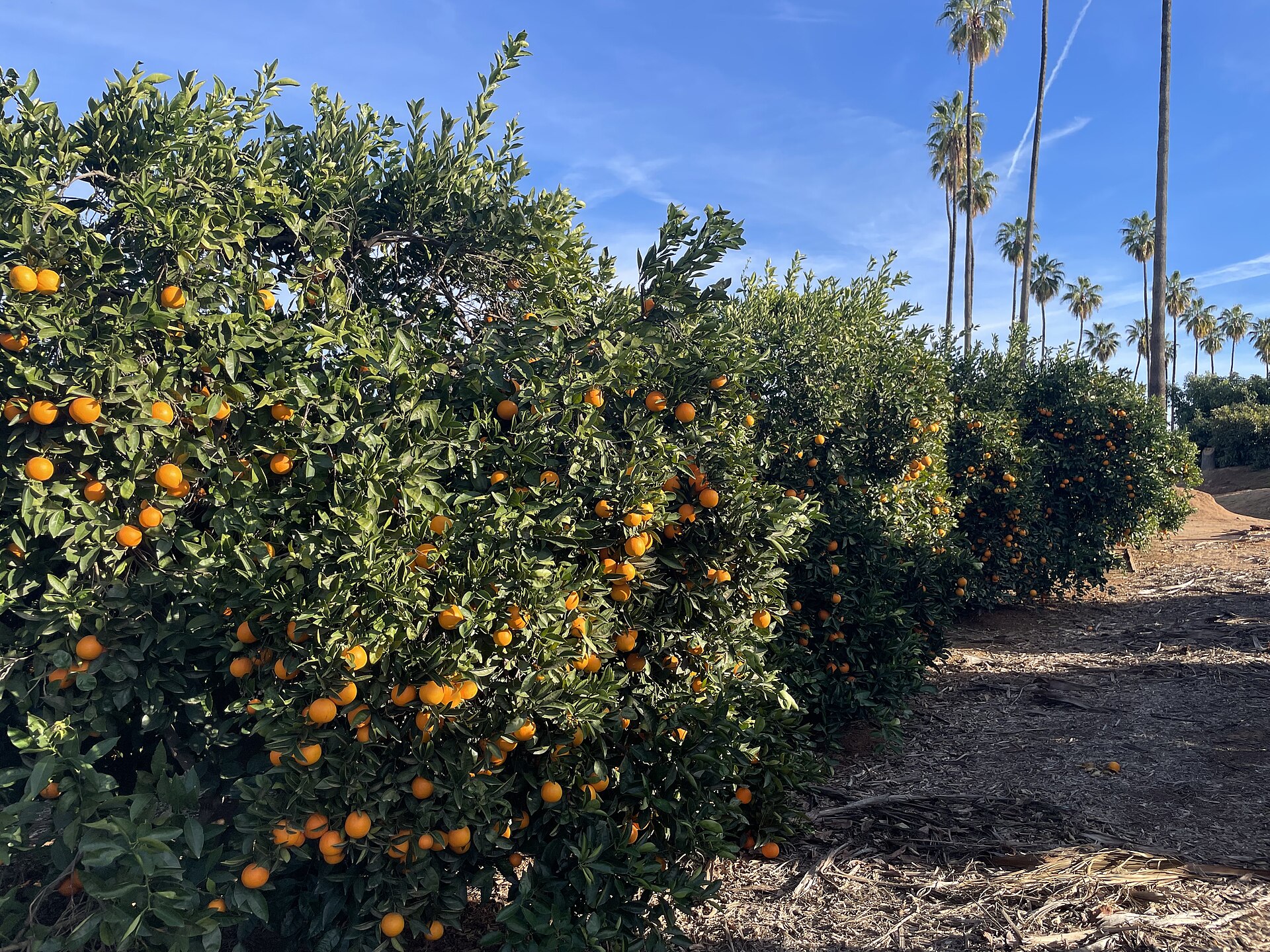
Orchard Rows, Goulburn Valley
“Tracer’s boron line fixed a fruit-set issue we’d been blaming on the weather for two seasons.”
Orchardist, Goulburn Valley
“Carbon Silica through the drip line and we stopped losing seedlings to transplant shock.”
Market Gardener, Lockyer Valley
“CalX gave us the firmness we needed to hit the export grade this year.”
Horticulture Manager, Sunraysia
How it gets applied
Fits drip, foliar or hand-application programs on smaller blocks.
Foliar Spray
Fast correction for a deficiency you can already see on the leaf.
Liquid Injection
Root-zone application for biostimulants and slower-release correction.
Drip / Irrigation
Fertigate through an existing drip or micro-irrigation system, block by block.
Ready to fix what’s showing on the leaf?
Tell us a little about your block and we’ll get a sample rate out to you — or skip straight to a distributor conversation.
We’ll include whatever you told the quiz above, so this isn’t a cold request.