
Homemade kelp tea has two common methods behind it: boil the seaweed for a while, or let it soak at room temperature for a day or two and call it done. Growers tend to pick one and stick with it on instinct — boiling feels more “extracted,” soaking feels gentler on whatever’s supposedly fragile in the plant material. The actual lab comparisons say both instincts are partly right, and the two methods don’t produce the same tea at all.
The same seaweed, two different results
A published comparison used identical dried, shredded brown seaweed and identical water, split into two batches: one boiled for 30 minutes in a water bath, one soaked at room temperature for two days. The results weren’t close across every measurement. Boiling pulled out far more phosphorus (34.7 mg/L vs 5.22 mg/L) and more boron. The two-day soak pulled out more calcium (410 vs 333 mg/L), more magnesium (357 vs 300 mg/L) and dramatically more iron (17.6 vs 2.53 mg/L). Polyphenols favored boiling too, but not by nearly as much — 215 mg/L against 173 mg/L.
A second, independent study on a different brown seaweed species replicated the direction of that result under plant-stress conditions: boiled and autoclaved extracts outperformed the room-temperature soak and an ethanol extraction on growth promotion, with the researchers concluding boiling was the most effective of the four methods they tested for that particular measure.
So which method should you actually use
That depends entirely on what you’re trying to get out of the tea, which is the part usually skipped. If the goal is trace minerals like calcium, magnesium and iron, a cold or room-temperature soak measurably outperforms boiling on those specific elements in this comparison — boiling isn’t automatically “more extraction,” it’s differently-selective extraction. If the goal is phosphorus or the polyphenol fraction, heat pulls more of it out. Neither method is simply better; they’re pulling different things out of the same raw material.
What this means for the fall steeping routine
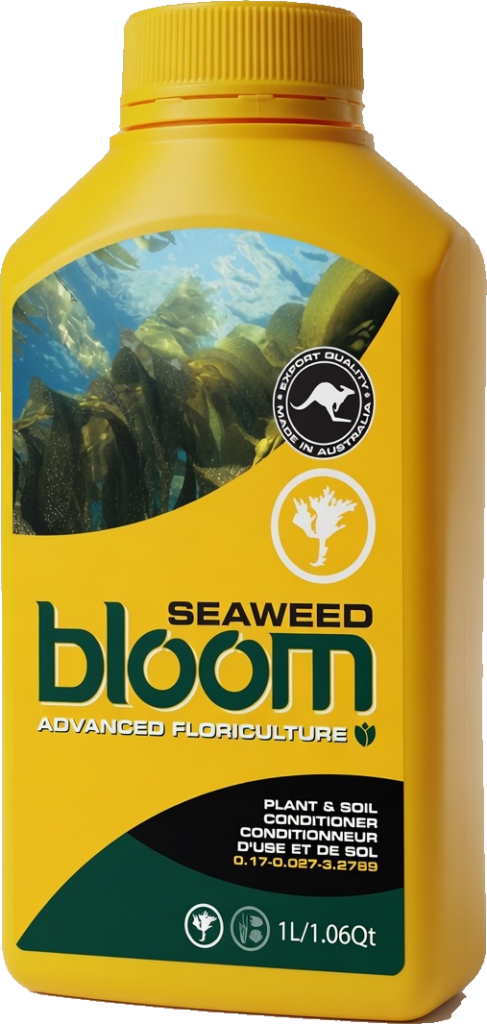
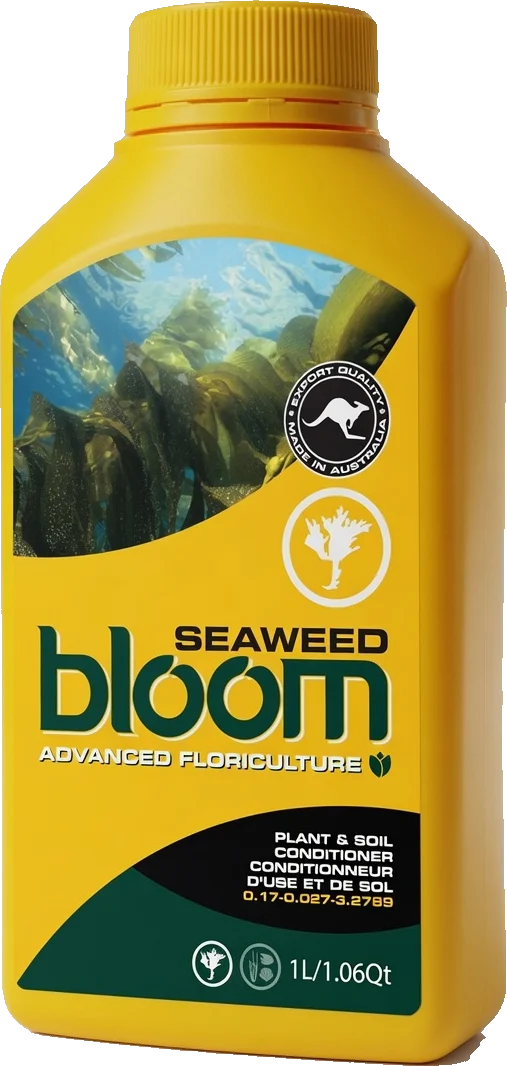
If you’re going to steep your own kelp this season, decide what you’re steeping it for before you decide how long to boil it. A quick rinse-and-soak overnight is a reasonable choice if minerals are the point. A longer simmer makes more sense if you’re after the polyphenol and phosphorus fraction. What neither method gives you is a guaranteed, repeatable analysis — the raw material itself varies by harvest, season and species, which is exactly the variability a bottled, consistent extract is built to remove from the equation. That’s a different trade-off than a right-or-wrong one, and it’s worth making on purpose instead of by habit.
There’s also a practical dilution question that comes after the steeping method, and it’s just as easy to get backwards. A longer boil or a bigger batch concentrates whatever’s being extracted, but it doesn’t change which nutrients came out in the first place — a gardener chasing more calcium by boiling longer is extracting more of the fraction that boiling is already worse at pulling out, just more slowly. If the goal is calcium, magnesium or iron, the fix isn’t a longer boil, it’s switching to the soak method and giving it the full two days rather than rushing it. If the goal is the phosphorus and polyphenol side, a shorter, hotter extraction gets there faster than an extended one does. Matching the method to the target nutrient does more for the result than adjusting time or volume within the wrong method.
None of this tells you how much of any of these nutrients your plants actually need, which is a separate question from what the tea contains. A home steep is a variable input by nature — different seaweed, different water, different steeping time every time it’s made — which is a fine trade-off for a gardener who enjoys the process, and a harder one for anyone trying to dial in a consistent feeding schedule season over season.
Related reading: The Metals Line on the Back of the Bottle, on another label disclosure worth reading at backyard scale.