Bloom Yellow Bottles

Home & Backyard Garden

byb bottle silica

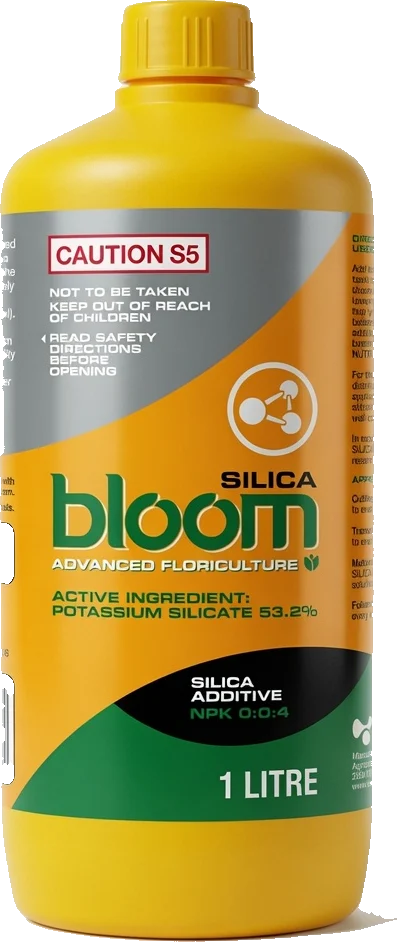
Why Pouring Seawater on Your Garden Won’t Give You Silicon

Every few summers, someone in a gardening forum swears by hauling a few gallons of seawater home and pouring it on the beds — “full of minerals,” the thinking goes, “and plants love silicon.” The silicon part is true: it’s a real, well-studied element for crop vigor. The seawater part has two separate problems, and

Why Pouring Seawater on Your Garden Won’t Give You Silicon Read More »
byb bottle roots

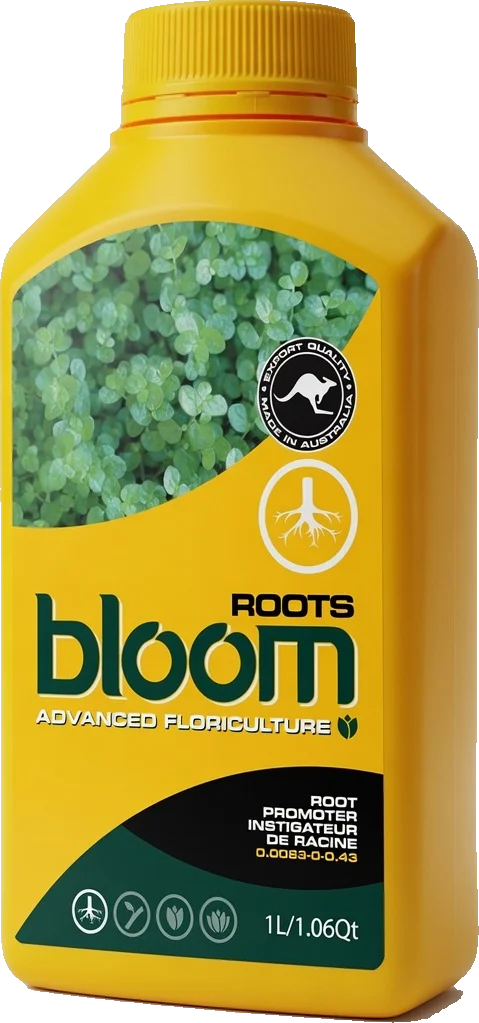
Roots Before Frost: Why Division Day Is a ROOTS Dip, Not a Feed

Product Spotlight · ROOTS Roots Before Frost: Why Division Day Is a ROOTS Dip, Not a Feed If you’re lifting and splitting hostas, daylilies, irises, or peonies this fall — or digging and replanting bulbs before the ground locks up — you’re handing the plant a pile of fresh-cut root tissue and asking it to

Roots Before Frost: Why Division Day Is a ROOTS Dip, Not a Feed Read More »

byb bottle roots

ROOTS Has a Feed Rate and a Dip Rate — Fall Transplanting Is When the Difference Matters

ROOTS Has a Feed Rate and a Dip Rate — Fall Transplanting Is When the Difference Matters Home & Backyard Garden · Overstock & Seasonal Push The ROOTS label carries two different numbers for how much to use, and it’s easy to only ever notice one of them. The ongoing feed rate is 0.5 ml/L,

ROOTS Has a Feed Rate and a Dip Rate — Fall Transplanting Is When the Difference Matters Read More »

byb bottle seaweed

The Metals Line on the Back of the Bottle, and Why It’s an Easy Question at Garden Scale

The Metals Line on the Back of the Bottle, and Why It’s an Easy Question at Garden Scale Home & Backyard Garden · Brand & Experience Flip over any bottle in the Bloom range and, underneath the guaranteed analysis, there’s a sentence most people never read: a pointer to a public registry where anyone can

The Metals Line on the Back of the Bottle, and Why It’s an Easy Question at Garden Scale Read More »

byb bottle humate

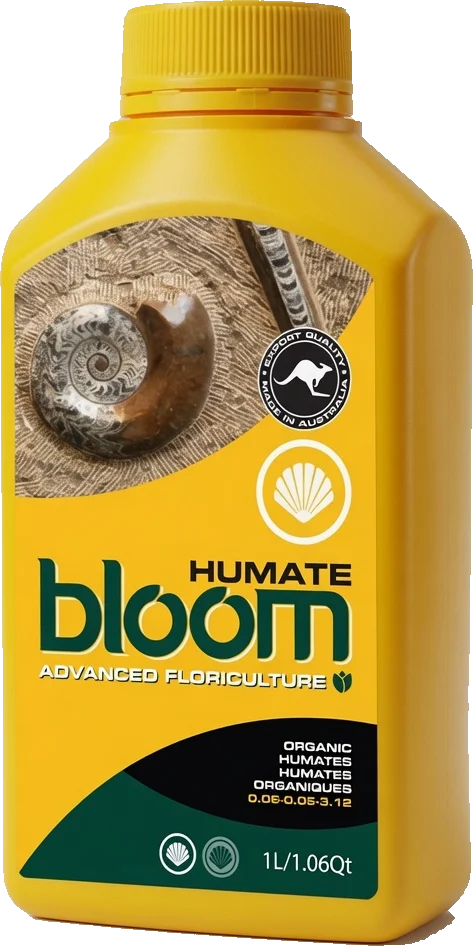
Two of Our Own Documents Say Different Things About Humate. Here’s Which One We Trust.

Two of Our Own Documents Say Different Things About Humate. Here’s Which One We Trust. Home & Backyard Garden · Brand & Experience If you ever want to check a fertilizer claim yourself instead of taking a brand’s word for it, here’s the single most useful habit: find the actual guaranteed-analysis label, not the cheat

Two of Our Own Documents Say Different Things About Humate. Here’s Which One We Trust. Read More »

byb bottle seaweed

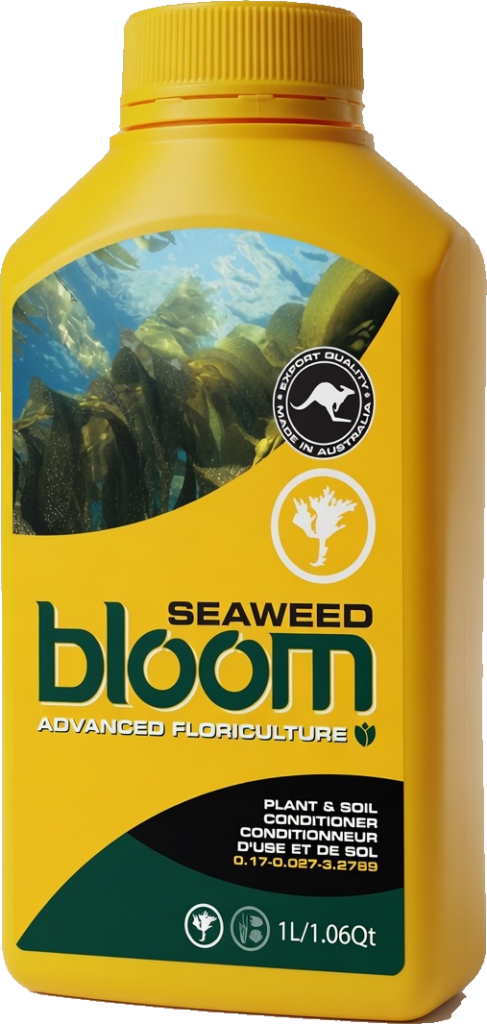
Read the “Derived From” Line Before You Buy: Why Bloom Names the Species

Read the “Derived From” Line Before You Buy: Why Bloom Names the Species Home & Backyard Garden · Brand & Experience Pick up almost any “seaweed extract” bottle at a garden center and flip it over. Most labels tell you what it’s for. Fewer tell you what it’s actually made from. By US fertilizer-labeling rules,

Read the “Derived From” Line Before You Buy: Why Bloom Names the Species Read More »

byb bottle humate

Can Vinegar Pull Humic Acid Out of Leonardite? The pH Math Says No

There’s a persistent piece of garden-forum advice that says you can pull humic acid out of leonardite, compost or even garden soil yourself with nothing more than kitchen vinegar — soak it, strain it, and you’ve made your own humic concentrate for a fraction of what a bottle costs. The chemistry behind humic acid extraction

Can Vinegar Pull Humic Acid Out of Leonardite? The pH Math Says No Read More »