
The Bloom Grower Handbook.
15 chapters, 62 pages. Feed charts, water, runoff, finishing and troubleshooting, written for the room you actually run. Every figure is sourced, and Bloom facts come straight from the label.
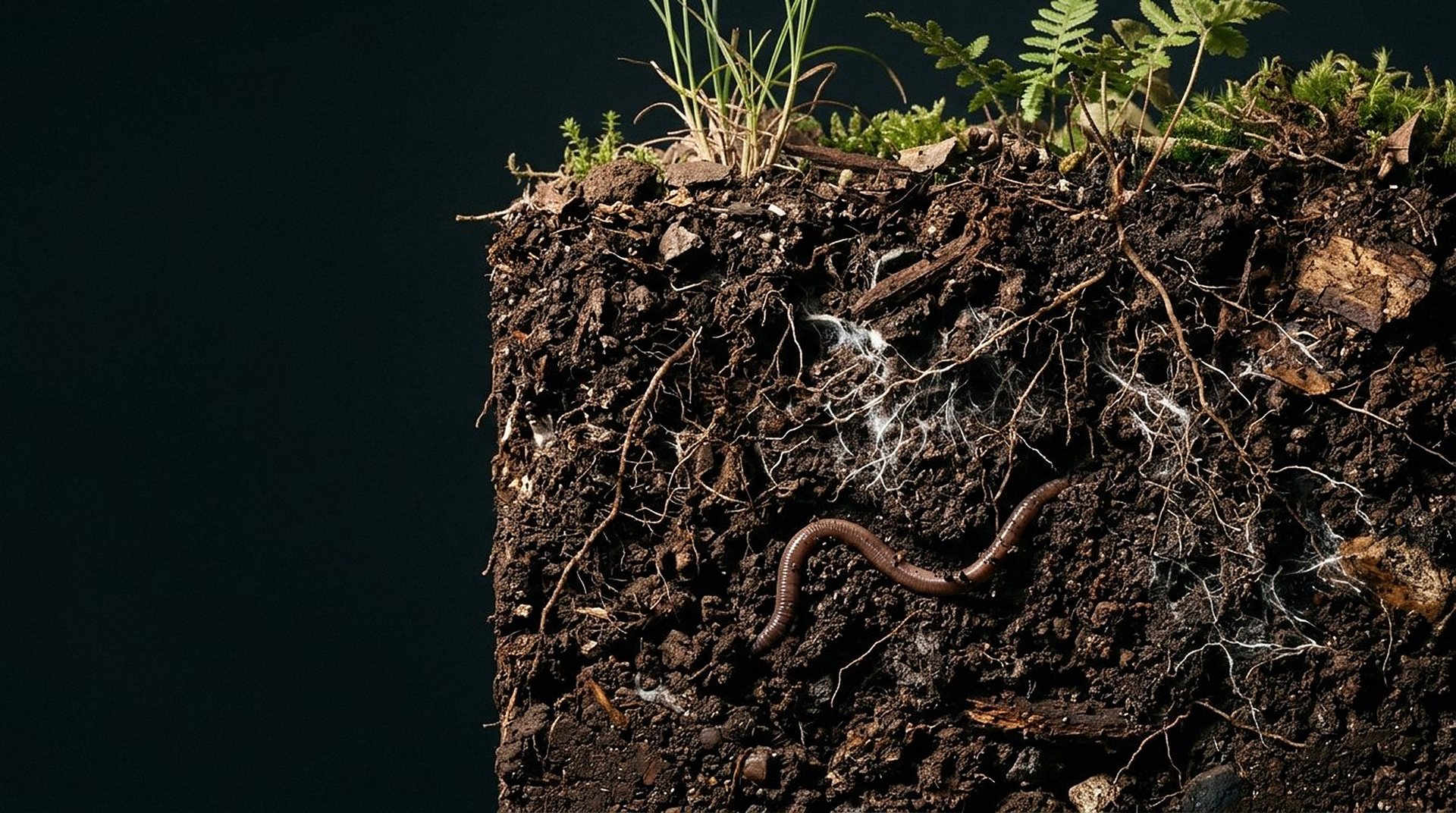 Bloom Grower Handbook
62 pages, one chapter at a time. Swipe or tap through, and pick up where you left off. Your place is saved on this device.
- 15Chapters
- 62Pages
- 3Parts
All 15 chapters, start anywhere.
Jump straight to the problem you are facing, or begin at 01 and read through.
0 of 15 chapters read
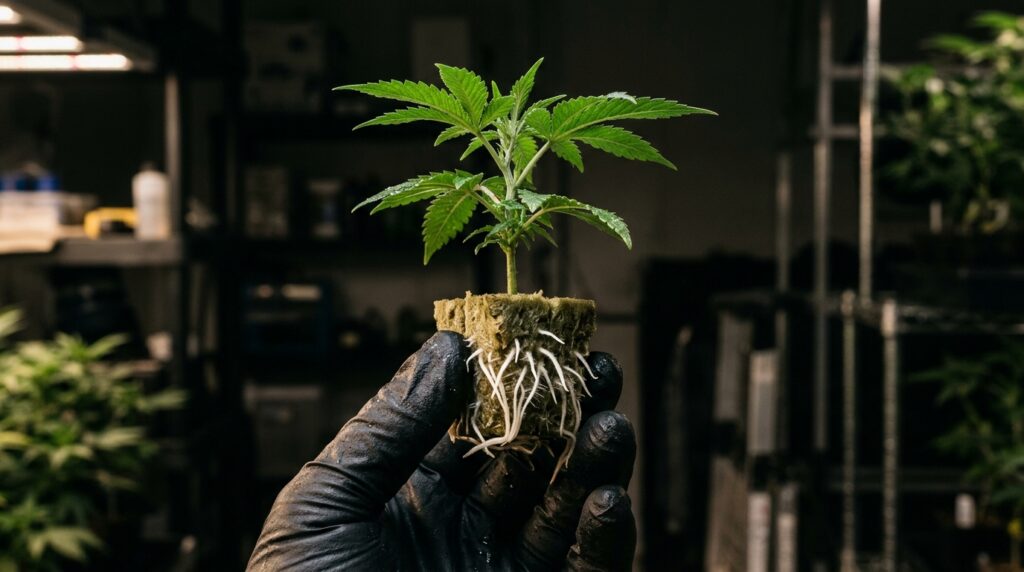 Chapter 01✓ ReadFeed it rightThe Yellow Bottle approachWhat a biostimulant is, what 81 humic studies show, and how to test one bottle fairly.Read chapter 01 →
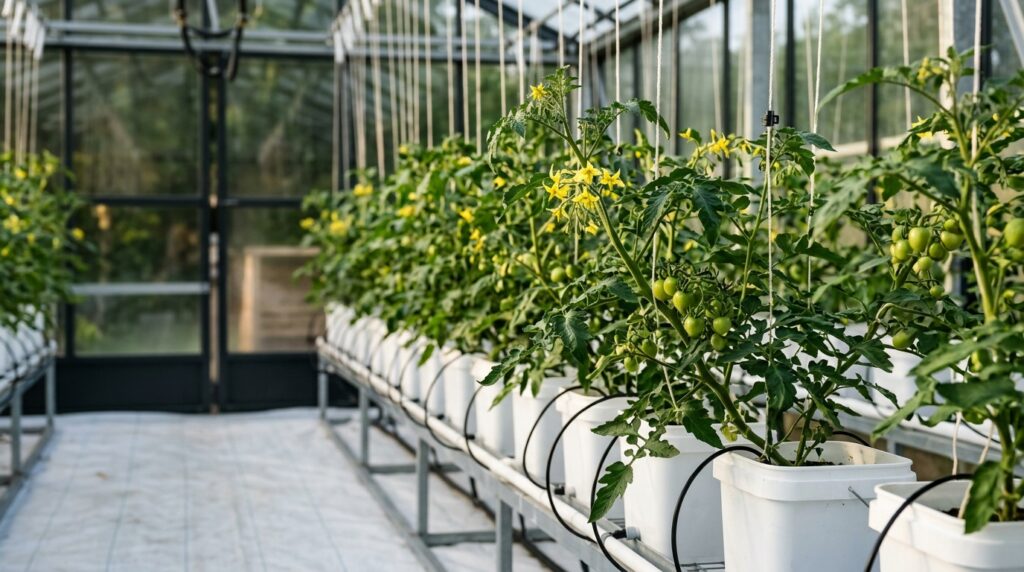 Chapter 02✓ ReadFeed it rightThe range at a glanceAll 19 bottles in price-sheet order, where each sits in the run, and how to read a rate.Read chapter 02 →
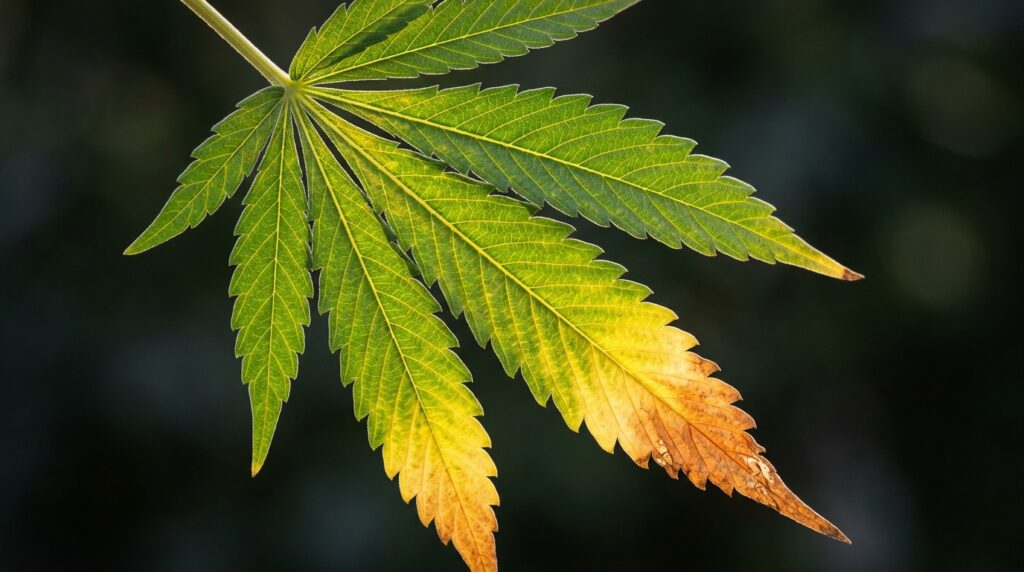 Chapter 03✓ ReadFeed it rightHow the plant uses itMobile vs immobile nutrients, why symptoms show on old or new leaves, and what is on the labels.Read chapter 03 →
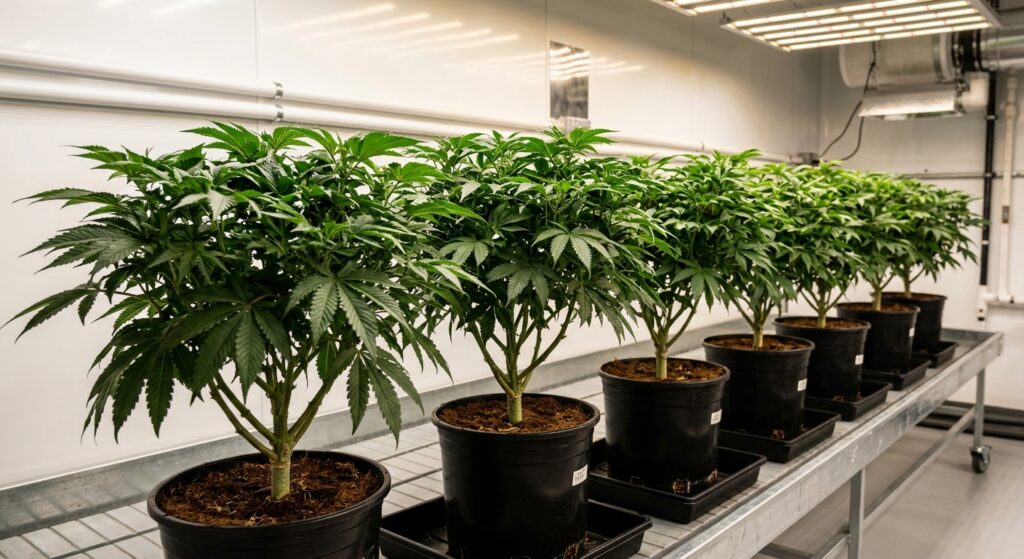 Chapter 04✓ ReadFeed it rightFeed charts by mediumWhich feed chart is yours, plus extension pH and EC ranges for hydro, soilless media and soil.Read chapter 04 →
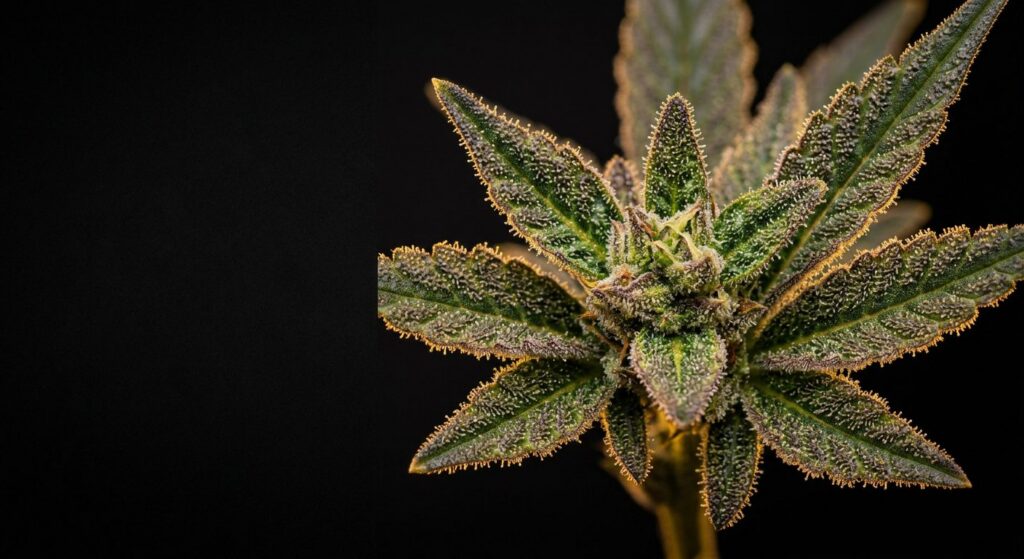 Chapter 05✓ ReadFeed it rightPhat and OozeFlower feeding research, the Phat and Ooze labels and the 8-week standard schedule.Read chapter 05 →
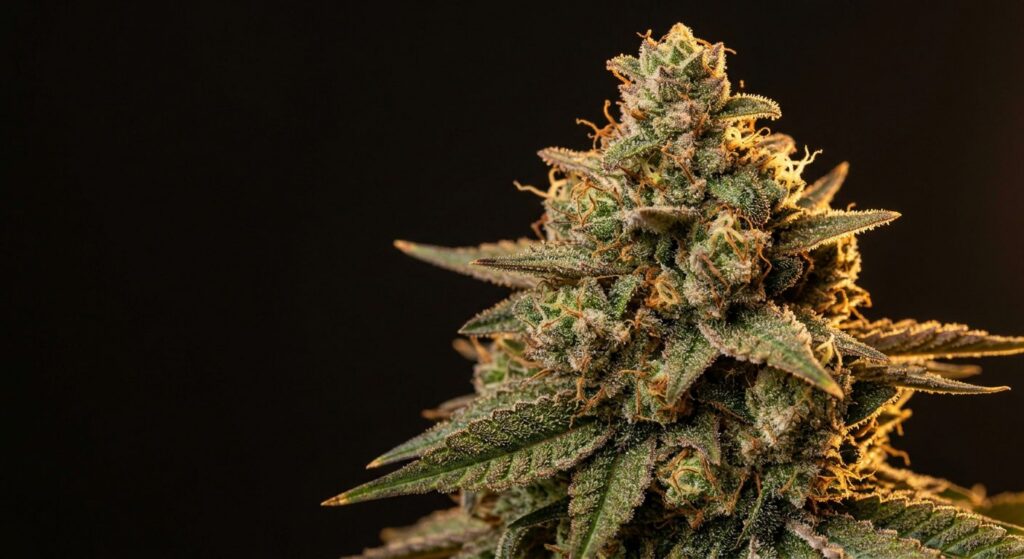 Chapter 06✓ ReadRun the roomFinish, don’t flushWhat the flushing trials measured, why nitrogen is the lever, and where Final fits.Read chapter 06 →
 Chapter 07✓ ReadRun the roomWater, EC and pHpH, EC and ppm factors, plus a simple mix-and-log routine for your water.Read chapter 07 →
 Chapter 08✓ ReadRun the roomRunoff and dry-downHow to take a PourThru runoff sample and what the EC targets mean.Read chapter 08 →
 Chapter 09✓ ReadRun the roomClimate and lightPPFD, DLI and VPD explained, with one controlled cannabis light trial.Read chapter 09 →
 Chapter 10✓ ReadRun the roomCuttings and clonesHumidity, root-zone temperature and light for rooting cuttings, and where Roots fits.Read chapter 10 →
 Chapter 11✓ ReadRun the roomKeeping it cleanHow Pythium spreads in recirculating systems and a short clean-up routine.Read chapter 11 →
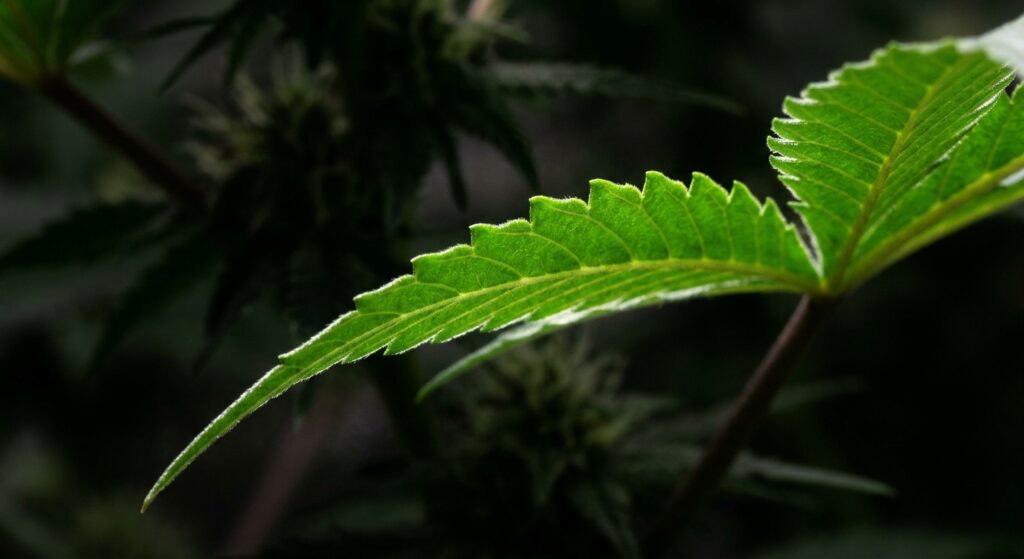 Chapter 12✓ ReadFix and prove itTroubleshootingA calm order of checks for nutrient deficiencies, with a symptom lookup table.Read chapter 12 →
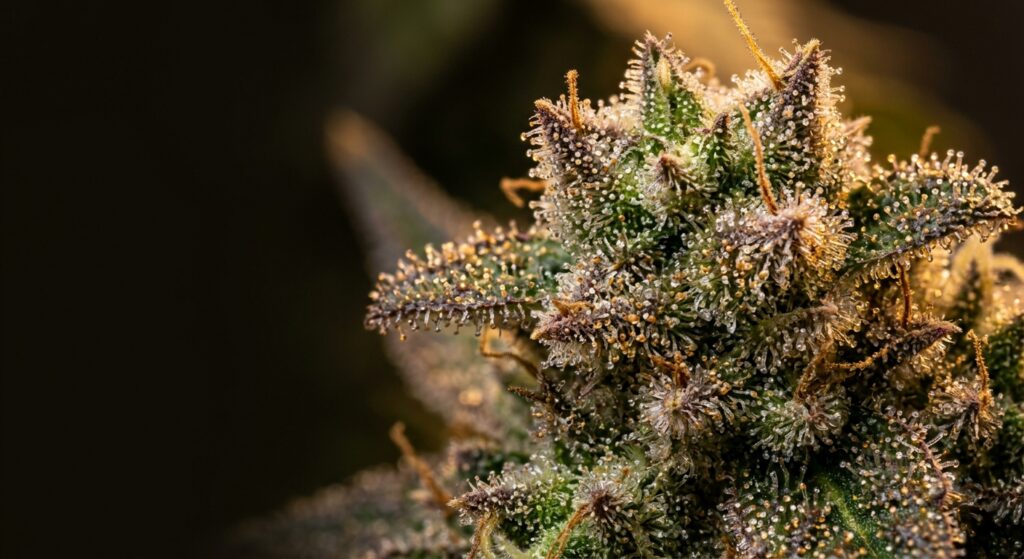 Chapter 13✓ ReadFix and prove itGrowers’ resultsReal grower words, which bottles get named most, and what opinions cannot tell you.Read chapter 13 →
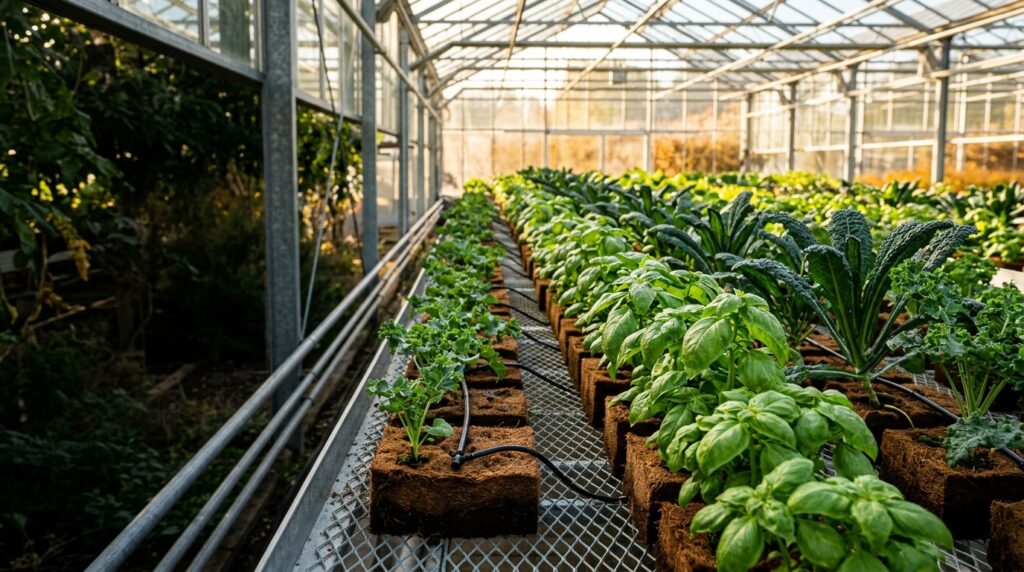 Chapter 14✓ ReadFix and prove itCompatibility: who covers whatWhich bottles overlap, why humic acid is on six labels, and a fair half-A, half-B test.Read chapter 14 →
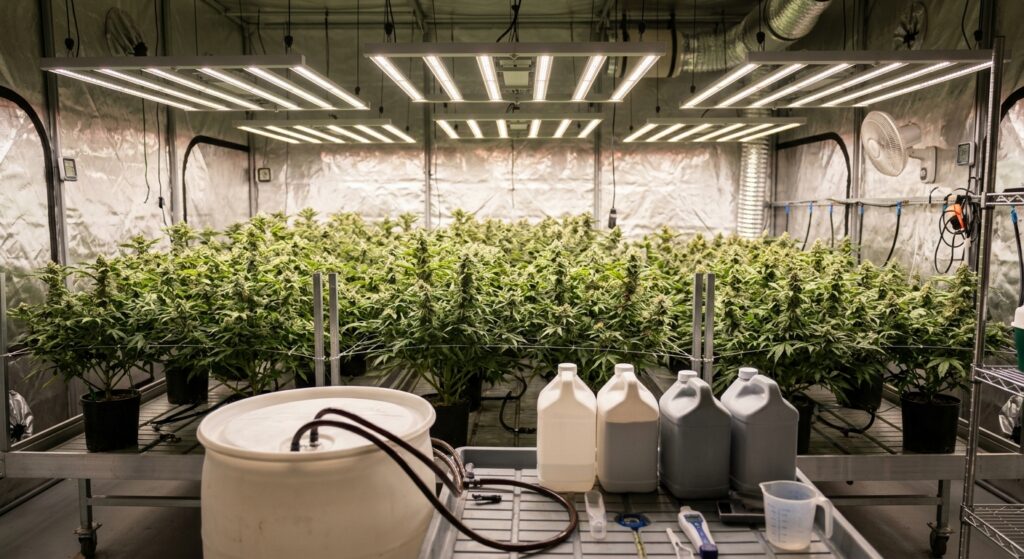 Chapter 15✓ ReadFix and prove itContact and supportHow to reach Nate and the six things to send for a useful answer.Read chapter 15 →
Who this handbook is for
Growers who run their own room and want the reasoning behind a feed chart, not just the numbers. Coco, hydro and soil are all covered, indoors and in a greenhouse. If you already run a base feed you trust, good: Bloom bottles are additives that go on top of it.
It is written by the people who sell the bottles, so it is deliberately upfront about what it does not know. We know of no published trial of Phat, Ooze or Final, and Bloom has not run a controlled one. What you get instead is the published research on the category, what is on the labels, and a way to test one bottle in your own room.
How to use it. Start with the chapter that matches your problem today. Seedlings and clones: chapter 10. Yellowing leaves: chapter 12. Odd runoff readings: chapters 7 and 8. Planning the last two weeks: chapter 6. Each chapter opens with a short key-takeaways box, then the evidence, then the bottles and how to use them, then a grower’s own words and the sources. Every chapter ends with a short FAQ and links to the previous and next chapter, so you can also read the whole thing front to back in an evening.
What is inside
Feed it right. The approach, the range at a glance, how the plant uses nutrients, feed charts by medium, and the Phat and Ooze flower pair.
Run the room. Finishing without a flush, water EC and pH, runoff and dry-down, climate and light, cuttings and clones, and keeping a system clean.
Fix and prove it. Troubleshooting, grower results, compatibility, and how to contact Nate.
How it was sourced
Every research figure comes from a peer-reviewed journal or a university extension sheet, and each chapter ends with a numbered source list. Bloom facts come from labels, feed charts and Bloom’s own records. Grower words are verbatim. Product images are renders, and stage images show how things work, not results. This is general growing information for legal crops: follow your local laws and the product label.
Related: feed charts, nutrient calculator, Fit Reports, Grower Education and grower reviews.
Download the full handbook
The whole 62 pages as one PDF, US edition, set up for US Letter. Links inside are live.
Outside the US? An AUS/UK edition on A4 exists. Email nathan@bloomyellowbottles.com and Nate will send it over.
Grower Handbook FAQ
What is in the Bloom Grower Handbook?
Fifteen chapters over 62 pages: feed charts, water, EC and pH, runoff, climate and light, cuttings, keeping a system clean, troubleshooting, grower results, compatibility and how to contact Nate. Every research figure is sourced from a journal or a university extension sheet.
Is the Grower Handbook free?
Yes. The US edition is a free PDF download, set up to print on US Letter. Every chapter is also a page on this site.
Which edition is this?
This is the US edition, with US spelling, gallons and °F alongside metric. An AUS/UK edition on A4 exists; email Nate if you want it.
Does the handbook tell me my feed rates?
No. It explains how to read the feed charts and why the numbers behave as they do. Rates for each bottle and medium are on the feed charts page, and the label wins if anything disagrees.
Does it make yield claims?
No. Research figures come from journals and extension sheets and are labeled with their scope. Grower quotes are verbatim and are opinions, not trial data. Bloom claims stay on the label and the feed charts.
Is the research about cannabis?
Some of it. The flower feeding, flush and light trials are on cannabis. The pH, EC, runoff, humidity and root-disease guidance comes from greenhouse and ornamental extension sources, and each chapter says which is which.
Do I need every Bloom bottle?
No. Bloom bottles are additives that go on top of the base feed you already run, and nobody needs the whole range. The handbook shows how to test one bottle in your own room.
How do I ask a question about my run?
Email nathan@bloomyellowbottles.com or DM @bloomyellowbottles or @bloom_crew_nate on Instagram. Chapter 15 lists the six things to send for a useful answer.