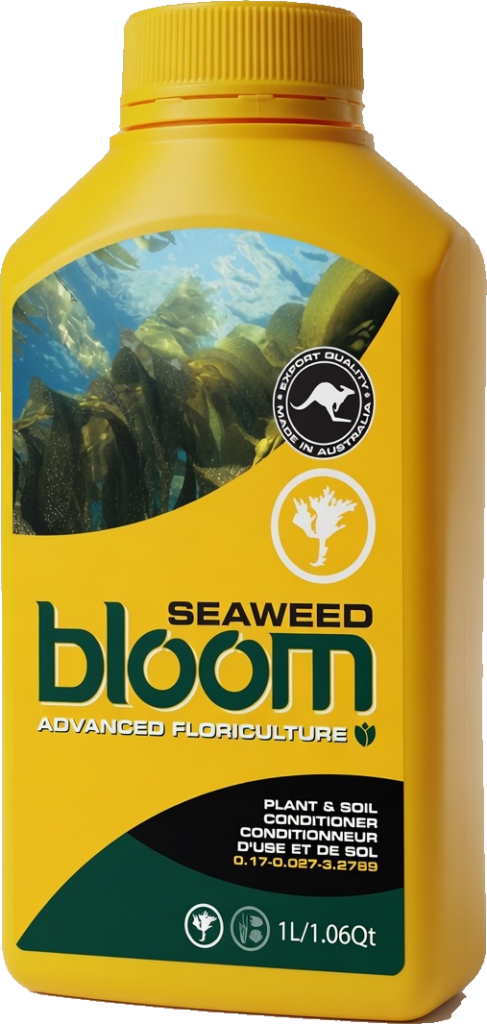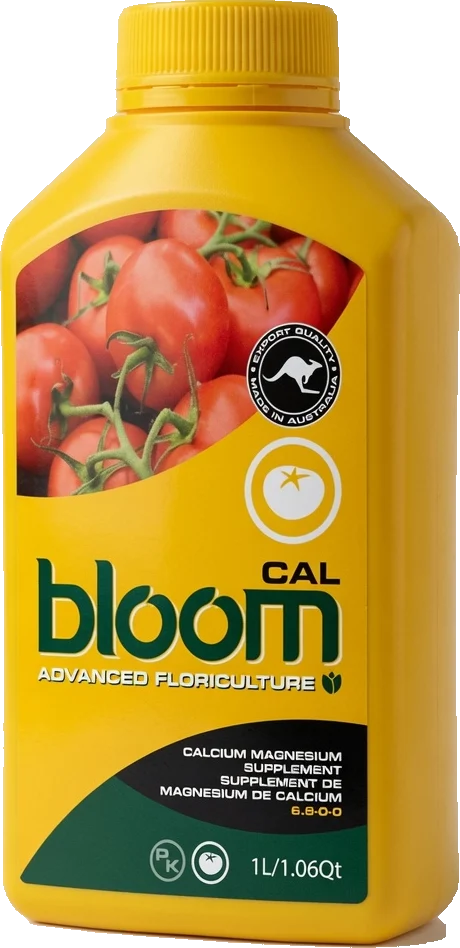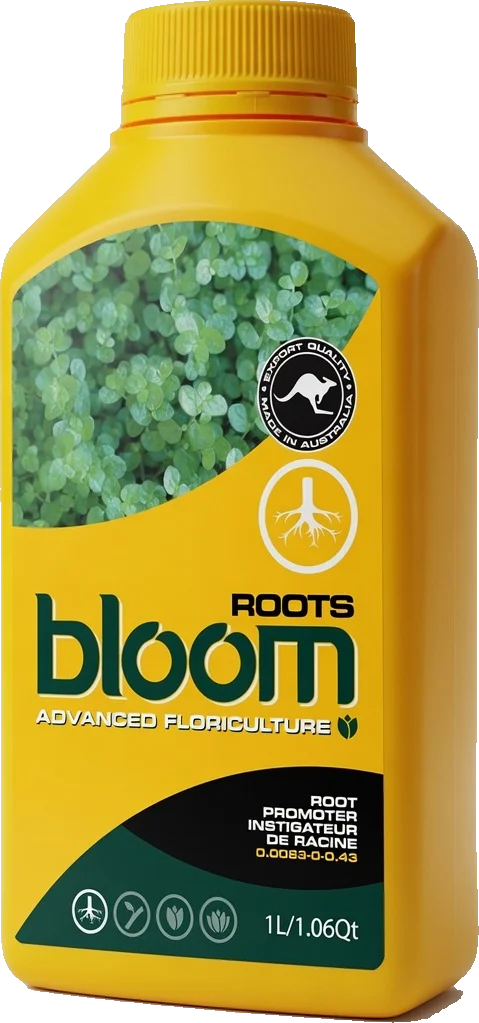
Bloom Yellow Bottles

byb bottle roots

The Rooting Compound With a Window, Not a Dial: What Salicylic Acid Actually Does to Roots

Willow bark’s reputation as a DIY rooting aid usually gets explained through salicylic acid — the same compound behind aspirin, and a real plant signaling molecule. What rarely makes it into the pitch is that salicylic acid’s effect on root formation isn’t a dial you can turn up for a stronger result. It’s a narrow
The Rooting Compound With a Window, Not a Dial: What Salicylic Acid Actually Does to Roots Read More »

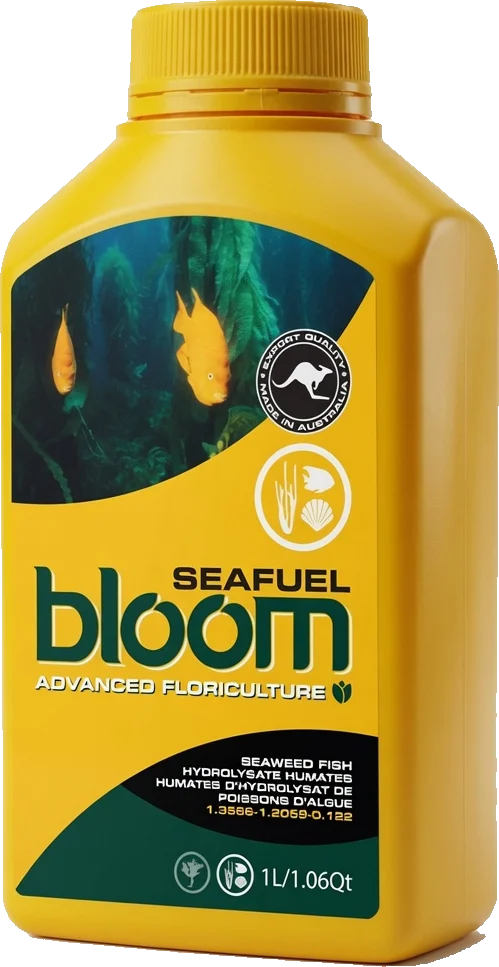
byb bottle seafuel

More Fish Hydrolysate Isn’t Better: What a Root-Drench Dose Curve Actually Showed

It’s a reasonable instinct in a hydro room: if a fish hydrolysate feed is helping root development, a stronger dose should help more. A 2024 root-drench trial on primrose tested that instinct directly, at three doses of an enzymatically processed anchovy by-product hydrolysate, and the answer it got back was not a straight line. The

More Fish Hydrolysate Isn’t Better: What a Root-Drench Dose Curve Actually Showed Read More »

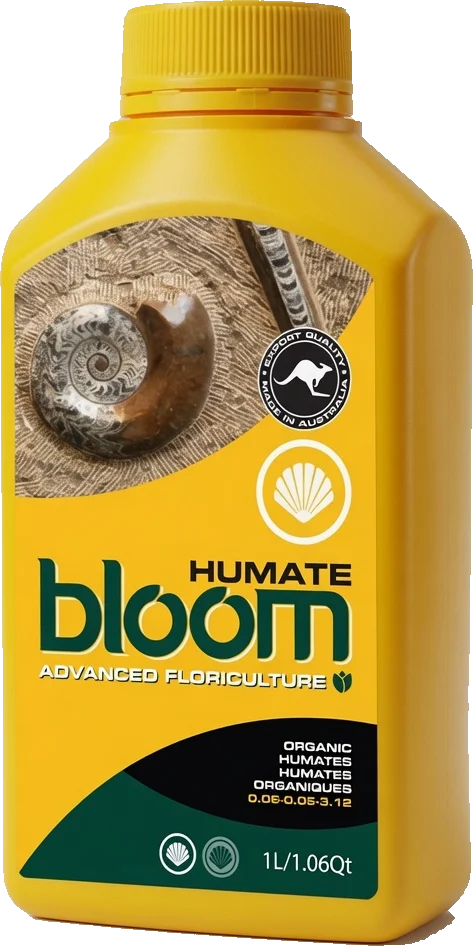
byb bottle humate

Why the Potassium Source in Humate Matters More in a Pot That Never Gets Flushed

Why the Potassium Source in Humate Matters More in a Pot That Never Gets Flushed A hydroponic reservoir gets dumped and rebuilt on a schedule. A cut-flower production bed, grown in a soilless substrate across an entire crop cycle, doesn’t get that reset — irrigation leaches some of what accumulates, but a bag of substrate

Why the Potassium Source in Humate Matters More in a Pot That Never Gets Flushed Read More »

byb bottle seafuel

The Fish-Protein Nitrogen Number You Can’t Audit

The Fish-Protein Nitrogen Number You Can’t Audit Nitrogen-use efficiency gets talked about a lot at field scale — matching rate to crop demand, timing splits to uptake curves, cutting the nitrogen that just leaches or volatilizes before it ever reaches a root. Almost all of that conversation assumes the nitrogen content printed on the input

The Fish-Protein Nitrogen Number You Can’t Audit Read More »

byb bottle roots

Why You Can’t Isolate the “One Active Ingredient” in a Seaweed Extract

Why You Can’t Isolate the “One Active Ingredient” in a Seaweed Extract Specialty growers who keep a small, closely watched collection — bonsai, orchids, terrarium epiphytes — tend to think in ingredients. If a seaweed extract is doing something good for root development, the instinct is to ask which molecule in the bottle is responsible,

Why You Can’t Isolate the “One Active Ingredient” in a Seaweed Extract Read More »

byb bottle seaweed

The Sea-Mineral Industry Can’t Agree on Whether Salt Is the Problem

Shop around for a sea-mineral garden product and you’ll run into two completely opposite philosophies, both sold with confidence. One camp strips the sodium chloride out before bottling. The other camp leaves it in on purpose — and argues that removing it is the real mistake. Neither side is lying. They’re just solving for different

The Sea-Mineral Industry Can’t Agree on Whether Salt Is the Problem Read More »

byb bottle calmag

Why Nobody Builds a Cal-Mag Product Out of Seawater

A greenhouse grower chasing calcium and magnesium for cut flowers sometimes lands on the idea that a mineral-rich ocean input — a sea mineral product, a home-brewed seawater tonic — ought to cover both. The ocean is, after all, full of calcium and magnesium. The ratio those two minerals actually arrive in, though, runs backwards

Why Nobody Builds a Cal-Mag Product Out of Seawater Read More »

byb bottle seafuel

The Word “Hydrolysate” Is Doing More Work Than You Think

Most growers skim right past the word “hydrolysate” on a fish-input label. It reads like packaging language. It isn’t — it’s naming a specific manufacturing choice, and that choice shows up later as a measurable difference in what actually reaches the plant. Two different ways to take a fish apart The USDA’s own technical evaluation

The Word “Hydrolysate” Is Doing More Work Than You Think Read More »