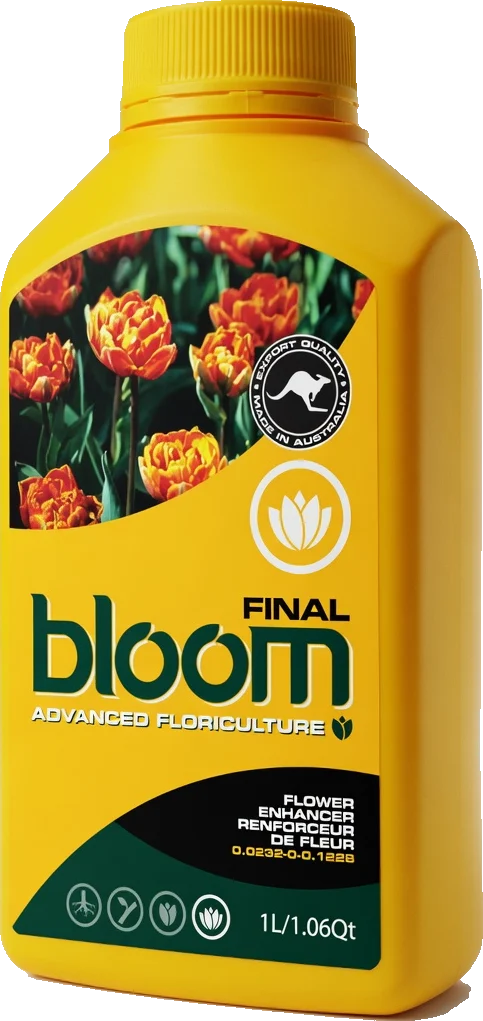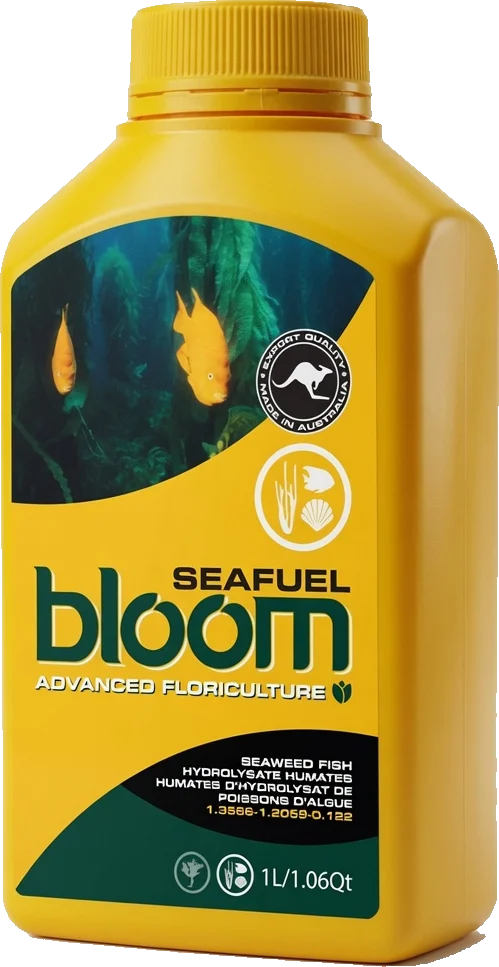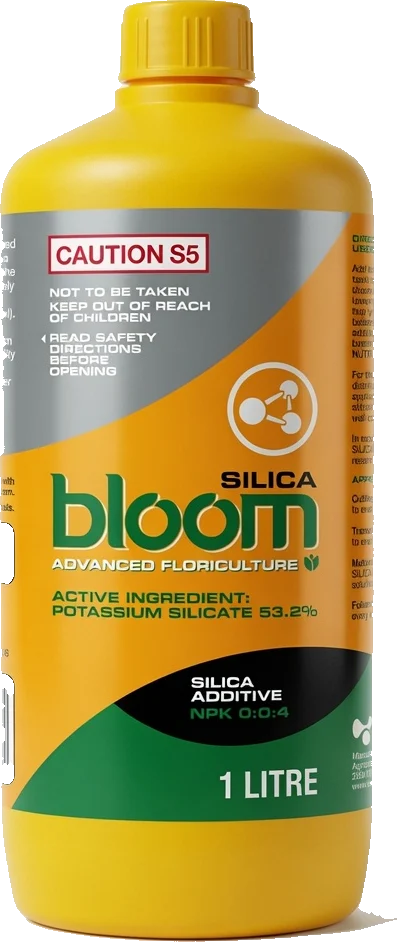
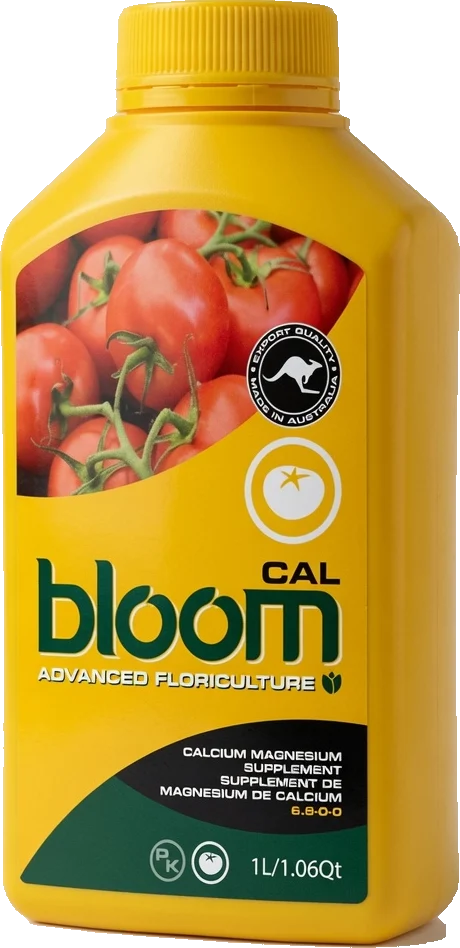
Bloom Yellow Bottles

byb bottle silica

Two Routes to “Potassium Silicate” — and Why Your Label Doesn’t Tell You Which One

Specialty collections — bonsai, orchids, succulents, the kind of growing where every bottle on the shelf gets measured by the drop — have picked up silicon supplements over the last few years, usually labeled simply “potassium silicate,” dosed in the kind of amounts measured by the milliliter. That one phrase covers two genuinely different industrial

Two Routes to “Potassium Silicate” — and Why Your Label Doesn’t Tell You Which One Read More »
byb bottle silica

Not Every Crop in the Rotation Is a Silicon Accumulator

Silicon amendments have been showing up more in broadacre conversations — stronger stems, better lodging resistance, some disease tolerance. Before any of that gets decided at field scale, there’s a question that comes before the soil test: does the crop actually going into that ground take up meaningful silicon in the first place? Not every

Not Every Crop in the Rotation Is a Silicon Accumulator Read More »

byb bottle seafuel

A Fish Input Isn’t One Raw Material — Ash Content Alone Changes How Much Acid It Needs

A cut-flower propagation bench runs on consistency — the same base feed, cutting after cutting, bench after bench. That’s exactly why “fish fertilizer” is a harder input to standardize than most growers assume. The raw material itself isn’t one thing. Depending on what kind of fish or fish part goes in, the composition shifts enough

A Fish Input Isn’t One Raw Material — Ash Content Alone Changes How Much Acid It Needs Read More »

byb bottle seafuel

The Same Fish Protein, Two Processes, Two Different Amino Acid Profiles

A small reservoir sitting on a kitchen counter, feeding a houseplant in LECA or a semi-hydro setup, doesn’t get flushed often. Whatever’s actually in a fish-derived input matters more there than in a run-to-waste system that gets rinsed every week. So it’s worth asking a question most feed charts skip entirely: when two bottles both

The Same Fish Protein, Two Processes, Two Different Amino Acid Profiles Read More »

byb bottle seafuel

Most Fish Fertilizer on the Shelf Isn’t Actually Emulsion

Ask most gardeners what “fish fertilizer” means and they’ll describe the same thing: a bottle of emulsion, usually with a reputation for smell. That mental picture isn’t wrong, exactly — it’s just not the whole category anymore. A 2019 USDA survey of OMRI-listed fish-based fertilizers found that hydrolysate products now make up roughly as much

Most Fish Fertilizer on the Shelf Isn’t Actually Emulsion Read More »

byb bottle seafuel

The Fish in Seafuel Comes From a Fishery With Its Own Paperwork Trail

Seafuel’s label declares two sources, plainly: Durvillaea potatorum (seaplant extract) and Hydrolized Blue Fin Tuna (fish hydrolysate). Most growers read “fish hydrolysate” and move on to dosing. Fewer ask where the fish part actually comes from, or whether that fishery is the kind that gets tracked on paper. It is — and the paper trail

The Fish in Seafuel Comes From a Fishery With Its Own Paperwork Trail Read More »

byb bottle seafuel

Fish Scraps Aren’t a Standard Input: What Actually Decides How Much Acid a Fall Ferment Needs

Fall is when a lot of home growers start their first fish ferment — fish scraps, a jar, something to feed the garden through the last weeks of the season. The recipes online mostly agree on the broad strokes and quietly disagree, or just stay silent, on one detail that actually determines whether the batch

Fish Scraps Aren’t a Standard Input: What Actually Decides How Much Acid a Fall Ferment Needs Read More »

byb bottle silica

Why Silicon Products Are Chemically Fussy — and Why We’re Not Printing a Number for Ours Yet

Cut-flower and ornamental growers ask us about silicon more than almost any other category — stronger stems mean fewer snapped blooms on the bench and fewer bent stalks in the vase. It’s a reasonable thing to want. It’s also a product category that’s chemically fussier than most growers realize, and we think that’s worth explaining

Why Silicon Products Are Chemically Fussy — and Why We’re Not Printing a Number for Ours Yet Read More »