Bloom Yellow Bottles

Floriculture & Ornamental

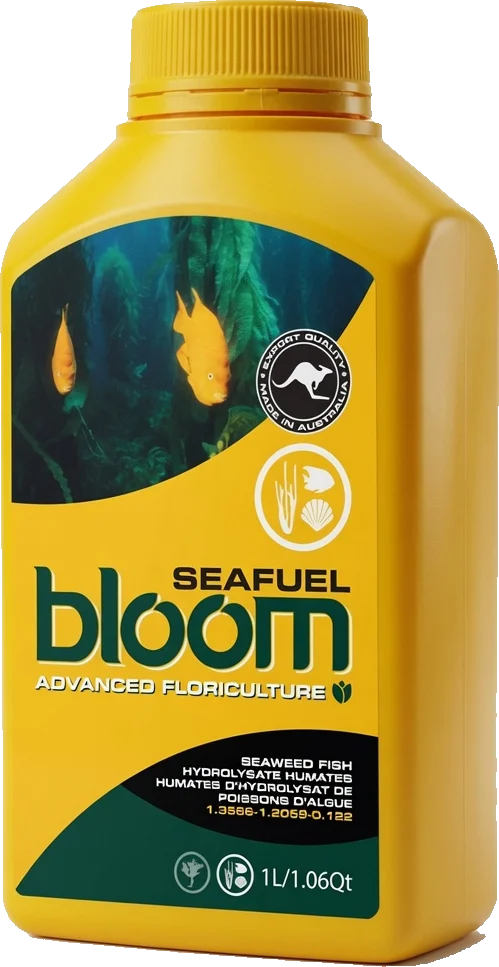
byb bottle seafuel

A Fish Input Isn’t One Raw Material — Ash Content Alone Changes How Much Acid It Needs

A cut-flower propagation bench runs on consistency — the same base feed, cutting after cutting, bench after bench. That’s exactly why “fish fertilizer” is a harder input to standardize than most growers assume. The raw material itself isn’t one thing. Depending on what kind of fish or fish part goes in, the composition shifts enough

A Fish Input Isn’t One Raw Material — Ash Content Alone Changes How Much Acid It Needs Read More »

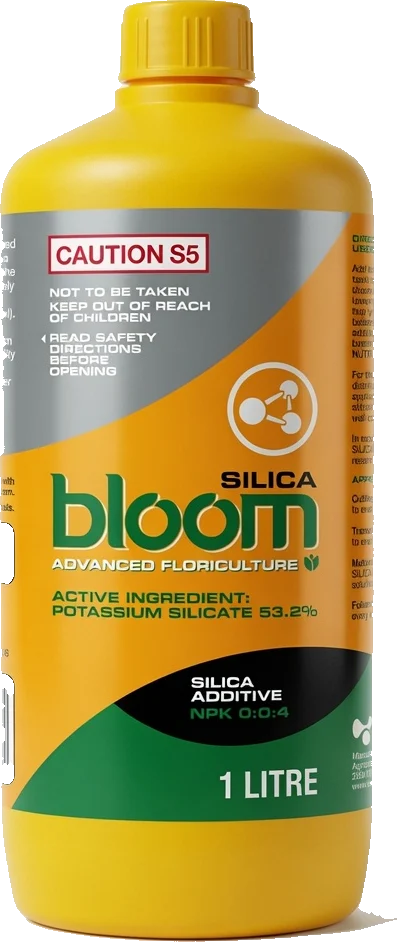
byb bottle silica

Why Silicon Products Are Chemically Fussy — and Why We’re Not Printing a Number for Ours Yet

Cut-flower and ornamental growers ask us about silicon more than almost any other category — stronger stems mean fewer snapped blooms on the bench and fewer bent stalks in the vase. It’s a reasonable thing to want. It’s also a product category that’s chemically fussier than most growers realize, and we think that’s worth explaining

Why Silicon Products Are Chemically Fussy — and Why We’re Not Printing a Number for Ours Yet Read More »

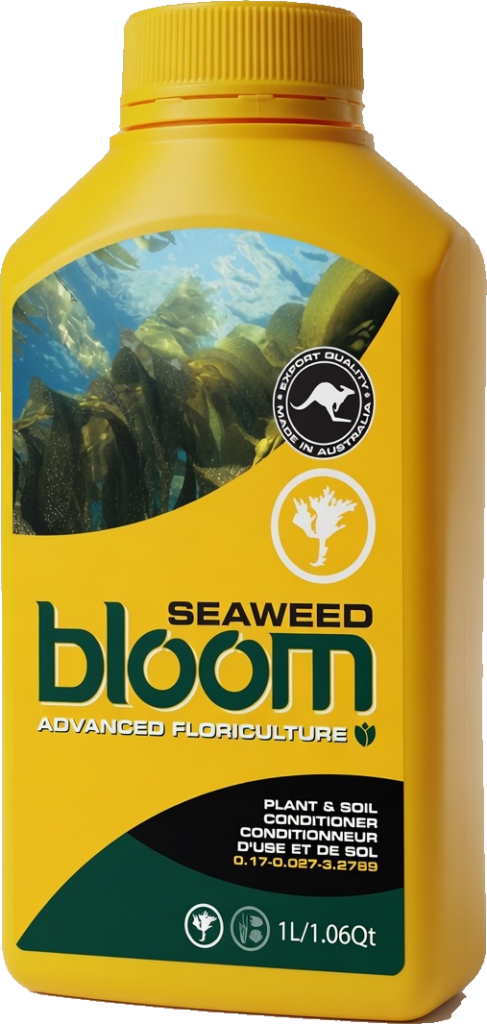
byb bottle seaweed

The Best Published Root Data for Our Declared Seaweed Species Isn’t Ours to Claim

The Best Published Root Data for Our Declared Seaweed Species Isn’t Ours to Claim Bloom Seaweed’s label declares one input: Durvillaea potatorum, a brown seaweed harvested off southern Australia, at 0.17-0.027-3.278 and a 1 ml/L rate. It’s a real, useful piece of brand honesty to sit with the fact that the best field trial data

The Best Published Root Data for Our Declared Seaweed Species Isn’t Ours to Claim Read More »

byb bottle seaweed

A “Live” Tea and a Sterile One Don’t Behave the Same in the Greenhouse — Here’s the Study That Shows Why

A “Live” Tea and a Sterile One Don’t Behave the Same in the Greenhouse — Here’s the Study That Shows Why Compost tea gets talked about in two completely different registers in a cut-flower or ornamental greenhouse: as a nutrient boost, and as something that might help a bench of cuttings fight off fungal pressure.

A “Live” Tea and a Sterile One Don’t Behave the Same in the Greenhouse — Here’s the Study That Shows Why Read More »

byb bottle roots

The Study That Found Compost Tea Low-Risk — and Why We’re Printing It Anyway

The Study That Found Compost Tea Low-Risk — and Why We’re Printing It Anyway Anyone who has spent time around DIY ferments and compost teas has heard the warning: additives like kelp, fish hydrolysate and humic acid can let dormant pathogens in a brew multiply. It’s a real, sourced finding — USDA Agricultural Research Service

The Study That Found Compost Tea Low-Risk — and Why We’re Printing It Anyway Read More »

byb bottle roots

The Rooting Compound With a Window, Not a Dial: What Salicylic Acid Actually Does to Roots

Willow bark’s reputation as a DIY rooting aid usually gets explained through salicylic acid — the same compound behind aspirin, and a real plant signaling molecule. What rarely makes it into the pitch is that salicylic acid’s effect on root formation isn’t a dial you can turn up for a stronger result. It’s a narrow

The Rooting Compound With a Window, Not a Dial: What Salicylic Acid Actually Does to Roots Read More »

byb bottle humate

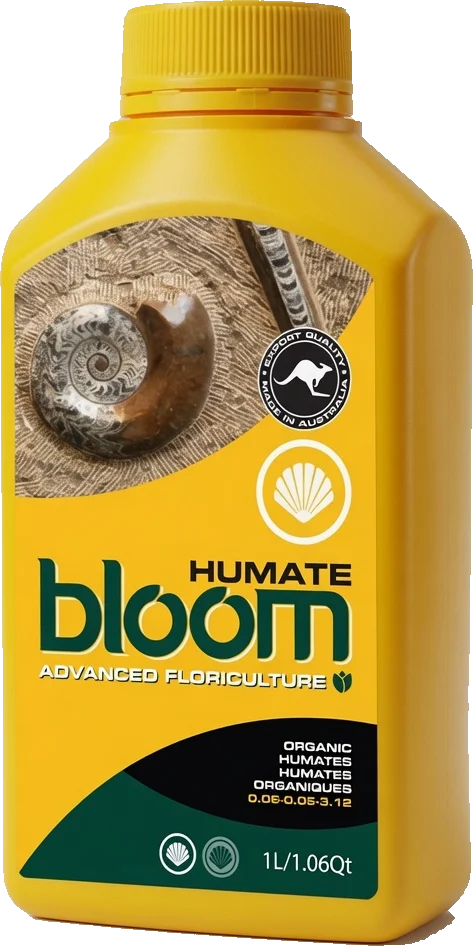
Why the Potassium Source in Humate Matters More in a Pot That Never Gets Flushed

Why the Potassium Source in Humate Matters More in a Pot That Never Gets Flushed A hydroponic reservoir gets dumped and rebuilt on a schedule. A cut-flower production bed, grown in a soilless substrate across an entire crop cycle, doesn’t get that reset — irrigation leaches some of what accumulates, but a bag of substrate

Why the Potassium Source in Humate Matters More in a Pot That Never Gets Flushed Read More »

byb bottle calmag

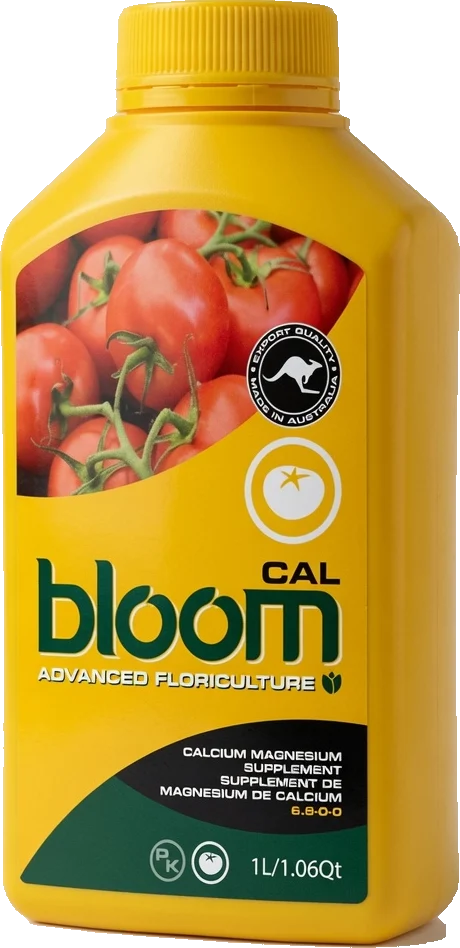
Why Nobody Builds a Cal-Mag Product Out of Seawater

A greenhouse grower chasing calcium and magnesium for cut flowers sometimes lands on the idea that a mineral-rich ocean input — a sea mineral product, a home-brewed seawater tonic — ought to cover both. The ocean is, after all, full of calcium and magnesium. The ratio those two minerals actually arrive in, though, runs backwards

Why Nobody Builds a Cal-Mag Product Out of Seawater Read More »

byb bottle roots

What the Small Trials on Rooting Aids Actually Show — and Why a Cut-Flower Bench Needs More Than a Headline Number

Every propagation season, some version of the same claim does the rounds on grower forums: a splash of fresh aloe gel in the dip water, and your strike rate jumps. The claim usually points at one trial or another to back it up. Worth actually reading those trials before a cutting bench gets built around

What the Small Trials on Rooting Aids Actually Show — and Why a Cut-Flower Bench Needs More Than a Headline Number Read More »