Australian made · 26 years · Organic inputs

Bloom Yellow Bottles

Cannabis & Indoor Hydro

Bloom Pre bottle

The Cheat Sheet Said 4 ml/L. The Feed Chart Says 1. Here’s Which One We’d Trust With Our Own Reservoir.

The Cheat Sheet Said 4 ml/L. The Feed Chart Says 1. Here’s Which One We’d Trust With Our Own Reservoir. A grower messaged us a photo of two Bloom documents open side by side: our own cheat sheet, printed with a 4 ml/L dose for Pre, and our own feed chart, printed with 1 ml/L. Same product, same
The Cheat Sheet Said 4 ml/L. The Feed Chart Says 1. Here’s Which One We’d Trust With Our Own Reservoir. Read More »

Bloom Seafuel bottle

Stock Up Before Flower: Why Seafuel’s Process Is a Shelf-Life Decision

Flowering season has a way of turning a “we’ll grab more next week” supply habit into a scramble. If Seafuel is part of a finishing program, the better question to ask before the room flips to flower isn’t just how much to buy — it’s how that bottle holds up sitting in a cabinet for

Stock Up Before Flower: Why Seafuel’s Process Is a Shelf-Life Decision Read More »

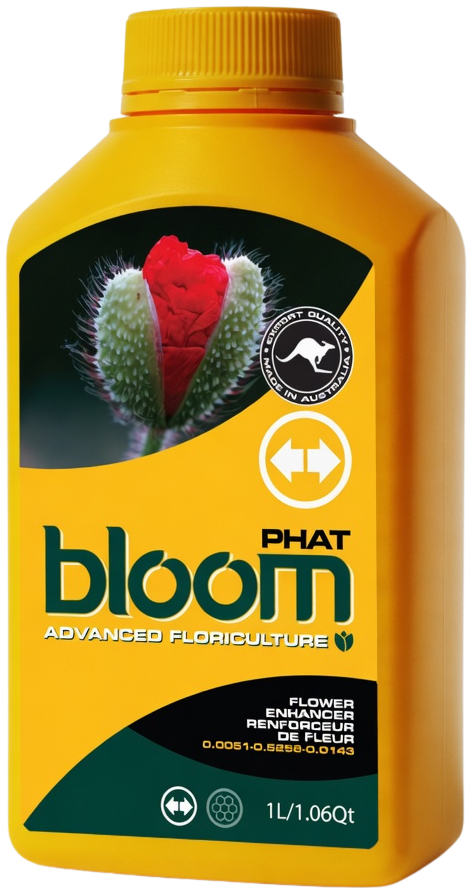
Bloom Phat bottle

The Asterisk We Should Put Next to Our Own Terpene Data

Every terpene figure in our published finishing comparison — the one behind the “4.2× the myrcene, 2.1× the linalool” numbers growers have seen us cite — traces back exactly to a real SC Labs PhytoFacts report, two flower samples from the same commercial cultivation partner, same cultivar, same room, one batch finished with PHAT and

The Asterisk We Should Put Next to Our Own Terpene Data Read More »

Bloom Groigen bottle

Same Fish, Different Rate: Why Groigen and Florigen Get Sprayed, Not Fed

Same Fish, Different Rate: Why Groigen and Florigen Get Sprayed, Not Fed Seafuel, Groigen and Florigen all trace back to the same marine base — Southern Blue Fin Tuna hydrolysate. So why does Seafuel go into the reservoir at 1 ml/L while Groigen and Florigen get mixed at 20 ml/L and sprayed on the leaves?

Same Fish, Different Rate: Why Groigen and Florigen Get Sprayed, Not Fed Read More »

Bloom Seafuel bottle

The Fish in Seafuel Comes From a Fishery With Its Own Paperwork Trail

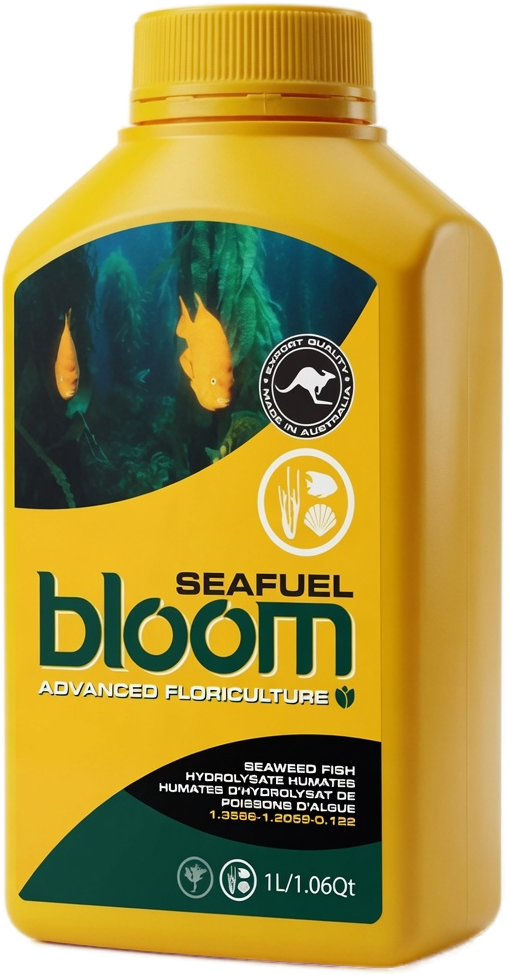
Seafuel’s label declares two sources, plainly: Durvillaea potatorum (seaplant extract) and Hydrolized Blue Fin Tuna (fish hydrolysate). Most growers read “fish hydrolysate” and move on to dosing. Fewer ask where the fish part actually comes from, or whether that fishery is the kind that gets tracked on paper. It is — and the paper trail

The Fish in Seafuel Comes From a Fishery With Its Own Paperwork Trail Read More »

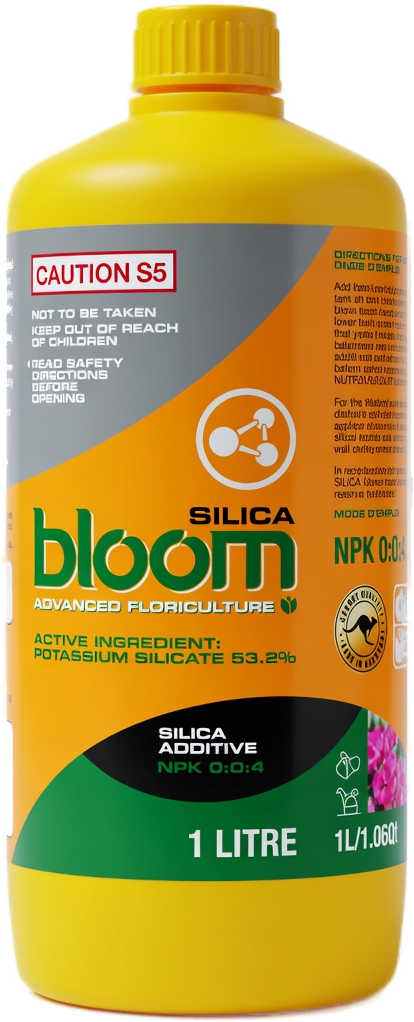
Bloom Silica bottle

The Silicon Research Behind Thicker Stems Was Run on Grasses. Cannabis Isn’t One

Silicon supplements have a strong reputation in cannabis growing — thicker stems, stronger cell walls, better stress tolerance. Most of that reputation was built on crops that have almost nothing in common with cannabis botanically: rice, sugarcane, wheat, turf grass. Before assuming the same effect size carries over, it’s worth asking a basic question —

The Silicon Research Behind Thicker Stems Was Run on Grasses. Cannabis Isn’t One Read More »

Bloom Seafuel bottle

Two Hydrolysates That Actually Worked, From a Review Built to Report the Ones That Didn’t

Two Hydrolysates That Actually Worked, From a Review Built to Report the Ones That Didn’t A 2020 review of fish-derived biostimulants went looking for the full picture — the failures as well as the wins. Two of the wins are worth a hydro grower’s attention. Most of what gets written about fish-derived plant inputs on

Two Hydrolysates That Actually Worked, From a Review Built to Report the Ones That Didn’t Read More »

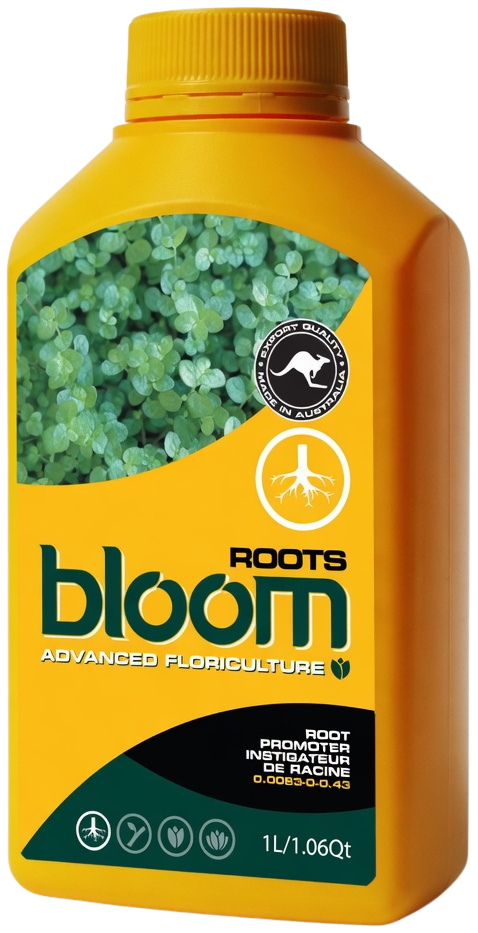
Bloom Roots bottle

The Seaweed Species With a 99.8% Yield Jump Isn’t the One in Our Bottle

The Seaweed Species With a 99.8% Yield Jump Isn’t the One in Our Bottle If you spend enough time in the seaweed-biostimulant literature, you eventually run into a number that stops you: one species, in the largest meta-analysis of the field to date, is associated with a 99.8% yield increase. That’s not a typo and

The Seaweed Species With a 99.8% Yield Jump Isn’t the One in Our Bottle Read More »

Bloom Seafuel bottle

More Fish Hydrolysate Isn’t Better: What a Root-Drench Dose Curve Actually Showed

It’s a reasonable instinct in a hydro room: if a fish hydrolysate feed is helping root development, a stronger dose should help more. A 2024 root-drench trial on primrose tested that instinct directly, at three doses of an enzymatically processed anchovy by-product hydrolysate, and the answer it got back was not a straight line. The

More Fish Hydrolysate Isn’t Better: What a Root-Drench Dose Curve Actually Showed Read More »

New to Bloom? Your one-time 30% thank-you is waiting.One-time 30% for first-timersClaim my 30%