Australian made · 26 years · Organic inputs

Bloom Yellow Bottles

Bloom Yellow Bottles

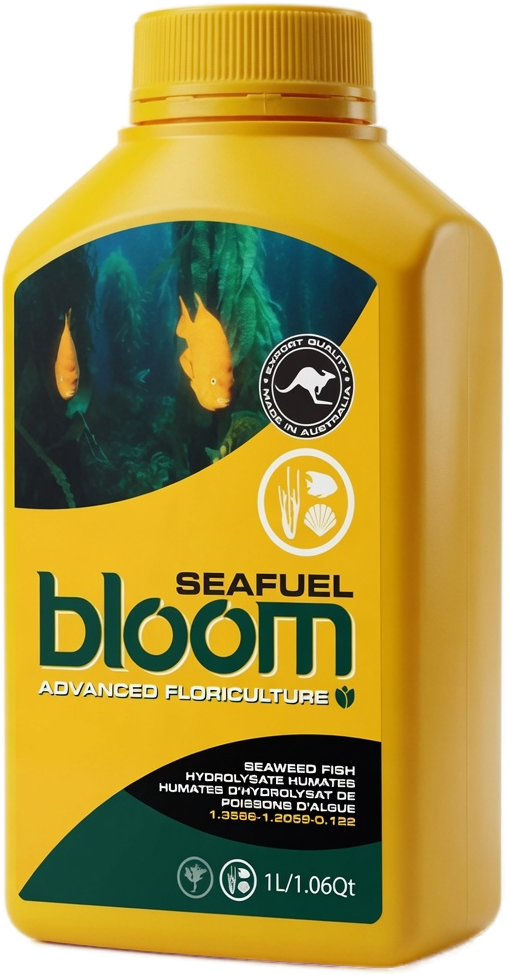
Bloom Seafuel bottle

We Looked for a Study Where Fish Fertilizer Failed. We Found One, and We’re Printing It.

Most product writing about biostimulants cites the studies where the input won. It’s worth being upfront about the studies where it didn’t, because the honest picture in the literature on fish-derived inputs is genuinely mixed — and a garden-variety understanding of what “mixed” actually means helps more than another highlight reel would. The study that

We Looked for a Study Where Fish Fertilizer Failed. We Found One, and We’re Printing It. Read More »

Bloom Seaweed bottle

Powder Beat Liquid in the Numbers — Here’s Why a Precision Collection Still Wants a Bottle

A 2026 meta-analysis of seaweed-extract biostimulants — 198 peer-reviewed studies, over 2,000 treatment-control comparisons — found that powder formulations outperformed liquid ones on average yield response: +22.6% for powder against +15.3% for liquid. For a specialty collector running terrariums, mounted epiphytes, or other small, precisely dosed setups, that number is worth sitting with honestly, because

Powder Beat Liquid in the Numbers — Here’s Why a Precision Collection Still Wants a Bottle Read More »

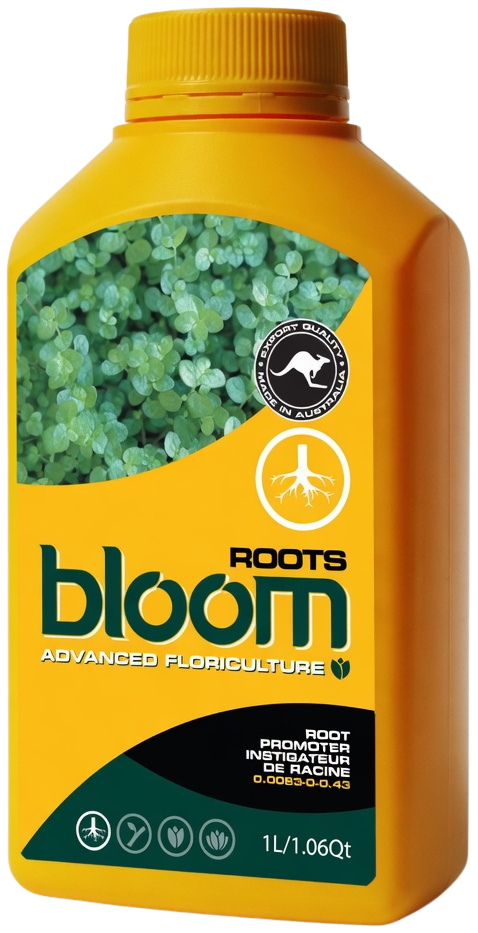
Bloom Roots bottle

The Rooting Compound With a Window, Not a Dial: What Salicylic Acid Actually Does to Roots

Willow bark’s reputation as a DIY rooting aid usually gets explained through salicylic acid — the same compound behind aspirin, and a real plant signaling molecule. What rarely makes it into the pitch is that salicylic acid’s effect on root formation isn’t a dial you can turn up for a stronger result. It’s a narrow

The Rooting Compound With a Window, Not a Dial: What Salicylic Acid Actually Does to Roots Read More »

Bloom Seafuel bottle

More Fish Hydrolysate Isn’t Better: What a Root-Drench Dose Curve Actually Showed

It’s a reasonable instinct in a hydro room: if a fish hydrolysate feed is helping root development, a stronger dose should help more. A 2024 root-drench trial on primrose tested that instinct directly, at three doses of an enzymatically processed anchovy by-product hydrolysate, and the answer it got back was not a straight line. The

More Fish Hydrolysate Isn’t Better: What a Root-Drench Dose Curve Actually Showed Read More »

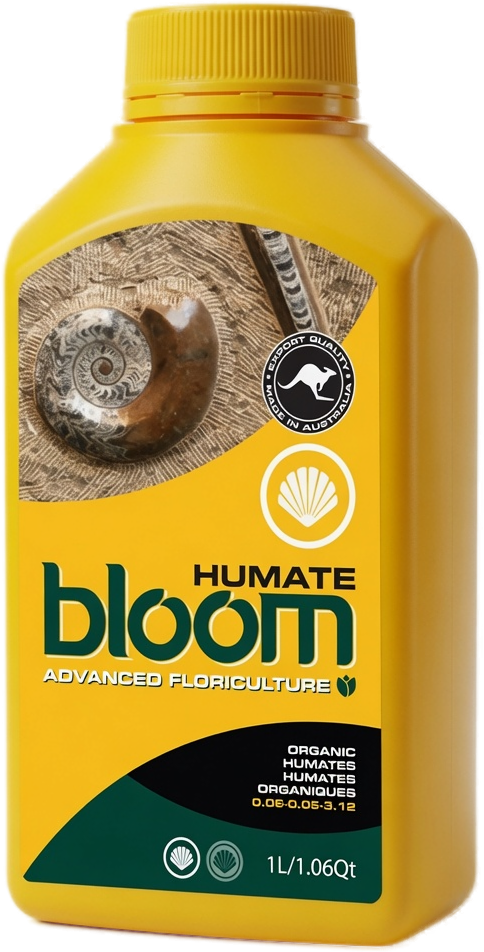
Bloom Humate bottle

Why the Potassium Source in Humate Matters More in a Pot That Never Gets Flushed

Why the Potassium Source in Humate Matters More in a Pot That Never Gets Flushed A hydroponic reservoir gets dumped and rebuilt on a schedule. A cut-flower production bed, grown in a soilless substrate across an entire crop cycle, doesn’t get that reset — irrigation leaches some of what accumulates, but a bag of substrate

Why the Potassium Source in Humate Matters More in a Pot That Never Gets Flushed Read More »

Bloom Seafuel bottle

The Fish-Protein Nitrogen Number You Can’t Audit

The Fish-Protein Nitrogen Number You Can’t Audit Nitrogen-use efficiency gets talked about a lot at field scale — matching rate to crop demand, timing splits to uptake curves, cutting the nitrogen that just leaches or volatilizes before it ever reaches a root. Almost all of that conversation assumes the nitrogen content printed on the input

The Fish-Protein Nitrogen Number You Can’t Audit Read More »

Bloom Roots bottle

Why You Can’t Isolate the “One Active Ingredient” in a Seaweed Extract

Why You Can’t Isolate the “One Active Ingredient” in a Seaweed Extract Specialty growers who keep a small, closely watched collection — bonsai, orchids, terrarium epiphytes — tend to think in ingredients. If a seaweed extract is doing something good for root development, the instinct is to ask which molecule in the bottle is responsible,

Why You Can’t Isolate the “One Active Ingredient” in a Seaweed Extract Read More »

Bloom Seaweed bottle

The Sea-Mineral Industry Can’t Agree on Whether Salt Is the Problem

Shop around for a sea-mineral garden product and you’ll run into two completely opposite philosophies, both sold with confidence. One camp strips the sodium chloride out before bottling. The other camp leaves it in on purpose — and argues that removing it is the real mistake. Neither side is lying. They’re just solving for different

The Sea-Mineral Industry Can’t Agree on Whether Salt Is the Problem Read More »

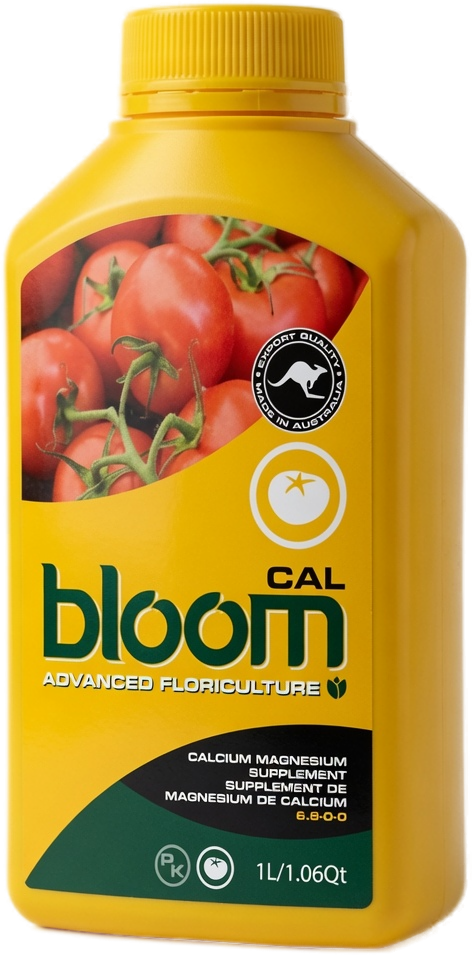
Bloom Cal bottle

Why Nobody Builds a Cal-Mag Product Out of Seawater

A greenhouse grower chasing calcium and magnesium for cut flowers sometimes lands on the idea that a mineral-rich ocean input — a sea mineral product, a home-brewed seawater tonic — ought to cover both. The ocean is, after all, full of calcium and magnesium. The ratio those two minerals actually arrive in, though, runs backwards

Why Nobody Builds a Cal-Mag Product Out of Seawater Read More »

New to Bloom? Your one-time 30% thank-you is waiting.One-time 30% for first-timersClaim my 30%