Australian made · 26 years · Organic inputs

Bloom Yellow Bottles

Bloom Yellow Bottles

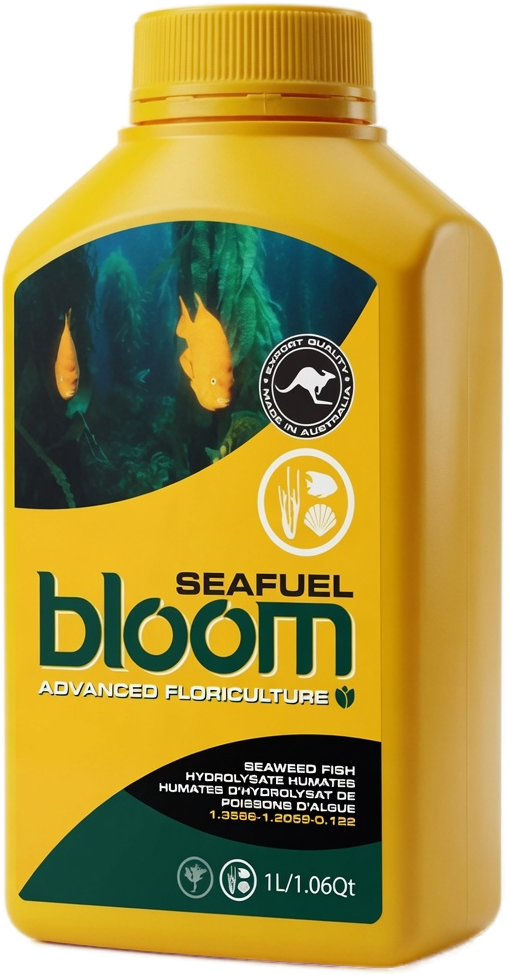
Bloom Seafuel bottle

The Word “Hydrolysate” Is Doing More Work Than You Think

Most growers skim right past the word “hydrolysate” on a fish-input label. It reads like packaging language. It isn’t — it’s naming a specific manufacturing choice, and that choice shows up later as a measurable difference in what actually reaches the plant. Two different ways to take a fish apart The USDA’s own technical evaluation

The Word “Hydrolysate” Is Doing More Work Than You Think Read More »

Bloom Seaweed bottle

Why Nobody Sells You Silicon by the Milliliter

Specialty growers — bonsai keepers, succulent collectors, anyone running a shelf of prized small pots — are exactly the audience most likely to get pitched a silicon supplement in a dropper bottle. It’s a reasonable-sounding idea: silicon helps plants resist stress and disease in the agronomy literature, so a few drops couldn’t hurt. The scale

Why Nobody Sells You Silicon by the Milliliter Read More »

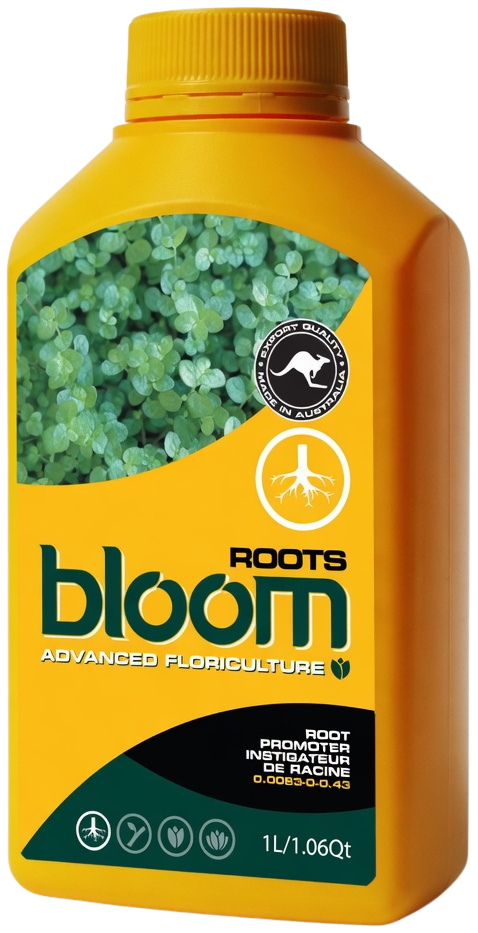
Bloom Roots bottle

Does Rubbing Aloe on a Cutting Actually Work? What the Small Trials Show

Slice open a leaf, scrape out the gel, rub it on a cutting — it’s one of the most-repeated rooting tricks in home gardening, passed along as settled fact. The honest answer is more modest: a couple of small trials hint that aloe might help some cuttings root, and a closer look at what’s actually

Does Rubbing Aloe on a Cutting Actually Work? What the Small Trials Show Read More »

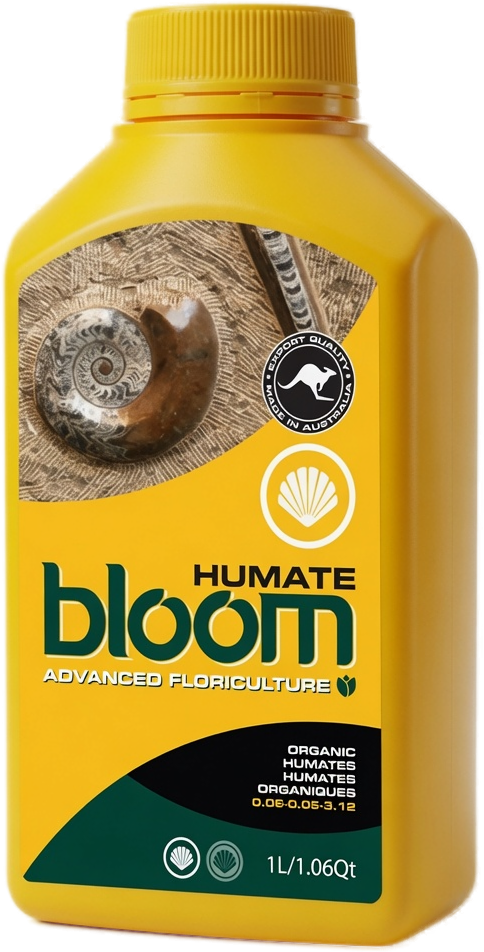
Bloom Humate bottle

Before a Humic Amendment Goes on Broadacre Ground This Fall, Know Which Alkali Extracted It

Fall is when a lot of humic-acid amendment goes on broadacre ground ahead of next season’s planting — it’s a cheap, well-worn move for feeding soil biology and holding onto nutrients before winter. What rarely gets asked is a simple question with a real answer: which alkali pulled that humic acid out of the raw

Before a Humic Amendment Goes on Broadacre Ground This Fall, Know Which Alkali Extracted It Read More »

Bloom Seaweed bottle

A 70-Year-Old Patent Still Shapes How Some Growers Think About “Sea Solids” at Field Scale — Here’s What the Rate Actually Means

A surprising amount of broadacre “remineralization” thinking traces back to one source: a 1960s-era US patent for applying dried sea solids as a soil fertilizer, built on claims about dramatically healthier crops and longer-lasting soil fertility. It still circulates in input-efficiency and regenerative-ag circles today. Run the actual recommended rate through the math, and it

A 70-Year-Old Patent Still Shapes How Some Growers Think About “Sea Solids” at Field Scale — Here’s What the Rate Actually Means Read More »

Bloom Seaweed bottle

“Seaweed Extract” Isn’t One Thing: What a 144-Fold Spread Across Commercial Products Means for Your Tank

“Seaweed extract” gets printed on a lot of bottles as if it’s a single, consistent category — something with a known composition you can reason about in the abstract. The actual research on commercial seaweed products says otherwise, and the spread between them is bigger than most growers would guess. What a side-by-side comparison actually

“Seaweed Extract” Isn’t One Thing: What a 144-Fold Spread Across Commercial Products Means for Your Tank Read More »

Bloom Seafuel bottle

A Home Fish Ferment Smells Done Long Before It’s Actually Safe — Why pH Is the Only Test That Counts in a Small Reservoir

Passive and semi-hydro growers running small, enclosed reservoirs — LECA, wick systems, anything without a big, diluting volume behind it — are exactly the audience most likely to try brewing their own fish-based input at home. It’s a reasonable instinct: fish amino acid ferments are cheap and the raw material is often free. The part

A Home Fish Ferment Smells Done Long Before It’s Actually Safe — Why pH Is the Only Test That Counts in a Small Reservoir Read More »

Bloom Roots bottle

What the Small Trials on Rooting Aids Actually Show — and Why a Cut-Flower Bench Needs More Than a Headline Number

Every propagation season, some version of the same claim does the rounds on grower forums: a splash of fresh aloe gel in the dip water, and your strike rate jumps. The claim usually points at one trial or another to back it up. Worth actually reading those trials before a cutting bench gets built around

What the Small Trials on Rooting Aids Actually Show — and Why a Cut-Flower Bench Needs More Than a Headline Number Read More »

New to Bloom? Your one-time 30% thank-you is waiting.One-time 30% for first-timersClaim my 30%